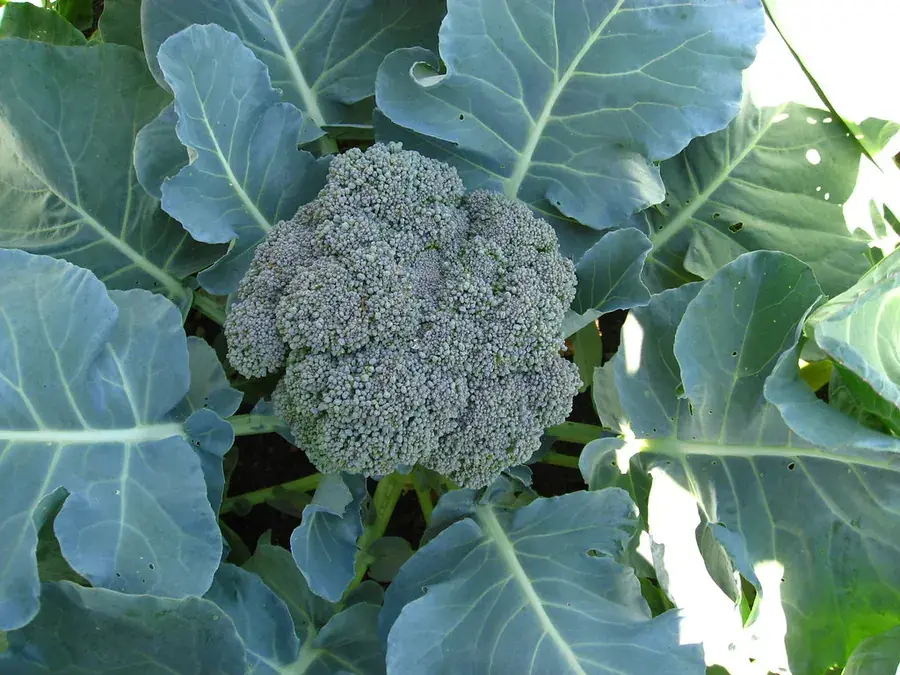
Broccoli
Brassica oleracea
One big head, then weeks of side shoots — if you cut it before the buds turn yellow.
- Ready when
- A head that is tight and dark green with the individual buds the size of a match head, still closed. Size depends on variety and weather — 10 to 20 cm across in a home garden. When the buds swell and begin to loosen, or you see one yellow petal, cut it that day; broccoli goes from ready to flowering in two or three warm days.
- How to pick
- Cut the main stem on a slant 12–15 cm (5–6 in) below the head with a sharp knife, in the cool of the morning. Leave the plant: within two weeks it throws side shoots from the leaf joints, smaller heads you can pick for a month or more. Soak heads for 30 minutes in salted water (4 teaspoons salt to 4 litres) before cooking or freezing to float out cabbage worms.
- On a frost night
- Leave it for anything down to −4 °C: broccoli grows on through the first frosts and the fall crop is the best of the year. Heads start to take damage somewhere around −5 to −6 °C — buds turn brown and soft — so if that is forecast, cut any head that is close to ready and throw a row cover over the rest. The plants themselves survive worse and keep producing side shoots until a hard freeze.
Where it keeps
Storing broccoli
| Where | Temperature | Humidity | Keeps | How |
|---|---|---|---|---|
| Fridge crisper | 0–4 °C32–39 °F | high | 1–2 weeks | Unwashed, in a perforated bag or loosely wrapped. Wash and salt-soak just before use. Heads yellow and go limp fast in a warm fridge. |
| Cold room | 0–1 °C32–34 °F | high | Up to 2 weeks | Stems in a shallow pan of water, heads covered loosely with a damp cloth. Away from apples and ripening fruit. |
Putting it up
What to do with too many broccoli
Broccoli is a freezer crop and nothing else. Cut into florets no more than 4 cm across, split the stalks, salt-soak if worms are about, water-blanch 3 minutes (or steam 5), cool in ice water, drain well and freeze on a tray before bagging. It comes out fit for stir-fries, soups and casseroles. The peeled stalks are worth freezing too. There is no tested recipe for canning plain broccoli — pressure canning ruins the texture and the smell — and drying it gives a product nobody wants. Pickled broccoli stems appear in some tested mixed-vegetable pickle recipes; follow those exactly rather than swapping broccoli into a cucumber recipe.
The fastest route and the one that keeps flavour best.
Saving seed
Most garden varieties are hybrids
Most broccoli sold to gardeners is an F1 hybrid (the packet will say so), and its saved seed grows into a muddle of loose, uneven plants. Seed is worth saving only from an open-pollinated variety — ‘De Cicco’, ‘Calabrese’ and ‘Waltham 29’ are the common ones. Broccoli is unusual in the family in that it flowers the same year if you let a head bolt, so it needs no overwintering: leave the best three to five heads from at least five plants to open into yellow flowers, keep every other Brassica oleracea (cabbage, kale, cauliflower, Brussels sprouts, kohlrabi) from flowering within 250 m (800 ft), and let the pods dry on the plant. Rub the brittle pods out between your hands and winnow. In zones 3–5 the pods often have not ripened before a hard freeze, which is the real obstacle.
Keeps: 3–5 years.
The seed-saving guide →Next year
Planning broccoli for next season
Rotate: no cabbage-family crop in that bed for three or four years. Broccoli wants rich, moist soil, steady nitrogen and full sun, and it hates heat — heads sown to mature in July are small and bolt; heads sown to mature in September and October are the big ones. Space 30–45 cm (12–18 in) apart; closer gives smaller heads but more side shoots. Start indoors 6–7 weeks before the last frost and transplant two weeks before it under a row cover for the moth. Sow the fall crop in early July and transplant in late July. In zones 3–4 the fall crop is the reliable one; pick a variety of 60 days or less.
Broccoli at a glance
- Botanical name
- Brassica oleracea
- Group
- Cabbages and kin
- Picked
- July, August, September, October
- Frost
- Hardy: takes −4 to −6 °c and often sweetens.
- Best put up as
- freezing
- Seed
- Most garden varieties are hybrids
Questions people ask about broccoli
When do I harvest broccoli?
When the head is tight, dark green and the buds are still closed and no bigger than match heads — before anything turns yellow. Once it is ready it will not wait: a couple of warm days and the buds open into flowers and the head goes bitter and loose. Cut in the morning, 12–15 cm down the stem, and leave the plant for side shoots.
Will broccoli keep producing after I cut the head?
Yes. Side shoots form at the leaf joints within two weeks of cutting the main head and keep coming for a month or more, especially on the fall crop and in cool weather. They are small — the size of a toddler’s fist — but they add up to more than the main head over a season. Keep the plants watered and fed.
Can you freeze broccoli?
Yes, blanched. Cut florets no more than 4 cm across, soak 30 minutes in salted water to bring out worms, water-blanch 3 minutes (steam 5), chill in ice water, drain, and freeze on a tray before bagging. Frozen broccoli is for cooking; it will not come back crunchy for dipping. Do not freeze it raw — it goes yellow and sulphurous.
Is broccoli frost hardy?
Yes, to about −4 °C, and the fall crop improves after a light frost. Heads begin to suffer around −5 to −6 °C — brown, soft buds — so cut what is near ready before a night like that and cover the rest. The plants survive harder cold and go on making side shoots into November in zones 5–6.
Can I save broccoli seed?
Only from an open-pollinated variety; most garden broccoli is an F1 hybrid that will not come true. Let a few heads flower and set pods the same season, keep other cabbage-family plants from flowering within 250 m, and dry the pods on the plant. In short-season gardens the pods often do not ripen in time. Seed keeps 3–5 years.
There are green worms in my broccoli — is it safe?
Yes. They are cabbage worms (the caterpillar of the white butterfly) and they are harmless; the trouble is purely that nobody wants one on the plate. Soak heads upside down in salted water (4 teaspoons salt to 4 litres) for 30 minutes and they float out. A row cover over the plants from transplanting stops the butterfly laying in the first place — a good job for kids to help pin down.
Your own frost dates
When does this come in where you are?
Enter a town, postal code or ZIP and the garden year, the frost watch and this week’s guide are built from your own weather.
Also in cabbages and kin
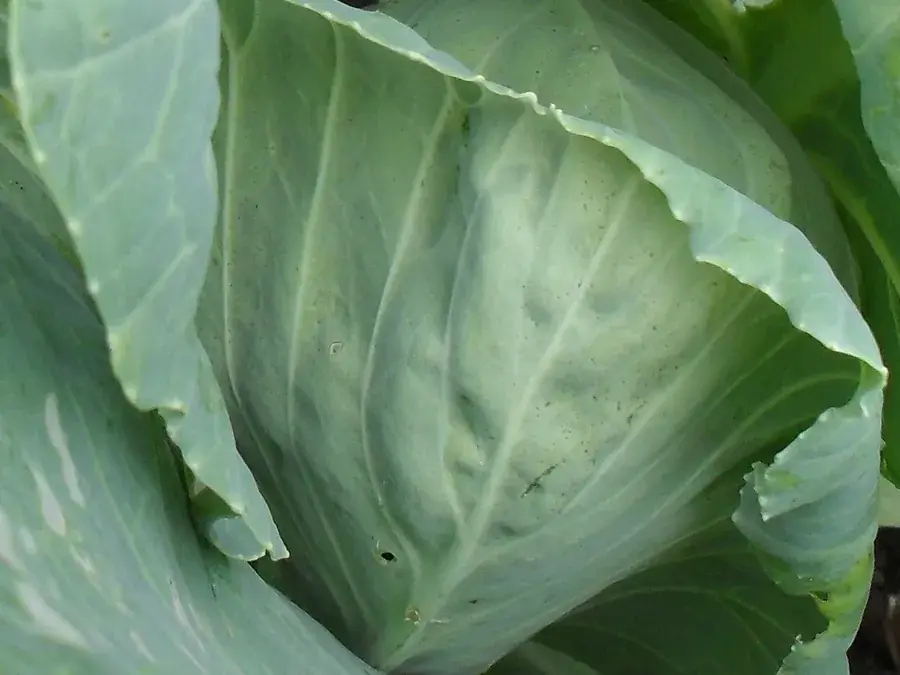 HardyCabbages and kinPicked Jul–Nov
Cabbage
The head that keeps all winter in a cold room — and turns into sauerkraut when it will not.
Cold storage · Fermenting · FreezingPick, store, put up →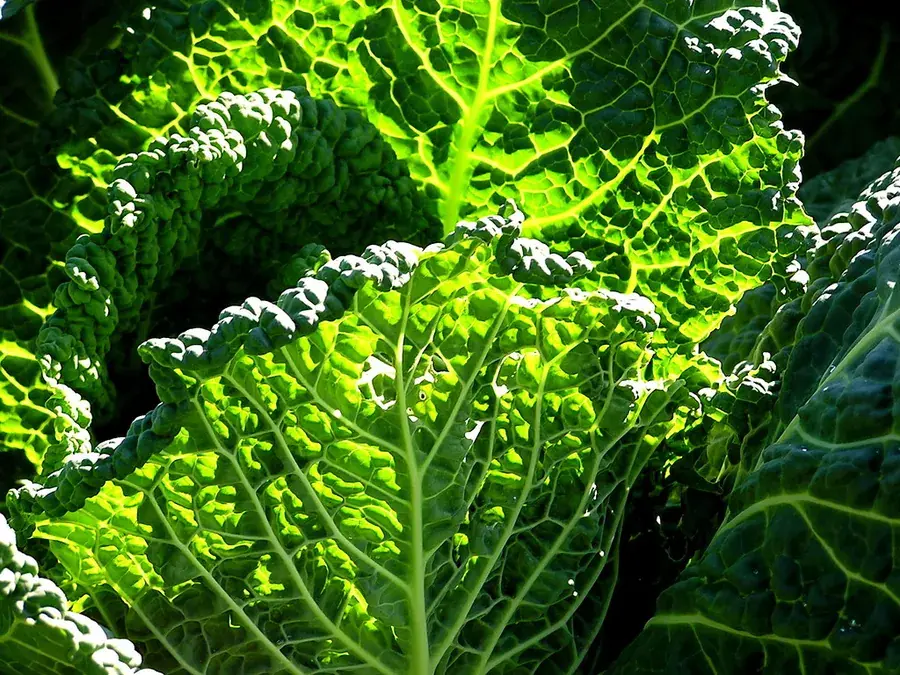 Very hardyCabbages and kinPicked Jun–Dec
Kale
The last green standing — sweeter after frost and still pickable from under the snow.
Freezing · Drying · Cold storagePick, store, put up →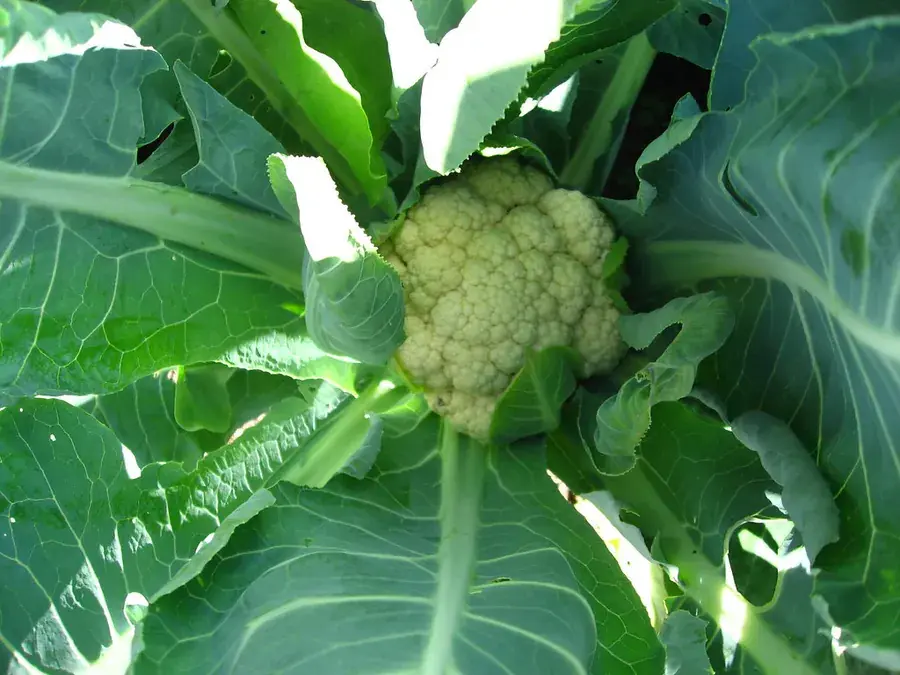 Half-hardyCabbages and kinPicked Jul–Oct
Cauliflower
The fussiest brassica: tie the leaves over the head, cut it while it is tight, and freeze what you cannot eat.
Freezing · PicklingPick, store, put up →
Checked against these sources ·
- NCHFP: Freezing broccoli
- Penn State Extension: Preserving broccoli and cauliflower
- University of Minnesota Extension: Growing broccoli
- Utah State University Extension: Brassica harvest and handling
- University of Maryland Extension: Growing broccoli in the home garden
Harvest months are typical for zones 4–6 and move by weeks north and south. Storage figures are for the ideal; a house without a cold room will get the shorter end of each range.