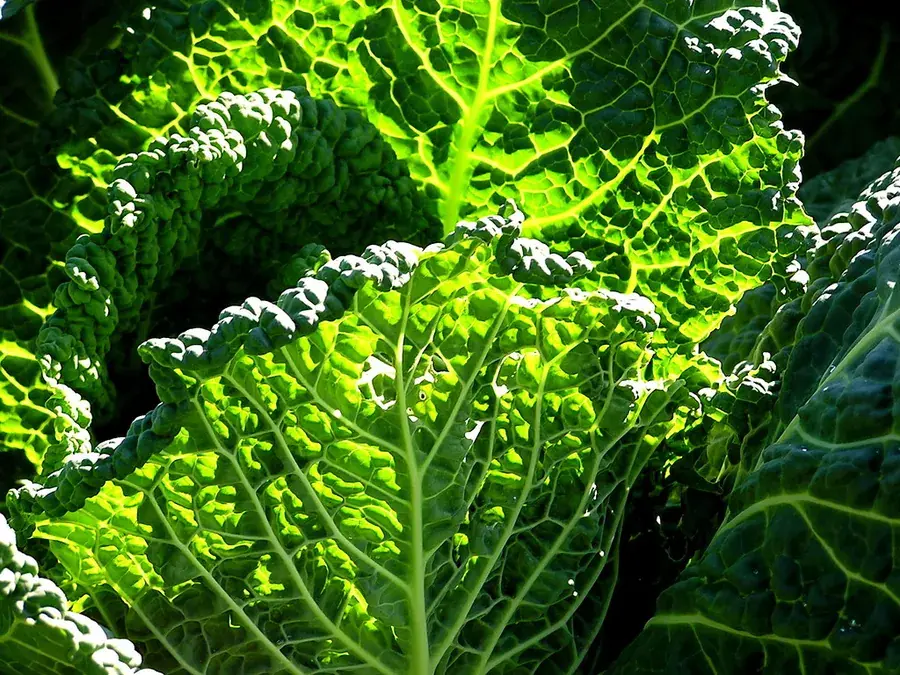
Kale
Brassica oleracea
The last green standing — sweeter after frost and still pickable from under the snow.
- Ready when
- Any leaf as long as your hand. Pick the lower, older leaves first and leave the growing tip and at least four young leaves at the top so the plant keeps producing. Leaves are at their best after the first frosts in October; the small ones in the crown are the tenderest at any time.
- How to pick
- Snap or cut each leaf stalk off close to the main stem, working from the bottom up. Never cut the top. One picking of ten plants fills a basket, and the plants will be ready again in a week. In winter, pick on a day above freezing, or let frozen leaves thaw on the plant before you touch them — frozen kale shatters.
- On a frost night
- Leave it, and look forward to it. Frost turns kale’s starch to sugar, and the plants stand to −10 °C without protection; under a blanket of snow they go lower still and you can dig them out to pick in December. Young seedlings are tougher than they look (about −4 °C). What ends kale is not one cold night but weeks of −15 °C bare wind with no snow — a row cover or a few evergreen boughs over the plants carries them through that.
Where it keeps
Storing kale
| Where | Temperature | Humidity | Keeps | How |
|---|---|---|---|---|
| In the garden | -10–10 °C14–50 °F | high | Until deep winter, longer under snow or a row cover | Leave the plants standing and pick what you need. Mulch the base with straw once the ground freezes. |
| Fridge crisper | 0–4 °C32–39 °F | high | 1–2 weeks | Unwashed, in a perforated bag. Wash just before use. |
| Cold room | 0–2 °C32–36 °F | high | 2–3 weeks | Loose in an open bag or crate, misted; it wilts fast in dry air. |
Putting it up
What to do with too many kale
Kale’s best preserve is the plant itself, left in the ground and picked through November and December. For what you cannot eat fresh, blanch stripped leaves 2 minutes, squeeze out the water, and freeze in flat packs or pucks for soup and smoothies — unblanched kale goes bitter and grey within weeks. Dried kale chips — leaves rubbed with a little oil and salt and baked at 110 °C (225 °F) for 40–60 minutes, or in a dehydrator until they shatter — are the one dried green children ask for, but they go limp in days unless jarred airtight. There is a tested pressure-canning recipe for greens (70 minutes for 500 ml jars at 10 lb), but the result is grey and soft and few people do it twice; freezing is better in every way.
The fastest route and the one that keeps flavour best.
A dehydrator or a low oven; light, keeps for a year.
The oldest method: the right cold, the right damp, and darkness.
Saving seed
A biennial — flowers in its second year
Kale is a biennial and the easiest of the cabbage family to get seed from, because in zones 5 and up the plants usually live through winter in the ground (mulch the crowns; snow cover helps) and bolt to yellow flowers in May. In colder gardens dig a few plants in November, pot them, and hold them at 1–4 °C in a cold room or garage, then replant in April. It crosses with every other Brassica oleracea — cabbage, broccoli, Brussels sprouts, cauliflower, collards, kohlrabi — so only one of them may flower within 250 m (800 ft). Save from at least five plants, ideally twenty. Cut whole seed stalks when most of the pods are tan and brittle, dry them on a sheet for two weeks, then rub the pods between your hands and winnow in a breeze.
Keeps: 4–5 years.
The seed-saving guide →Next year
Planning kale for next season
Rotate with the rest of the cabbage family: not where any brassica grew in the last three years. Kale is undemanding — any decent soil, full sun or light shade, steady water, and a handful of compost. Space 30 cm (12 in) apart in rows 60 cm apart. Direct sow 2–4 weeks before the last frost, or start indoors 6–8 weeks before and transplant 3–4 weeks before the frost date. The crop that matters is the fall one: sow again in early July for plants that are full-sized when the frosts come. In zones 3–4 that July sowing is the main sowing. A row cover from day one keeps off the cabbage moth and flea beetles.
Kale at a glance
- Botanical name
- Brassica oleracea
- Group
- Cabbages and kin
- Picked
- June, July, August, September, October, November, December
- Frost
- Very hardy: takes −8 °c and below; overwinters.
- Best put up as
- freezing, drying, cold storage
- Seed
- A biennial — flowers in its second year
Questions people ask about kale
Is kale frost hardy?
Very. Kale stands to −10 °C with no cover and keeps going under snow; frost actually improves it, converting starch to sugar so the leaves taste sweeter in November than in August. What kills it is prolonged bare cold around −15 °C with drying wind, so in zones 3–4 throw a row cover or evergreen boughs over the row once the snow is unreliable.
When should I harvest kale?
From June onwards, whenever a lower leaf is hand-sized, and best of all from October after the first frosts. Pick from the bottom up and always leave the top cluster of young leaves; a plant picked that way produces from June to December. Winter leaves should be picked thawed, not frozen.
Can you freeze kale?
Yes, blanched. Strip the leaves from the ribs, water-blanch 2 minutes, plunge into ice water, squeeze out the water hard, and freeze in flattened bags or as pucks in a muffin tin. Frozen kale is for cooking and smoothies — it will not come back crisp. Skip the blanching and it turns grey and bitter in a month.
How do I make kale chips that last?
Dry leaves, a teaspoon of oil rubbed in, a pinch of salt, single layer, 110 °C (225 °F) for 40–60 minutes until they lift off the tray and shatter — or a dehydrator at 50–55 °C for a few hours. Cool completely and seal in a jar with a tight lid; in the open air they are limp by morning.
Can I save kale seed?
Yes, and it is the easiest brassica to do it with, because the plants usually survive winter in the ground in zone 5 and warmer, then flower in May. Save from at least five plants and remember it crosses with cabbage, broccoli, Brussels sprouts and cauliflower, so nothing else in the family can be flowering within 250 m. The seed keeps 4–5 years.
Can kids pick kale?
It is one of the best jobs for them: the leaves snap off with a downward tug and nothing is sharp. Teach them to take the big bottom leaves and leave the little ones at the top, and in winter to wait until the leaves have thawed in the sun. Baking kale chips is a four-year-old’s recipe from start to finish.
Your own frost dates
When does this come in where you are?
Enter a town, postal code or ZIP and the garden year, the frost watch and this week’s guide are built from your own weather.
Also in cabbages and kin
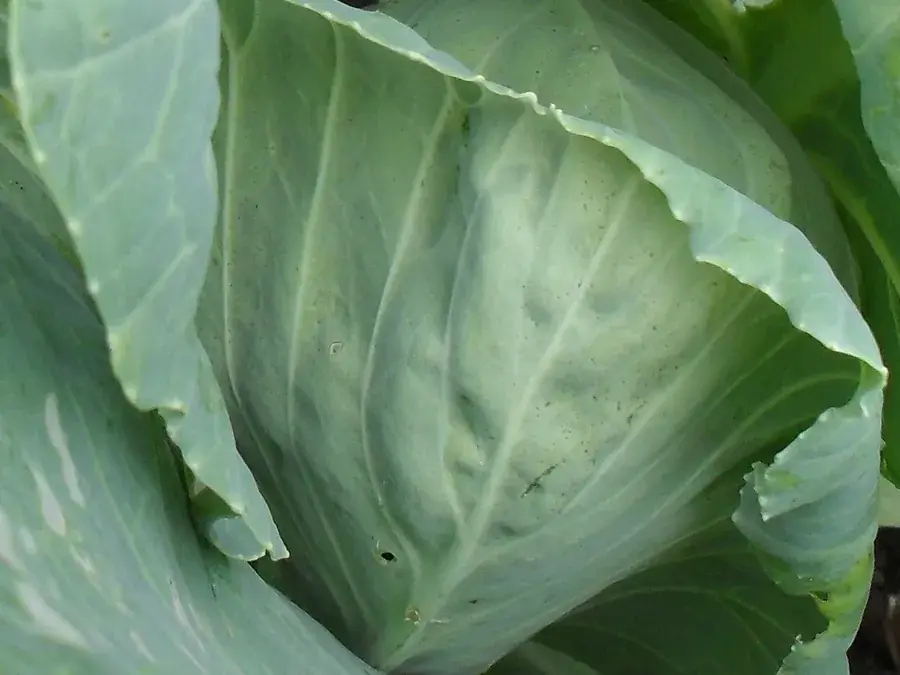 HardyCabbages and kinPicked Jul–Nov
Cabbage
The head that keeps all winter in a cold room — and turns into sauerkraut when it will not.
Cold storage · Fermenting · FreezingPick, store, put up →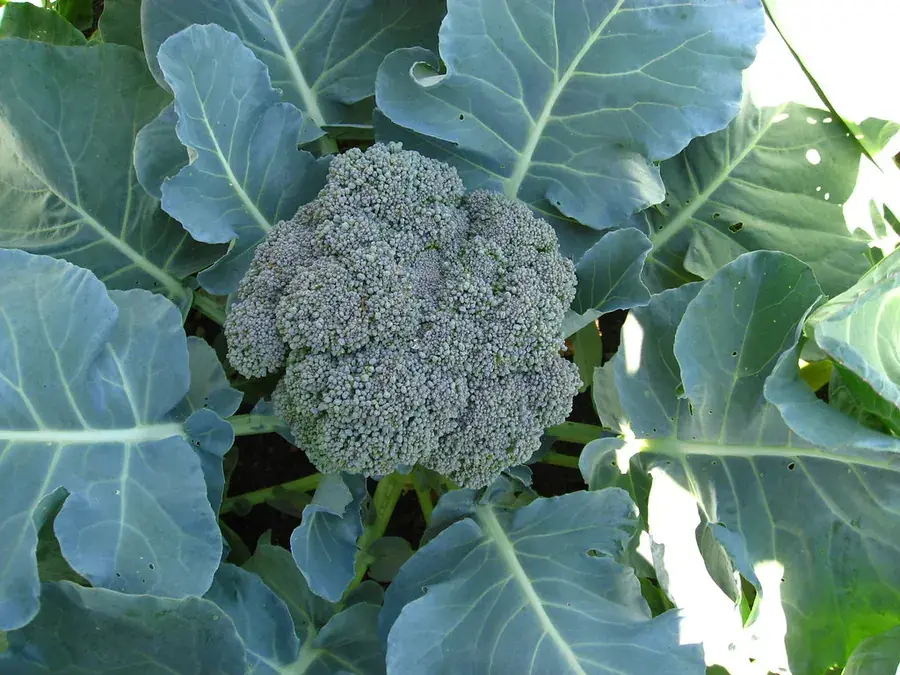 HardyCabbages and kinPicked Jul–Oct
Broccoli
One big head, then weeks of side shoots — if you cut it before the buds turn yellow.
FreezingPick, store, put up →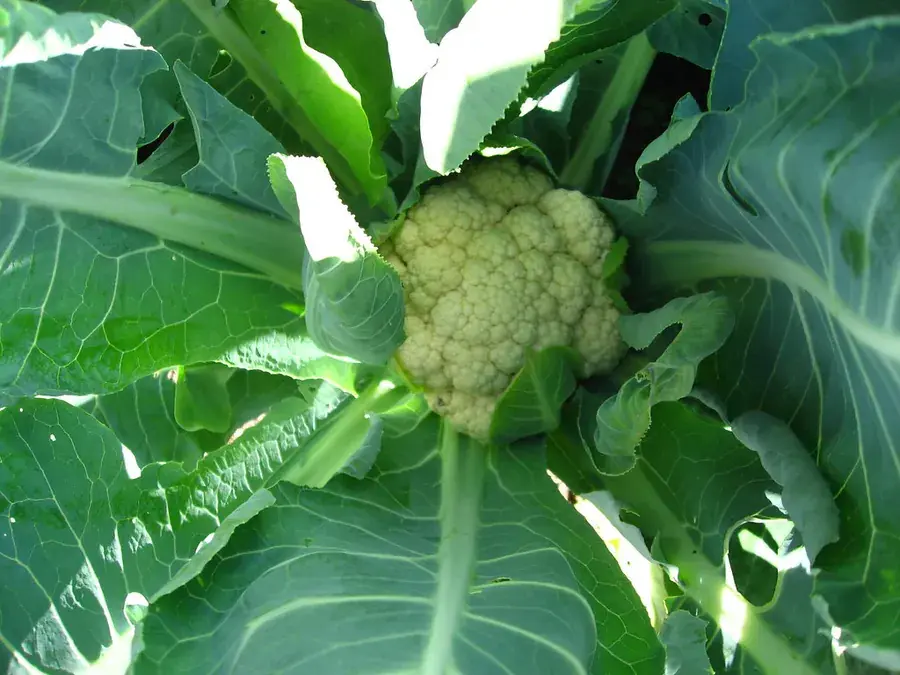 Half-hardyCabbages and kinPicked Jul–Oct
Cauliflower
The fussiest brassica: tie the leaves over the head, cut it while it is tight, and freeze what you cannot eat.
Freezing · PicklingPick, store, put up →
Checked against these sources ·
- NCHFP: Freezing greens, including spinach
- NCHFP: Canning spinach and other greens
- Utah State University Extension: Kale in the garden
- Clemson HGIC: Kale is a headless cabbage
- Montana State University Extension: Kale chips
Harvest months are typical for zones 4–6 and move by weeks north and south. Storage figures are for the ideal; a house without a cold room will get the shorter end of each range.