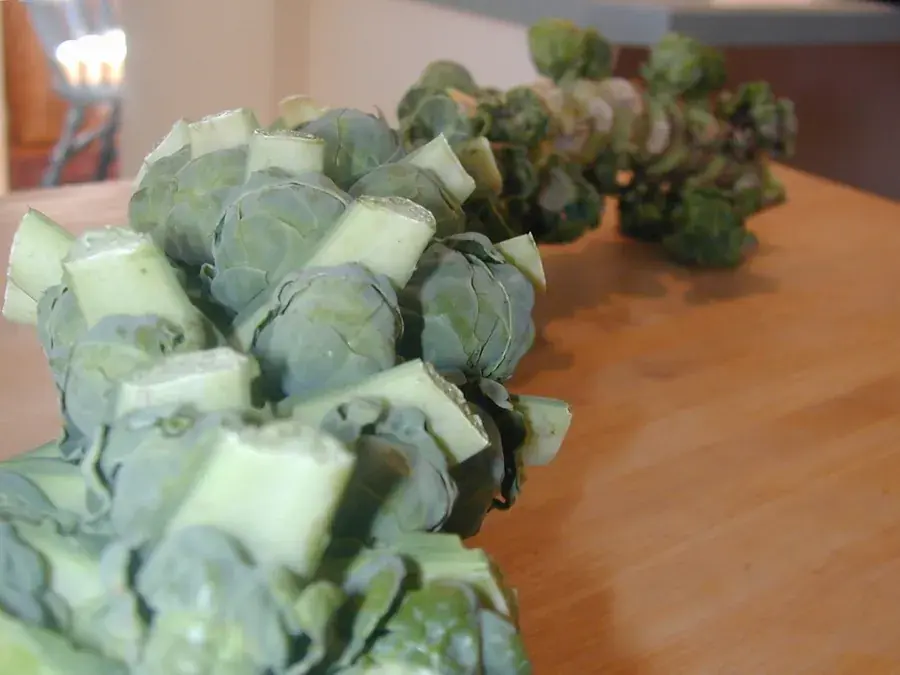
Brussels sprouts
Brassica oleracea
Not worth picking until it has frozen a few times — then the sweetest thing left standing in November.
- Ready when
- Firm, tight sprouts 2.5–4 cm (1–1½ in) across, the lowest ones first; they ripen from the bottom of the stalk upward over six weeks or more. Squeeze one: ready is hard like a walnut, past it is soft and the outer leaves are flaring open and yellowing. Taste improves markedly after the first few frosts, so the real season in most of Canada starts in October.
- How to pick
- Snap off the leaf below a sprout, then twist the sprout off downward, working up the stalk a few rounds at a time and leaving the smaller ones above to size up. To bring the whole stalk on at once, ‘top’ the plant — pinch out the growing tip — in early September, when the bottom sprouts are 1–2 cm across and about a month before you want the main harvest; the plant stops making new leaves and fattens what it has. Topped stalks can be cut whole at soil level once cold weather settles in.
- On a frost night
- Leave them — this is the crop frost is for. Sprouts are bland before the first frosts and sweet after several; the plants stand −7 °C (20 °F) without any damage and come through brief −10 °C nights, with the outer leaves of the sprouts taking the hit and peeling off clean. Pick on a day above freezing, or let frozen sprouts thaw on the stalk — a frozen sprout snapped off goes mushy. Before a long spell of −12 °C and below with no snow, cut the whole stalks and bring them into the cold room.
Where it keeps
Storing brussels sprouts
| Where | Temperature | Humidity | Keeps | How |
|---|---|---|---|---|
| On the plant in the garden | -10–10 °C14–50 °F | high | Into December in zones 4–6 | Leave the stalk standing and pick upward as you need them; snow is a good insulator. |
| Cold room or unheated garage, whole stalk | 0–4 °C32–39 °F | high | 3–6 weeks | Cut stalks at ground level, strip the leaves, stand them upright in a bucket with a little water or hang them. Pick sprouts off as needed. |
| Fridge crisper, picked | 0–4 °C32–39 °F | high | Up to 2 weeks (best within a few days) | Unwashed, untrimmed, in a perforated bag. They go strong-smelling and yellow as they age. |
Putting it up
What to do with too many brussels sprouts
A stalk of sprouts in a cold garage is its own preserve for a month or more, and a plant left in the garden under snow is better still. For the freezer, trim and wash, sort by size, and blanch 3 minutes for small sprouts, 4 for medium and 5 for large, then chill, drain and bag; frozen sprouts are for roasting and braising, not steaming whole. The tested NCHFP ‘Pickled cauliflower or Brussels sprouts’ recipe (small sprouts boiled 4 minutes in salted water, then packed in a 5 % vinegar brine with sugar and spices and water-bath processed 10 minutes) is the only way to can them: there is no tested recipe for plain canned sprouts, and raw-frozen or dried sprouts are bitter and grey.
The oldest method: the right cold, the right damp, and darkness.
The fastest route and the one that keeps flavour best.
Vinegar does the preserving; the canner just seals the jar.
Saving seed
A biennial — flowers in its second year
Brussels sprouts are biennial, cross with every other Brassica oleracea, and are the hardest of the family to get seed from in a cold climate, because the plant has to live through winter and flower the next June. In zones 6–7 a mulched plant sometimes manages it in the ground; elsewhere dig the best five or more plants in November, pot them, hold them at 1–4 °C in a cold room, and replant in April. Keep cabbage, kale, broccoli, cauliflower and kohlrabi from flowering within 250 m (800 ft). Cut the branches when most pods are tan, dry them on a sheet, and rub out the seed. Many good varieties are F1 hybrids in any case — check the packet — so this is a project for a seed-saver with space and a cold room, not a first-year job.
Keeps: 4–5 years.
The seed-saving guide →Next year
Planning brussels sprouts for next season
Rotate: no cabbage-family crop in that bed for three or four years. Sprouts need the longest season of any brassica — 90 to 110 days from transplant plus a cold autumn — and firm, rich, limed soil with steady water; loose soil and drought give loose, bitter sprouts. Space 45–60 cm (18–24 in) apart and stake tall varieties. Start indoors 4–6 weeks before the last frost (mid-April to early May in most of southern Canada) and transplant around the last frost date under a row cover; do not plant them late, as you might broccoli. Top the plants in early September. In zones 3–4 choose a variety under 100 days and start it indoors in early April.
Brussels sprouts at a glance
- Botanical name
- Brassica oleracea
- Group
- Cabbages and kin
- Picked
- September, October, November, December
- Frost
- Very hardy: takes −8 °c and below; overwinters.
- Best put up as
- cold storage, freezing, pickling
- Seed
- A biennial — flowers in its second year
Questions people ask about brussels sprouts
When should I harvest Brussels sprouts?
After the first few frosts, from the bottom of the stalk up, when the sprouts are firm and 2.5–4 cm across. Frost converts starch to sugar and takes away the bitterness, so in most of southern Canada the season runs from October into December. Snap off the leaf under a sprout, then twist the sprout off downward, and leave the small ones above to grow.
Should I cut the top off my Brussels sprout plant?
Yes, if you want the whole stalk to finish together. Pinch out the growing tip in early September, when the lowest sprouts are 1–2 cm across and about a month before the main harvest: the plant stops making leaves and puts everything into sizing up the sprouts already there. If you would rather pick a few at a time into December, leave the top on.
How cold can Brussels sprouts take?
A lot. Plants are undamaged at −7 °C (20 °F) and come through short −10 °C nights, with snow helping rather than hurting; the outer sprout leaves may brown and peel off. Pick when thawed, not frozen. Before a long stretch below −12 °C with bare ground, cut the stalks and stand them in a cold garage, where they keep for weeks.
How do I store Brussels sprouts?
On the stalk. Cut whole stalks at ground level, strip the leaves and stand them in a bucket in a cold room or unheated garage at 0–4 °C, picking sprouts as you need them for three to six weeks. Picked sprouts keep up to two weeks in a bag in the fridge crisper, but they are at their best in the first few days.
Can you freeze Brussels sprouts?
Yes, blanched by size: 3 minutes for small, 4 for medium, 5 for large, then into ice water, drained and bagged. Frozen sprouts are soft when thawed, so halve and roast or braise them rather than steaming. Raw-frozen sprouts turn bitter and grey.
What can kids do with Brussels sprouts?
Picking is perfect for them: the sprouts twist off with a downward snap, the stalk is sturdy, and they can see the row of little cabbages. Have them taste one raw before the frost and one after — the difference is the best lesson in the garden about why we wait. A whole stalk carried into the house is a trophy.
Your own frost dates
When does this come in where you are?
Enter a town, postal code or ZIP and the garden year, the frost watch and this week’s guide are built from your own weather.
Also in cabbages and kin
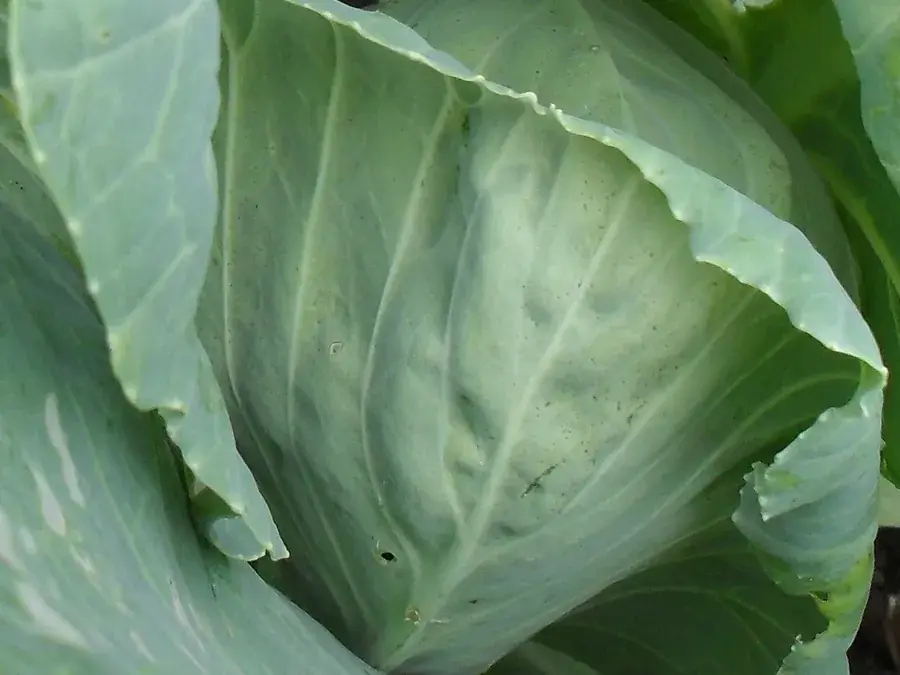 HardyCabbages and kinPicked Jul–Nov
Cabbage
The head that keeps all winter in a cold room — and turns into sauerkraut when it will not.
Cold storage · Fermenting · FreezingPick, store, put up →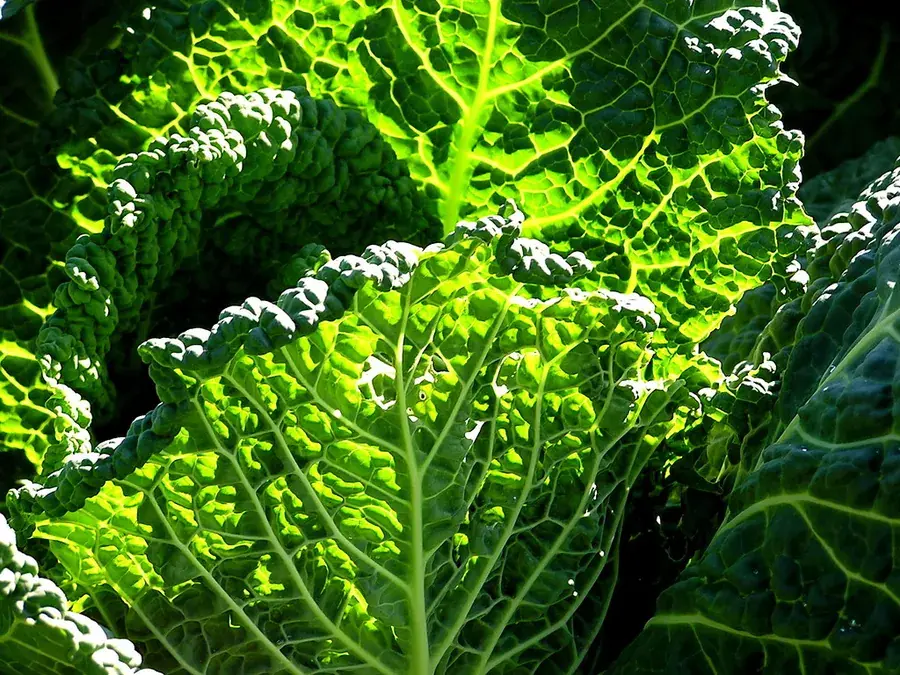 Very hardyCabbages and kinPicked Jun–Dec
Kale
The last green standing — sweeter after frost and still pickable from under the snow.
Freezing · Drying · Cold storagePick, store, put up →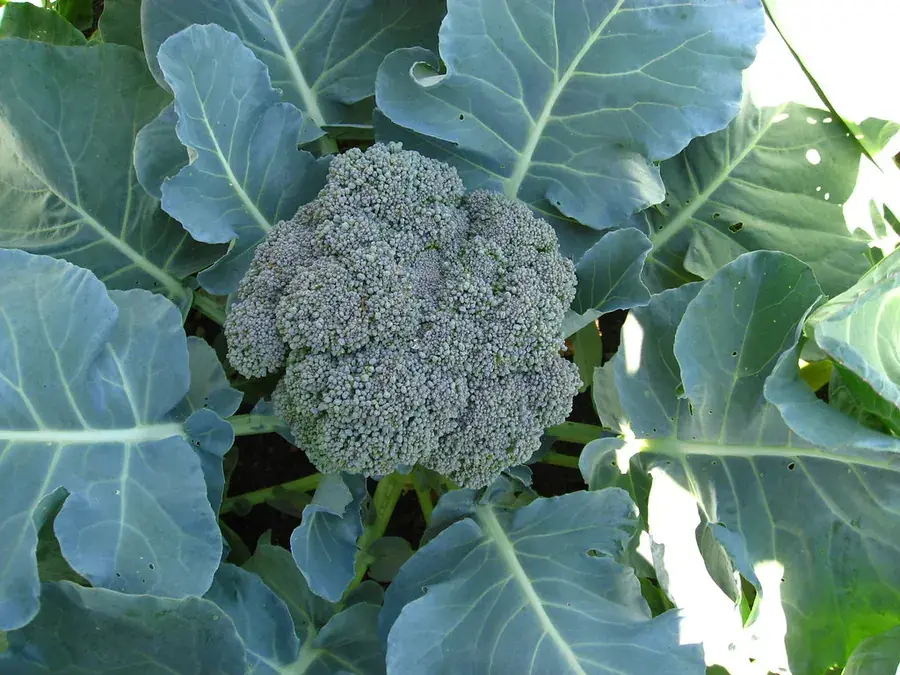 HardyCabbages and kinPicked Jul–Oct
Broccoli
One big head, then weeks of side shoots — if you cut it before the buds turn yellow.
FreezingPick, store, put up →
Checked against these sources ·
- NCHFP: Freezing Brussels sprouts
- NCHFP: Pickled cauliflower or Brussels sprouts
- University of Minnesota Extension: Growing Brussels sprouts
- University of Maryland Extension: Growing Brussels sprouts in a home garden
- Utah State University Extension: Brassica harvest and handling
Harvest months are typical for zones 4–6 and move by weeks north and south. Storage figures are for the ideal; a house without a cold room will get the shorter end of each range.