Dried cherry and paste tomatoes
Halved cherry tomatoes dried to chewy, sweet-sour coins — the concentrated taste of the whole summer in a jar. Kept dry, not in oil.
Makes
About 70–150 g of dried tomatoes from 2 kg of fresh cherry or paste tomatoes
Active time
30 minutes
Total
6–12 hours in a dehydrator, plus 4–10 days of conditioning
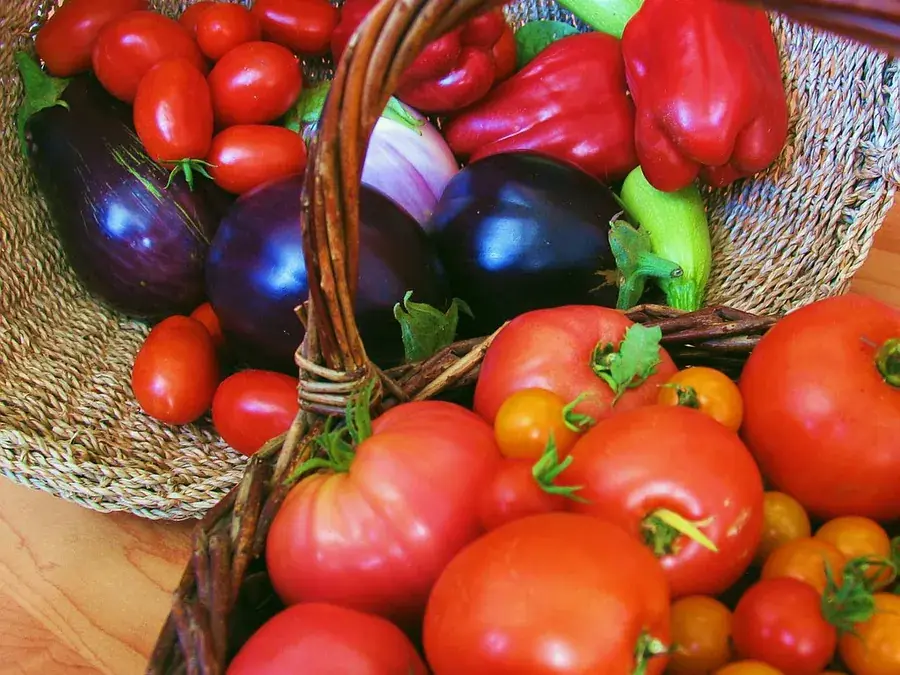
Photo naturalflow on Flickr · CC BY-SA 2.0
Before you start
What matters for this one
- Do not store dried tomatoes under oil at room temperature. Oil seals the air out and a low-acid tomato with a little moisture left in it is exactly what Clostridium botulinum needs; store-bought ones are acidified in a factory. If you make an oil-packed jar at home, it lives in the fridge and is eaten within 4 days, or goes in the freezer.
- Dry to brittle and condition for 4–10 days before sealing a jar for the cupboard. Pieces that are still pliable belong in the fridge or freezer.
- Peeling is a texture choice, not a safety step; the 30-second blanch is just to loosen skins.
- Any musty smell, soft spots or mould in the jar: discard the lot.
This follows Colorado State University Extension, PreserveSmart: Drying tomatoes. Quantities, acid and times are theirs; do not scale the vegetables without scaling everything, and do not change the vinegar, lemon juice or processing time.
Ingredients
- Ripe cherry tomatoes or paste tomatoes (Roma, San Marzano, Amish Paste) — meaty, low-juice kinds dry fastest and best
- Optional: a light sprinkle of salt, or dried oregano or basil, on the cut sides
Method
- 1
Wash and dry the tomatoes. Halve cherry tomatoes; slice paste tomatoes 0.5–1 cm (¼–⅜ inch) thick or into quarters lengthwise. Peeling is optional — if you want skinless pieces, dip whole tomatoes 30 seconds in boiling water, then into ice water, and slip the skins first. Colorado State also suggests an optional 3–5 minute dip in 1 teaspoon citric acid per litre of water as an antimicrobial step. A child can halve cherry tomatoes with a table knife.
- 2
Scoop the wettest seed gel out of large slices with a fingertip; it only slows the drying. Lay the pieces cut side up in a single layer on the dehydrator trays, and salt or herb the surfaces lightly if you like.
- 3
Dry at 60 °C (140 °F) for 6–12 hours — cherry halves toward the short end, thick slices toward the long. In an oven on its lowest setting with the door cracked, expect up to twice as long. Rotate the trays once.
- 4
Test a cooled piece. For a shelf-stable jar, dry until crisp and brittle; for a chewy snack texture, stop at leathery and keep those in the fridge or freezer.
- 5
Cool completely, then condition: pack loosely in a sealed jar for 4–10 days, shaking daily. If moisture fogs the glass, return them to the dehydrator.
- 6
Pack into airtight jars or freezer bags, label, and store in a cool dark cupboard, the fridge or the freezer. Rehydrate in hot water or broth for 20–30 minutes before using, or grind the crisp ones into tomato powder for soups.
Keeps: Crisp-dried and conditioned: 6–12 months in a cool dark cupboard, longer in the freezer. Leathery ones: a few weeks in the fridge, a year in the freezer. Oil-packed: 4 days in the fridge.
Variations: Whole dried cherry tomatoes blitzed with dried basil and salt make a seasoning powder for popcorn. To use them like oil-packed, cover a few days’ worth with olive oil, garlic and herbs in a small jar and keep it in the fridge for 4 days at most.
Tested source: Colorado State University Extension, PreserveSmart: Drying tomatoes. Checked October 2026. If a jar did not seal, refrigerate it and use it within a few days. Never taste anything from a jar that is bulging, leaking, spurting or smells wrong — when in doubt, throw it out without tasting.
The crop
Tomatoes: when to pick, how to store, what else to make →
Tomatoes are the home canner’s classic, but they sit right on the acidity line: every tested canned-tomato recipe adds bottled lemon juice or citric acid to each jar, and that is not optional whether you water-bath or pressure can. Whole tomatoes freeze well with no blanching — the skins slip off under the tap as they thaw — which is the fastest way to deal with a glut on a weeknight. Cherry and paste tomatoes dry beautifully. What does not work is a sauce you have thickened with flour or loaded with extra peppers, onions and oil to taste: the added low-acid vegetables change the safety of the recipe, so follow a tested salsa or sauce recipe exactly. Green tomatoes are more acidic than ripe ones and can be canned by the same recipes, with the same added acid.
More for tomatoes
- Water-bath canning
Crushed tomatoes, water-bath canned
The plainest, most useful jar in the pantry: tomatoes and nothing else, ready for any sauce in February.
About 7 × 1 L (quart) jars from 10 kg (22 lb) of tomatoes; 6.4 kg (14 lb) fills 9 × 500 ml (pint) jars · 1½ hours active
The recipe → - Water-bath canning
Whole or halved tomatoes in juice, water-bath canned
Whole peeled tomatoes under their own juice — the jar you open for a winter stew when you want pieces, not purée.
7 × 1 L (quart) jars from 9.5 kg (21 lb) of tomatoes, plus extra tomatoes for the juice; 5.9 kg (13 lb) fills 9 × 500 ml (pint) jars · 1½ hours active
The recipe → - Water-bath canning
Plain tomato sauce, water-bath canned
Unseasoned tomato sauce boiled down from juice — thin for soups, thick for pasta — with every flavour decision left for the day you open it.
About 7 × 1 L (quart) jars of thin sauce from 16 kg (35 lb) of tomatoes, or of thick sauce from 21 kg (46 lb); for 9 × 500 ml (pint) jars use 9.5 kg (21 lb) thin or 12.7 kg (28 lb) thick · 2 hours active
The recipe →