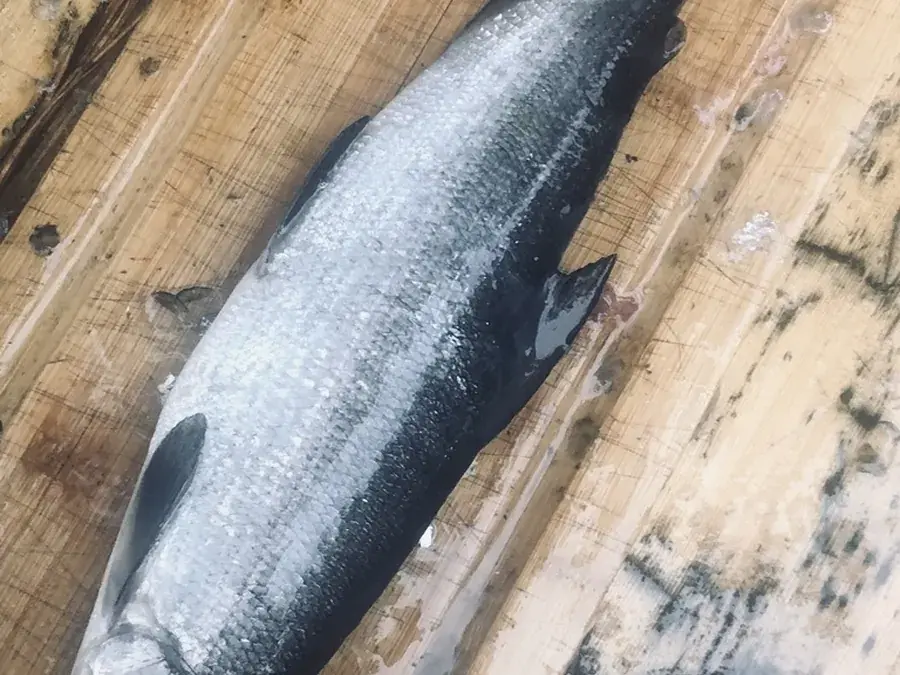
Photo by Vladislav Isaev on iNaturalist · CC BY 4.0
European whitefish
Coregonus lavaretus
- When
- Jan–Sep — January, February, March, April, May, June, July, August, September. Earlier where the water warms first.
- Where it holds
- Deep, cold, clean lakes — the Alpine lakes, Scandinavia, and the lake country of northern Germany and Poland — and the brackish Baltic coasts.
- How to know it
- Silver and herring-like, with a small head, a short snout over a small mouth, big scales, an adipose fin and a deeply forked tail.
- What to know
- A plankton feeder that is caught on tiny nymphs. Alpine anglers fish strings of them deep in the lakes for Felchen; smoked whitefish is superb.
- The tactic
- A string of tiny nymphs jigged slowly at the depth the shoal is feeding; small jigs and flies through the ice in the north.
- Caution
- Many lakes close in autumn and early winter for spawning. In Britain the powan, schelly and gwyniad are rare relics and legally protected — they may not be fished.
Seasons, size limits and catch limits change every year and differ by water body. Check the current regulations for the country and the water before you fish.
European whitefish facts
- Also called
- Common whitefish; lavaret in French, féra or palée in western Switzerland, Felchen or Renke in southern Germany and Austria, Maräne in northern Germany, sik in Swedish and Norwegian, siika in Finnish; powan, schelly and gwyniad in Scotland, England and Wales.
- Family
- Salmonidae — the whitefish branch of the salmon family.
- Native range
- Taken broadly, as most anglers and many biologists do (the 'Coregonus lavaretus complex'), it ranges from Britain and the Alps across northern and central Europe to Siberia, including the Baltic. In the narrow sense, some authorities restrict the name to Lake Bourget and Lac d'Aiguebelette in France (it formerly lived in Lake Geneva too) and treat other populations as separate species.
- Introduced to
- Stocked widely within Europe, and introduced to Iran.
- Habitat
- Cold, deep, clean lakes, where shoals follow the zooplankton up and down; also brackish Baltic coasts and estuaries, where some forms run up rivers to spawn.
- Water temperature
- Cold water; FishBase gives about 4–16°C (39–61°F).
- Size
- Most adults 25–50 cm (10–20 in); the largest measured about 73 cm (29 in).
- Record
- The IGFA lists it as powan: 5.39 kg (11 lb 14 oz), Allan Englund, Skräbeån at Nymölla, Sweden, December 1994.
- Lifespan
- Varies widely between lakes and forms; no single figure fits the whole complex.
- What it eats
- Mostly zooplankton or bottom invertebrates, and larger crustaceans in brackish water. Bigger fish also take insects from the surface and eat fish fry.
- Spawning
- In autumn and early winter (September to December, depending on the water), on gravel in shallow water near shore, at night. Different populations in the same lake may spawn at different times, and some run up rivers to spawn.
- Young fish
- Within single lakes whitefish split into look-alike forms — plankton-eaters and bottom-feeders, with different numbers of gill rakers — that have evolved again and again since the Ice Age.
- Teeth and mouth
- Small, with a slightly overhanging upper jaw under a short, tapered snout.
- Look-alikes
- Vendace: smaller, with a jutting lower jaw. Peled (introduced): jaws of equal length. Grayling: a huge dorsal fin. North America's lake whitefish is a separate but very similar species.
- Eating
- Excellent — mild, white and flaky; smoked whitefish and fried Felchen are staples of the lake country in the Alps and Scandinavia.
- Status
- In the narrow sense (Lake Bourget and Aiguebelette), IUCN Vulnerable. More broadly, many populations are common and fished, but Britain's powan, schelly and gwyniad are rare relics and legally protected.
Try it
How big does a european whitefish get?
Slide it from an ordinary adult to the biggest one ever measured, next to things you know the size of.
Most adults you'll catch: 25–50 cm (10–20 in).
This european whitefish: 38 cm. Longer than a loaf of bread, shorter than a four-year-old.
The record
The IGFA lists it as powan: 5.39 kg (11 lb 14 oz), Allan Englund, Skräbeån at Nymölla, Sweden, December 1994.
Questions people ask about european whitefish
Is European whitefish the same as lake whitefish?
No. Lake whitefish (Coregonus clupeaformis) is the North American species; the European whitefish (Coregonus lavaretus) lives in Europe and Siberia. They look and behave much alike and fill the same place in cold, deep lakes.
Can you fish for powan or schelly in Britain?
No. Britain's few whitefish lakes — Loch Lomond and Loch Eck for powan, a handful of Lake District lakes for schelly, and Bala Lake (Llyn Tegid) for gwyniad — hold rare relic populations that are legally protected.
How do you catch whitefish?
With tiny nymphs, usually several on one line, jigged slowly at the depth the shoal is feeding on plankton — the classic method on the Alpine lakes. In Scandinavia they are also taken through the ice on small jigs and flies.
Why are there so many names for European whitefish?
Because whitefish vary so much from lake to lake that biologists still argue over how many species there are. Many lakes have their own local form and local name — lavaret, féra, Felchen, Renke, sik, powan — and some authorities treat each as a separate species.
Found in these regions
Checked against these sources ·
- FishBase — Coregonus lavaretus
- IGFA world records — Powan
- Wikipedia — Coregonus lavaretus
- JNCC — Habitats Directive Article 17 report (2019): Coregonus lavaretus in Scotland
Sizes, records and ranges are for the species as a whole; local fish, and local rules, vary. Records change — the record-keeper named above has the current one.
Is it active near you?
Get this week's guide for your area
Enter a town, postal code or ZIP and we'll tell you what's happening right there this week — from your local climate, this week's weather and your ecological region.
Also active in October
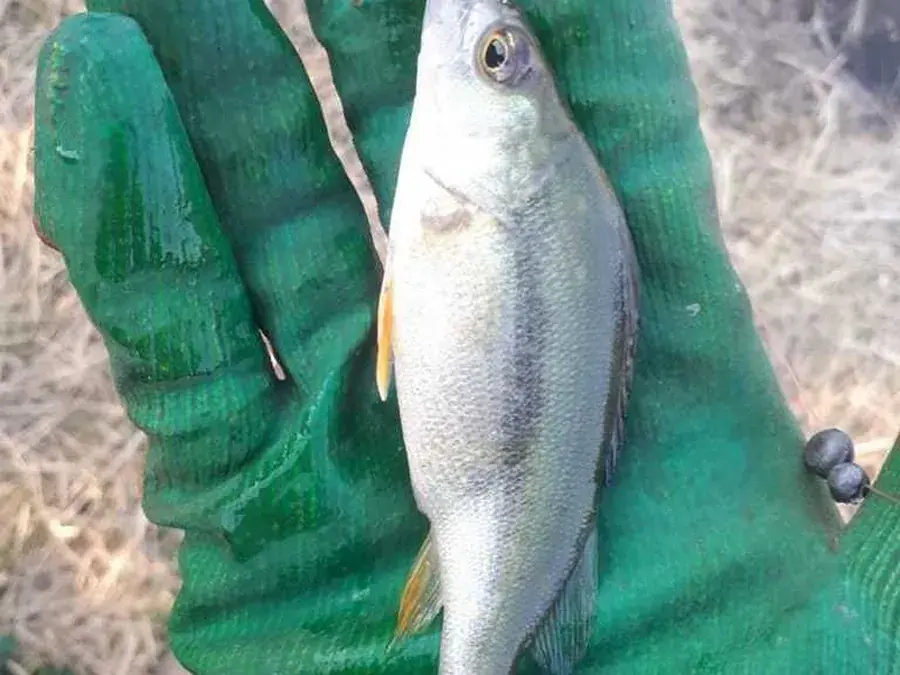 FishJun–Mar
European perch
Perca fluviatilis
Five to eight dark bars on a greenish flank, bright red-orange lower fins, and a spiny first dorsal fin with a black blotch at the back.
Where and how to catch it →Photo: Дауд Арсанукаев · CC BY 4.0
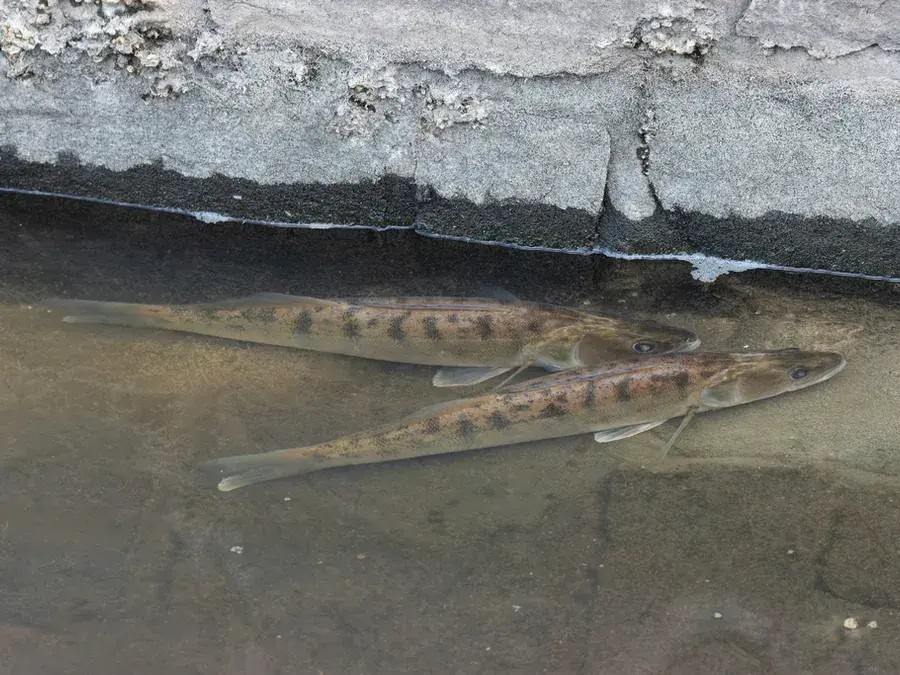 FishJun–Mar
Zander
Sander lucioperca
Slim and glassy-eyed, with grey-brown saddles, rows of black spots on the spiny dorsal fin, and long fang-like canine teeth.
Where and how to catch it →Photo: Tomas Broucek · CC BY 4.0
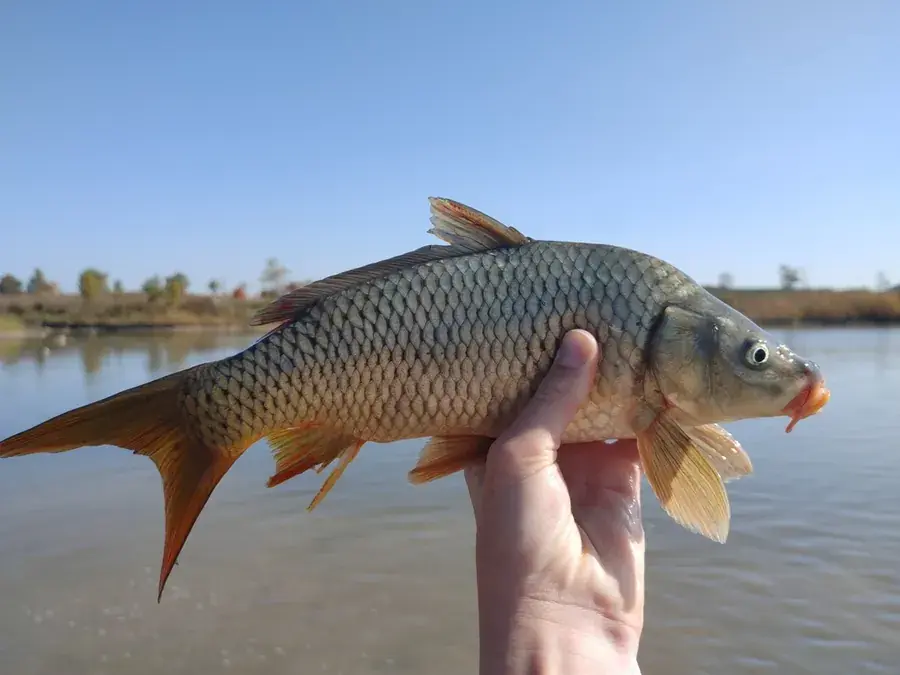 FishApr–Oct
Common carp
Cyprinus carpio
Big bronze scales (or the scattered big scales of a mirror carp), a long dorsal fin, and two pairs of barbels at a rubbery, tube-like mouth.
Where and how to catch it →