Gardening in Laramie
Wyoming · Western Mountains & Interior Plateaus · hardiness zone 4b
Now
23°C · Clear
Today
25° / 13°
Soil 6 cm
18°C
First frost
~14 days (Sep 28)
Peak photosynthesis and peak water loss. Beds dry fast and transplants sulk.
In the garden now · September
Who else is working the garden
The insects and soil life out near Laramie, Wyoming in September. Most of them are on your side — learn the few that aren't before you reach for anything.
 PollinatorMar–Oct
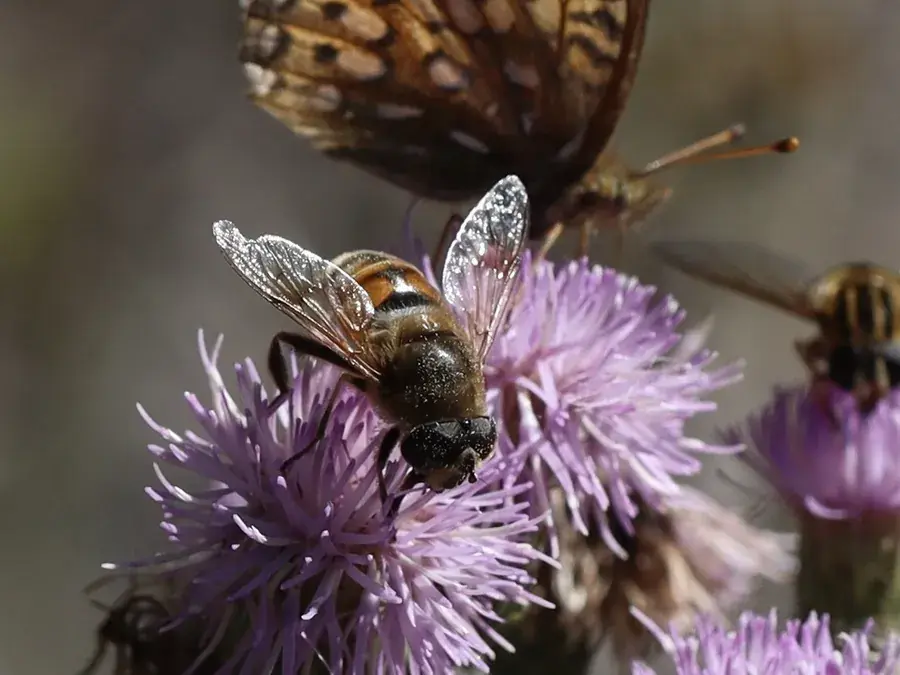
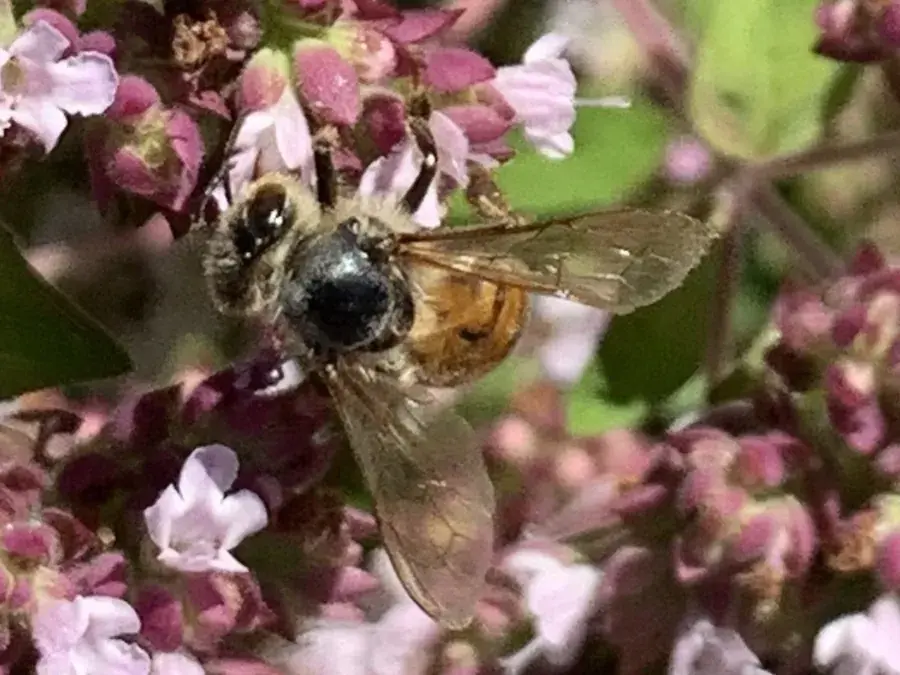
Honey bee
Apis mellifera
Golden-brown, banded, furry thorax, and pollen packed onto the hind legs in visible baskets.
What it does in the garden →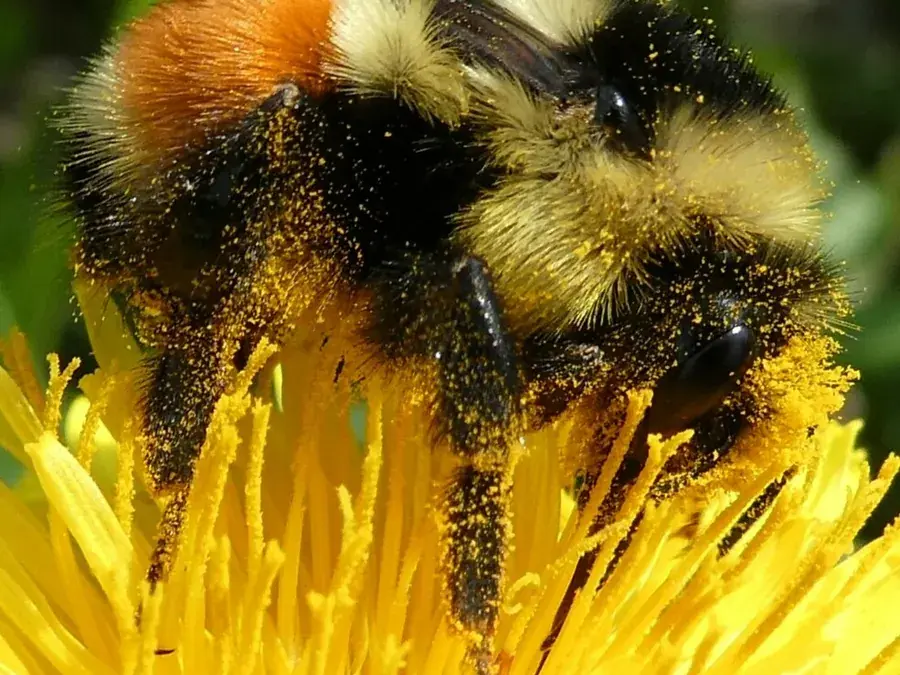 PollinatorMar–Oct
Bumble bees
Bombus spp.
Big, round and very furry, in black with yellow, orange or white bands.
Writing your field guide — reading the forecast, the moon and the map…
Overhead · Laramie, Wyoming
The sky over the garden
The two clocks nothing on the ground can argue with: the length of the day, and the phase of the moon.
The sun
12h 29m of light
Sunrise
06:42
Solar noon
12:57
Sunset
19:12
A month from now the day will be 1h 21m shorter. Enough light for steady growth.
Right now · Laramie, Wyoming
Forces at work
Nothing here is a guess. Each of these is read from this week's forecast and this location's climate record, and each one is pushing the season one way or the other.
- Worth watching
Frost
14 days
Average first fall frost is around Sep 28. Nothing you sow now will finish unless it beats that.
The hard edge of the growing season. Ice inside a leaf ruptures its cells — one night ends a tomato and sweetens a parsnip.
- Working for you
Soil warmth
18.5 °C
Warm enough for beans, corn, squash, cucumber and transplanted tomato and pepper. Roots run hard at this temperature.
Seeds read soil temperature, not the calendar. Six centimetres down is where the decision gets made.
The gardening note for Laramie, every week
One email, Sunday evening. Unsubscribe anytime.