Gardening in Sherbrooke
Quebec · Great Lakes & St. Lawrence Lowlands · hardiness zone 5a
Now
11°C · Clear
Today
18° / 9°
Soil 6 cm
16°C
First frost
~27 days (Oct 11)
Peak photosynthesis and peak water loss. Beds dry fast and transplants sulk.
- Green lacewingbest now — Adults fly at dusk and through the night; the larvae hunt around the clock and do the real work.
- Ground beetlebest now — Running the soil surface after dark, taking slugs, cutworms and larvae. One of the best predators a garden has.
In the garden now · September
Who else is working the garden
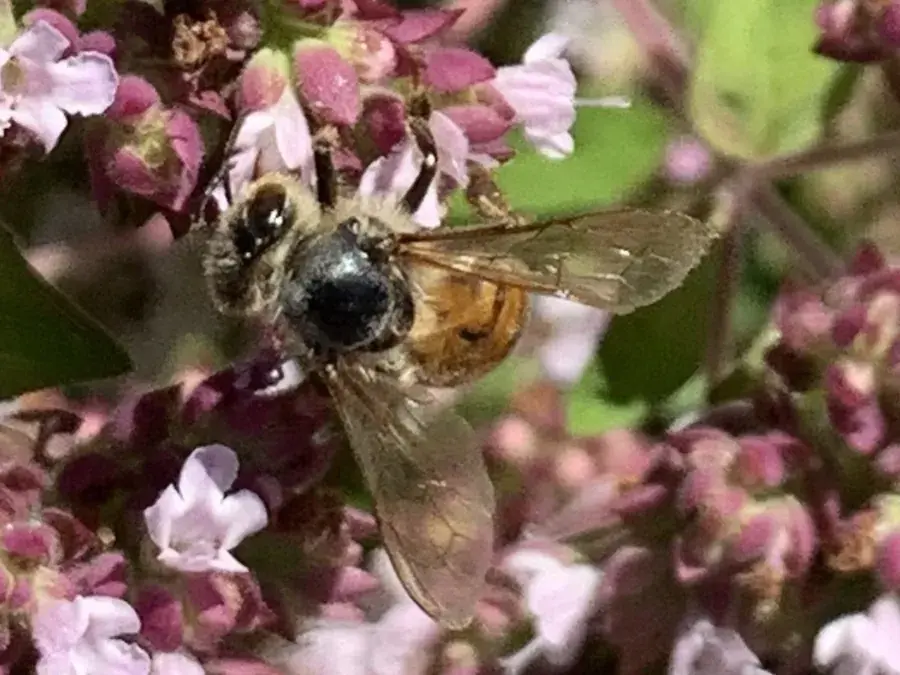
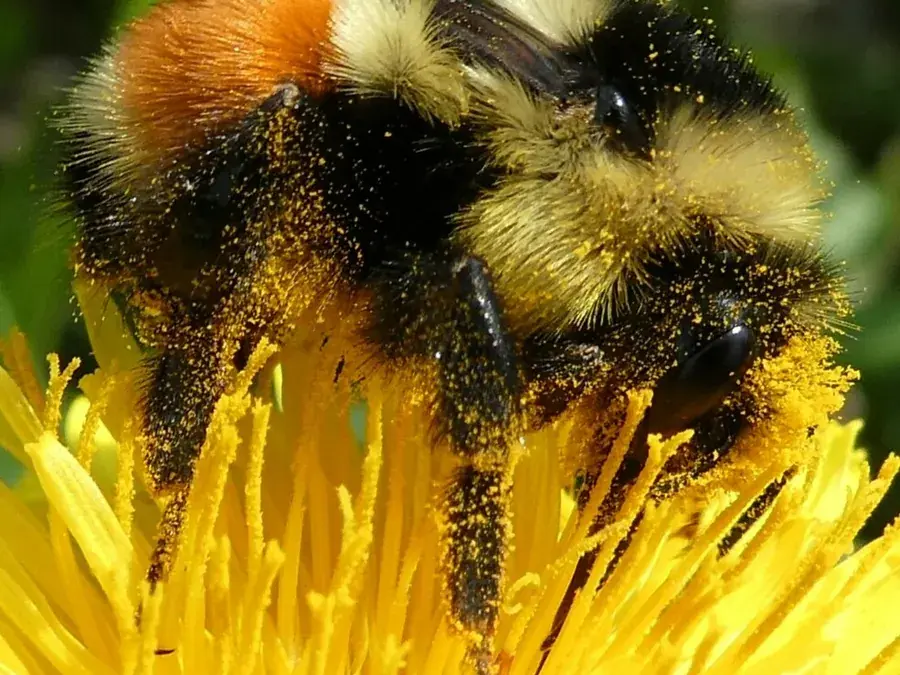
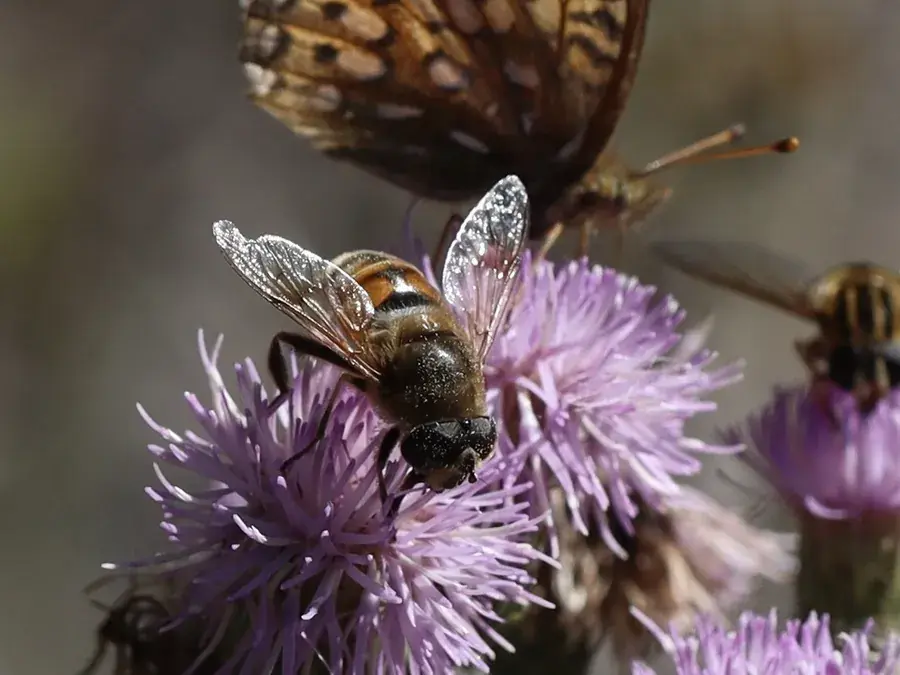
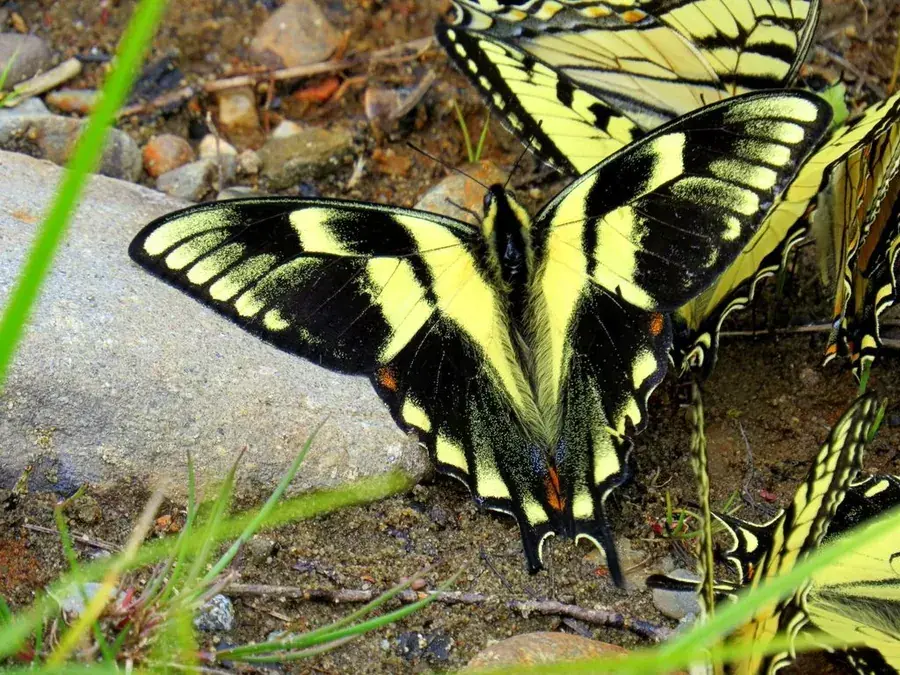
The insects and soil life out near Sherbrooke, Quebec in September. Most of them are on your side — learn the few that aren't before you reach for anything.
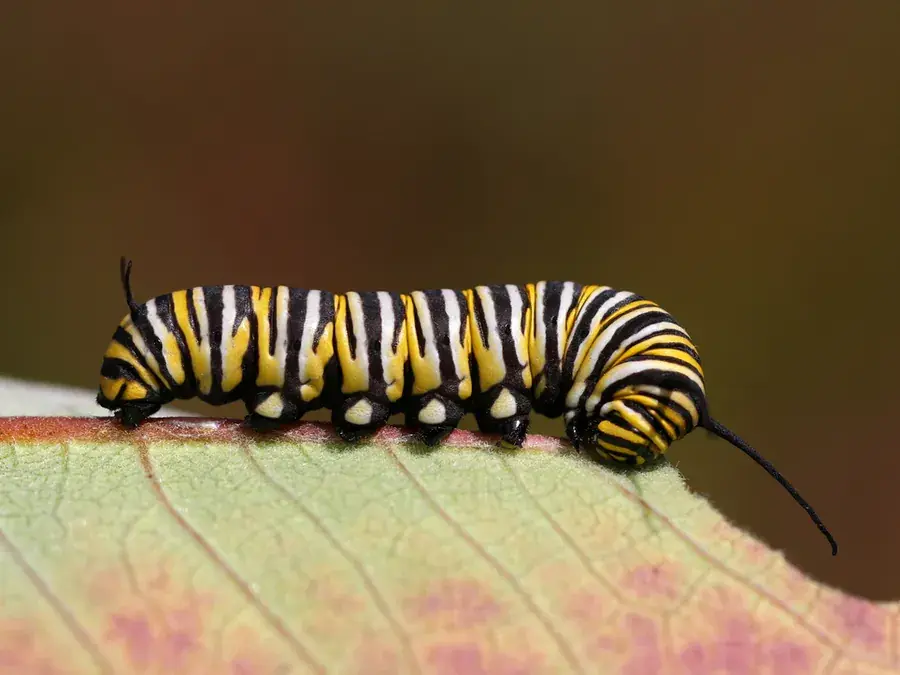 PollinatorMay–Oct
Monarch butterfly
Danaus plexippus
Orange with heavy black veins and a white-spotted black border. The caterpillar is banded yellow, white and black.
What it does in the garden →Photo: Christine Young · CC BY 4.0
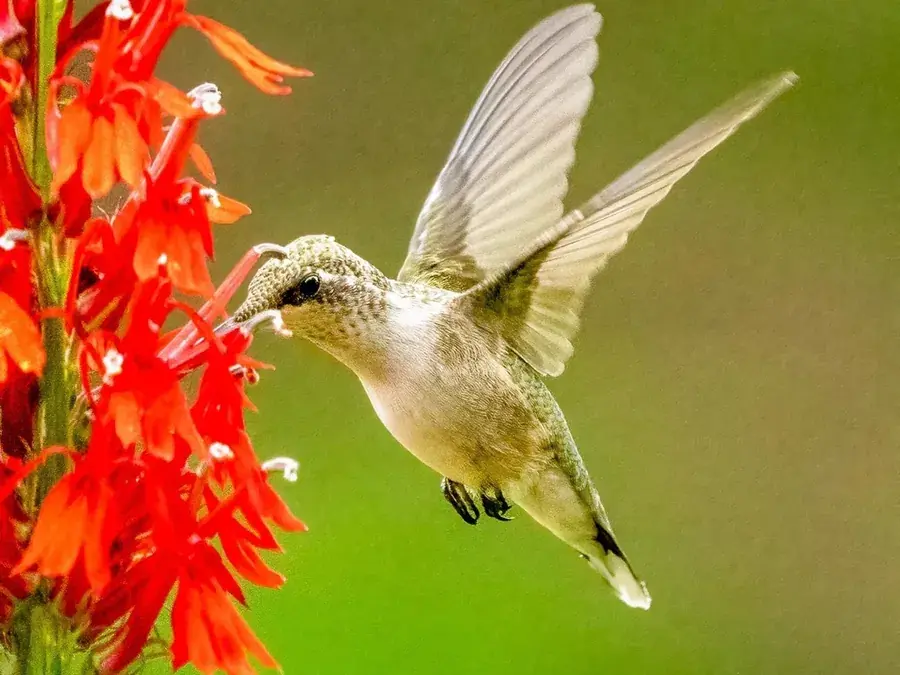 PollinatorMay–Sep
Ruby-throated hummingbird
Archilochus colubris
Tiny, iridescent green above; the male has a black-looking throat that flares ruby in the right light.
Writing your field guide — reading the forecast, the moon and the map…
Overhead · Sherbrooke, Quebec
The sky over the garden
The two clocks nothing on the ground can argue with: the length of the day, and the phase of the moon.
The sun
12h 33m of light
Sunrise
06:26
Solar noon
12:42
Sunset
18:59
A month from now the day will be 1h 34m shorter. Enough light for steady growth.
Right now · Sherbrooke, Quebec
Forces at work
Nothing here is a guess. Each of these is read from this week's forecast and this location's climate record, and each one is pushing the season one way or the other.
- Worth watching
Frost
27 days
Average first fall frost is around Oct 11. Nothing you sow now will finish unless it beats that.
The hard edge of the growing season. Ice inside a leaf ruptures its cells — one night ends a tomato and sweetens a parsnip.
- Working for you
Soil warmth
15.9 °C
Good for brassicas, beets, chard, carrots and potatoes. Wait on the heat crops.
Seeds read soil temperature, not the calendar. Six centimetres down is where the decision gets made.
The gardening note for Sherbrooke, every week
One email, Sunday evening. Unsubscribe anytime.