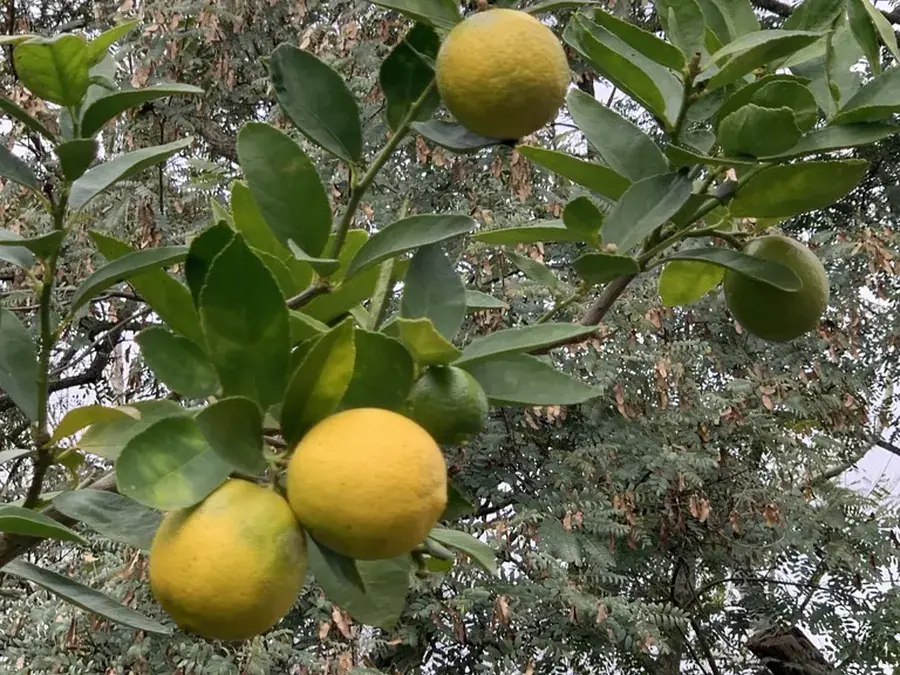
Photo Dave Richardson via Openverse · CC BY 4.0
Lemons and oranges
Citrus limon, C. sinensis
The tree is the larder — citrus never sweetens after picking, so leave it hanging until you want it, for months if need be.
- Signs of ripeness
- Citrus is ready when it has full colour and, above all, full flavour — taste one. Colour is not a reliable guide: some varieties do not colour until autumn cold, though that does not affect sweetness, and Valencia oranges can look greenish when fully ripe. Navel oranges ripen in late winter and Valencias in summer, while lemons carry flowers and fruit through much of the year.
- Harvesting
- Clip the fruit with secateurs close to the button, or lift and twist it off gently; a torn peel at the stem end lets in rot. Pick ripe fruit as you need it, because once picked it gets no sweeter. Remove any shoots growing from below the graft: they are the rootstock and will not bear good fruit.
- Frost tolerance
- Lemons are the most cold-sensitive: flowers and young fruit are killed at about −1.7 °C (29 °F), nearly mature fruit is badly damaged below −2.2 °C (28 °F), and the tree loses its leaves at −4 to −6 °C. Oranges are a little hardier — fruit is damaged between about −1 and −3 °C, and mature, dormant trees have survived ten hours below −4 °C — but young trees can be killed by even a brief frost. When frost is forecast, pick ripe fruit, cover young trees to the ground, and bring potted citrus under cover.
Storage
Storing lemons and oranges
| Where | Temperature | Humidity | Keeps | How |
|---|---|---|---|---|
| On the tree | 5–30 °C41–86 °F | moderate | Weeks to months | The best store of all: ripe fruit holds its quality on the tree, so pick as you need it. |
| Fridge | 4–8 °C39–46 °F | high | 4–6 weeks | Picked fruit in a bag in the crisper keeps about four to six weeks. |
Preserving
Preserving lemons and oranges
Marmalade is citrus’s great preserve and a tested water-bath recipe: thin-sliced peel — keep some of the white pith, which holds the pectin — simmered until tender, then boiled with the pulp and sugar to 8 °C above the boiling point of water (104 °C, 220 °F, at sea level) and processed 5 minutes for 250 or 500 ml jars at 0–300 m. Orange and grapefruit sections, stripped of all white tissue, can be packed raw in water, juice or syrup and water-bath canned 10 minutes for 500 ml or litre jars. Juice freezes well — lemon, lime and Valencia juice keeps about four months frozen — and is best frozen in glass, squeezed with a juicer that does not press oil from the rind. Sections freeze in a 40% syrup. Thinly pared outer peel, scrubbed and cut free of the bitter white pith, dries in 8–12 hours at 60 °C (140 °F) for baking and tea.
Jars boiled in a big pot — for high-acid food only.
The fastest route and the one that keeps flavour best.
A dehydrator or a low oven; light, keeps for a year.
Seed saving
Grown from tubers, cloves, crowns or runners, not seed
Garden citrus is grafted onto rootstocks chosen for soil, vigour and disease resistance, and trees should be bought grafted: ungrafted seedlings can take up to ten years to fruit and may not resemble the parent. A pip from a shop orange is a long experiment, not a quick crop. Keep the graft union above the soil and remove any shoots that grow from below it.
Keeps: Not applicable — named varieties are propagated by grafting.
Seed saving →Next year
Planning lemons and oranges for next season
Citrus wants full sun, shelter from cold wind and free-draining soil. It is hungry: feed regularly through the growing season — the RHS uses a nitrogen-rich summer feed from late March to October and a balanced winter feed after that — and keep young trees watered. Mature trees need little pruning beyond dead wood and rootstock suckers; thin heavy crops, since a tree about 1 m tall should carry no more than about 20 fruit at once. In Mediterranean climates — Lisbon, Seville, Cape Town — lemons and oranges grow outdoors with little fuss, and they crop well in tropical highlands such as Nairobi; in the hot lowland tropics oranges ripen but stay greenish, because colour comes with cool nights. Where winters bring frost, grow the hardier types, plant against a sunny wall, or keep citrus in pots that winter in a bright, cool, frost-free place: citrus will not reliably survive British winters outdoors.
Lemons and oranges at a glance
- Botanical name
- Citrus limon, C. sinensis
- Group
- Tree fruit
- Picked
- November, December, January, February, March, April, May
- Frost
- Half-hardy: scorched by a light frost, killed at −3 °c.
- Best put up as
- water-bath canning, freezing, drying
- Seed
- Grown from tubers, cloves, crowns or runners, not seed
Questions people ask about lemons and oranges
Do lemons and oranges ripen after picking?
No. Once picked, citrus does not get any sweeter or riper, so taste one before picking the rest. The best place to store ripe fruit is on the tree; picked fruit keeps about four to six weeks in the fridge.
Why are my ripe oranges still green?
Orange colour develops with cool weather, so in warm climates, and early in the season, fully ripe fruit can stay green or partly green, and Valencias can turn greenish again on the tree. Colour does not affect sweetness — taste is the test.
How long can citrus stay on the tree?
Weeks to months, depending on the variety — the tree is the best store. Valencia oranges, for example, are picked in summer but can hang well beyond that; eventually quality falls as the fruit dries out or drops, so keep picking through the season.
How cold can a lemon tree take?
Not much. Lemon flowers and young fruit die at about −1.7 °C, nearly ripe fruit is damaged below −2.2 °C, and the tree is defoliated at −4 to −6 °C. Oranges are slightly hardier. Cover young trees on frost nights and bring potted ones under cover.
Can I grow a lemon tree in Canada or the UK?
Yes, in a pot. Keep it outdoors in a sunny, sheltered spot in summer and bring it into a bright, cool, frost-free room or conservatory for winter — citrus prefer a cool winter spell and more humidity than a centrally heated house gives. Water sparingly in winter and feed with citrus fertiliser all year.
Can I grow citrus from a pip?
You can grow a tree, but it may take up to ten years to fruit and the fruit may not resemble the parent. For a reliable crop within a few years, buy a grafted tree, ideally one already flowering or fruiting.
Local frost dates
Harvest timing for a place
Enter a town, postal code or ZIP to build the garden year, the frost forecast and this week’s guide from local weather.
Also in tree fruit
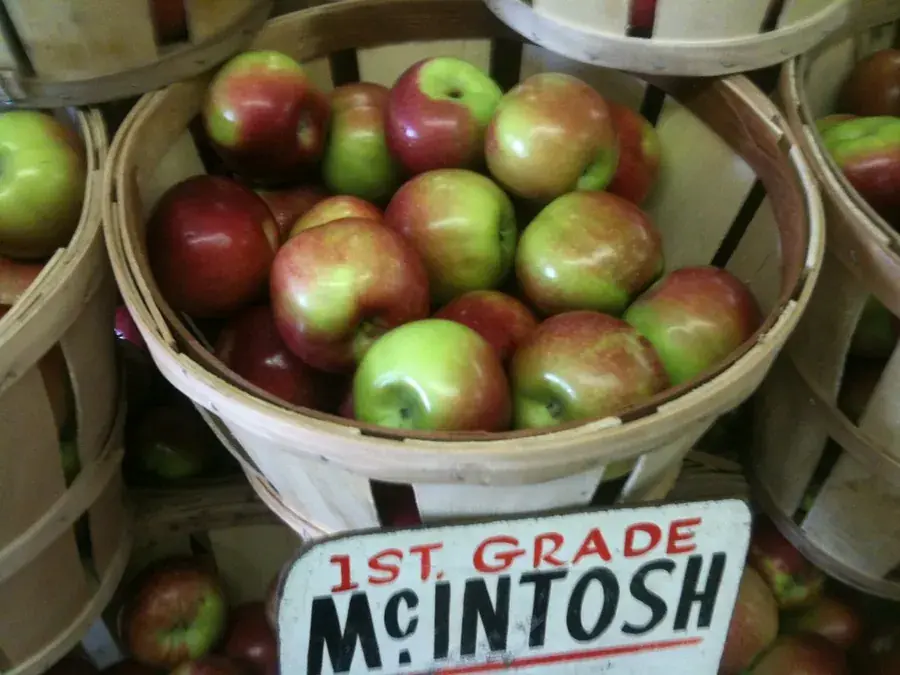 Half-hardyTree fruitHarvest Aug–Oct
Apples
The one harvest that can feed a family until March — if you know which apples keep and which don’t.
Cold storage · Water-bath · FreezingHarvest and storage →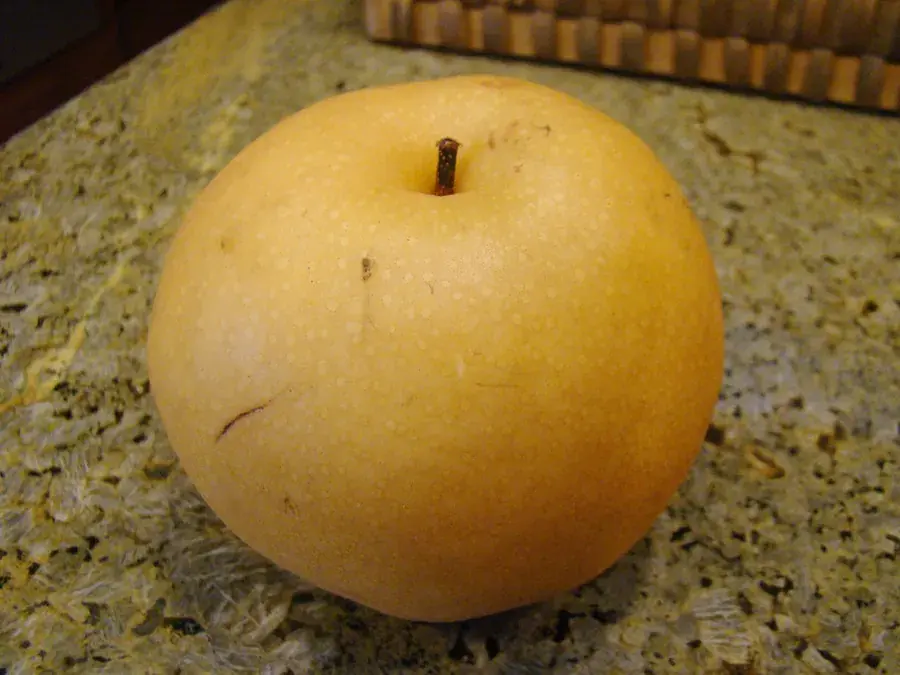 Half-hardyTree fruitHarvest Aug–Sep
Pears
The fruit you must pick before it is ripe — a pear left to soften on the tree is mush outside and grit at the core.
Water-bath · Cold storage · DryingHarvest and storage →
Checked against these sources ·
- UC IPM: Harvesting and storing citrus
- UF/IFAS: Citrus culture in the home landscape (HS132)
- Julia F. Morton, Fruits of Warm Climates: Lemon (Purdue NewCROP)
- Julia F. Morton, Fruits of Warm Climates: Orange (Purdue NewCROP)
- RHS: How to grow citrus
- NCHFP: Citrus marmalade
- NCHFP: Canning grapefruit and orange sections
- NCHFP: Freezing citrus fruits
- Colorado State University Extension: Drying fruits
Harvest months are typical for zones 4–6 and shift by weeks north and south. Storage figures assume ideal conditions; without a cold store, expect the shorter end of each range.