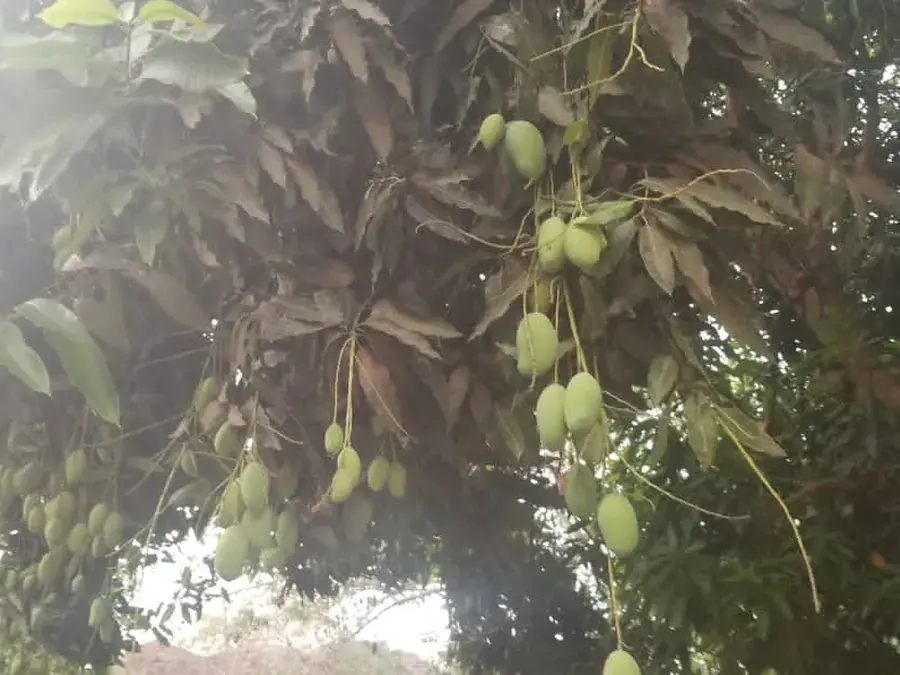
Photo daSupremo on Wikimedia Commons · CC BY-SA 4.0
Mangoes
Mangifera indica
The fruit that needs a dry season to flower — picked firm and mature, ripened in the kitchen, and handled with respect for its sap.
- Signs of ripeness
- Mangoes ripen on the tree but are best picked firm and mature: the shoulders and the nose — the end away from the stem — have filled out and broadened, coloured varieties show their first blush or yellowing, and the flesh next to the seed has turned from white to yellow. Fruit matures 100–150 days after flowering. Pick as you need it through the season; once ripe, fruit begins to drop.
- Harvesting
- Cut the fruit with secateurs, leaving about 10 cm of stalk, so the milky, resinous sap does not spurt from the stem end onto the skin — it burns the fruit, causing black blemishes that lead to rot, and it blisters human skin as well. Use a picking pole with a bag for high fruit rather than climbing.
- Frost tolerance
- Mango trees do not harden off to cold. Flowers and small fruit are damaged if the temperature falls below about 4.4 °C (40 °F) for a few hours; young trees can be killed at −1 to −2 °C, and mature trees survive about −4 °C for a few hours with damage to leaves and small branches. In a marginal garden cover young trees on frost nights and plant in the warmest corner.
Storage
Storing mangoes
| Where | Temperature | Humidity | Keeps | How |
|---|---|---|---|---|
| Kitchen counter, to ripen | 21–24 °C70–75 °F | moderate | 3–8 days to ripen | Mature fruit ripens 3–8 days after picking. Warmer than this, it shrivels and develops off flavours. |
| Fridge, ripe fruit only | 4–10 °C39–50 °F | high | A few days | Chilling unripe mangoes causes chilling injury — grey or brown skin, pitting, uneven ripening and off flavours that may not show until the fruit warms up. |
Preserving
Preserving mangoes
Mangoes freeze beautifully: slice firm-ripe fruit and tray-freeze it unsweetened, pack slices in a 30% syrup, or purée the flesh with or without sugar. Tested NCHFP recipes cover the jars. Green, firm, non-fibrous mangoes can be sliced, boiled 2 minutes in light or medium syrup and canned 15 minutes for 500 ml jars or 20 minutes for litre jars in a boiling-water canner at 0–300 m. Mango chutney uses unripe mangoes with onion, ginger, garlic, raisins, sugar, chilli and 5% vinegar, processed 10 minutes for 250 or 500 ml jars; mango sauce, a purée of slightly under-ripe fruit heated to 93 °C (200 °F) with honey, sugar, bottled lemon juice and ascorbic acid, is processed 15 minutes for 250 ml jars. For mango leather, purée unripe fruit with honey and spices, spread it 6 mm (¼ in) thick and dry it at 60 °C (140 °F) for about 10 hours. Wear rubber gloves when peeling green mangoes, because the skin and sap irritate skin the way poison ivy, a relative, does, and do not touch your face until your hands are washed.
The fastest route and the one that keeps flavour best.
Jars boiled in a big pot — for high-acid food only.
Vinegar does the preserving; the canner just seals the jar.
A dehydrator or a low oven; light, keeps for a year.
Seed saving
Grown from tubers, cloves, crowns or runners, not seed
It depends on the variety. Many tropical mangoes, including the Indochinese types, have polyembryonic seeds: most of the embryos in one seed are genetically identical to the mother tree, so they come true, and sowing them is the usual way mangoes are propagated across much of the tropics. Indian types, which include many commercial varieties, have monoembryonic seeds that give a cross, and must be grafted — usually veneer- or cleft-grafted onto a vigorous polyembryonic seedling rootstock. Take seed from a fully ripe fruit and sow it fresh, not dried.
Keeps: Weeks, not years. Sow within a few days of taking the seed from the fruit; packed in moist sand, earth or sawdust it lasts a little longer.
Seed saving →Next year
Planning mangoes for next season
A mango is a tree for the long term: grafted trees bear three to five years after planting and grow very large unless pruned after each harvest. Choose full sun, the warmest spot, and soil that drains; mangoes tolerate occasional flooding but not poor drainage. Water young trees weekly in dry spells for their first three years; mature trees need little irrigation, and over-watering harms them. The key to fruit is dry weather before and during flowering: rain and heavy dew at bloom bring anthracnose and powdery mildew, which destroy the flowers and young fruit. That is why mangoes crop best in climates with a long dry season — the West African savanna, coastal Kenya and Tanzania, the Limpopo lowveld — and less reliably in places that are wet all year. In humid gardens choose anthracnose-resistant varieties. Plant at the start of the rains, so the tree roots in before the dry season.
Mangoes at a glance
- Botanical name
- Mangifera indica
- Group
- Tree fruit
- Picked
- April, May, June, July, August
- Frost
- Tender: finished by the first frost.
- Best put up as
- freezing, water-bath canning, pickling, drying
- Seed
- Grown from tubers, cloves, crowns or runners, not seed
Questions people ask about mangoes
Why does my mango tree flower but not set fruit?
Usually because rain or heavy dew during flowering let anthracnose and powdery mildew attack the flower panicles, or because a cold spell below about 4 °C hit the flowers. Dry weather before and during bloom gives the best set; in humid gardens, one or two sulphur and copper sprays starting when the panicles are a quarter grown protect them.
How do I know when a mango is ready to pick?
The shoulders and the end away from the stem have filled out, coloured varieties show a first blush or yellowing, and the flesh near the seed has turned from white to yellow. Pick firm and mature, and ripen at 21–24 °C for three to eight days.
Why do mangoes give some people a rash?
The sap and the skin of unripe fruit contain resinous compounds that irritate and can blister skin, with a delayed reaction like poison ivy, a relative of the mango. Sensitive people should wear gloves, and use one knife to peel and a clean one to slice, so the flesh does not carry resin from the peel.
Will a mango grown from a seed come true?
Only if it is a polyembryonic variety, as many tropical seedling mangoes and Indochinese types are — most of their seedlings are identical to the parent. Monoembryonic Indian types give a new, unpredictable tree and must be grafted.
Should mangoes go in the fridge?
Only once they are ripe. Unripe mangoes chilled in the fridge suffer chilling injury — grey or brown skin, pitting, uneven ripening and off flavours that show once they warm up.
How do you freeze mangoes?
Peel and slice firm, ripe fruit and freeze the slices on a tray before bagging them, or cover them with a 30% syrup, or purée the flesh with or without sugar. Leave headspace in rigid containers.
Local frost dates
Harvest timing for a place
Enter a town, postal code or ZIP to build the garden year, the frost forecast and this week’s guide from local weather.
Also in tree fruit
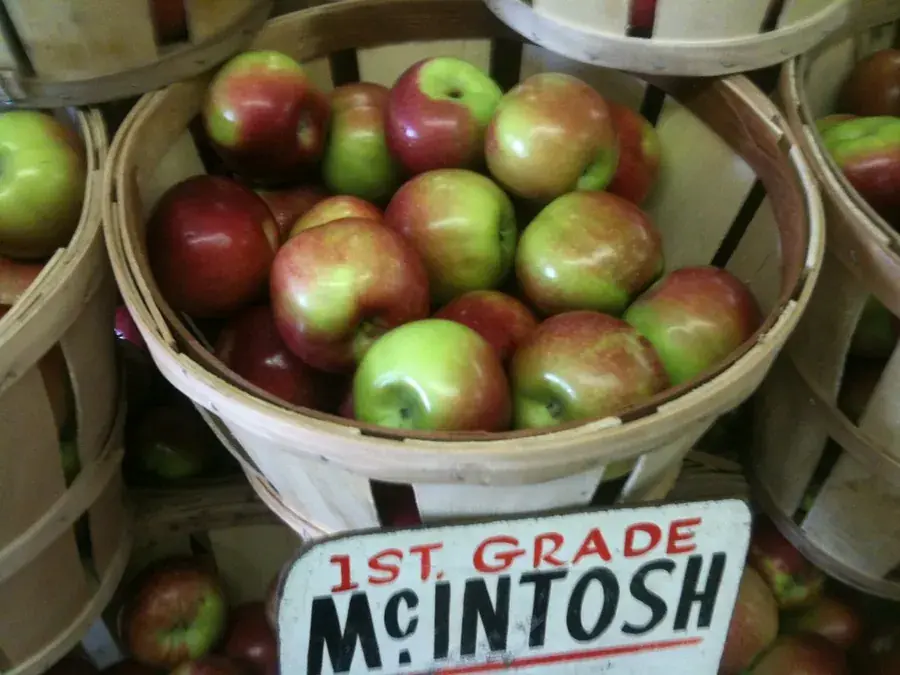 Half-hardyTree fruitHarvest Aug–Oct
Apples
The one harvest that can feed a family until March — if you know which apples keep and which don’t.
Cold storage · Water-bath · FreezingHarvest and storage →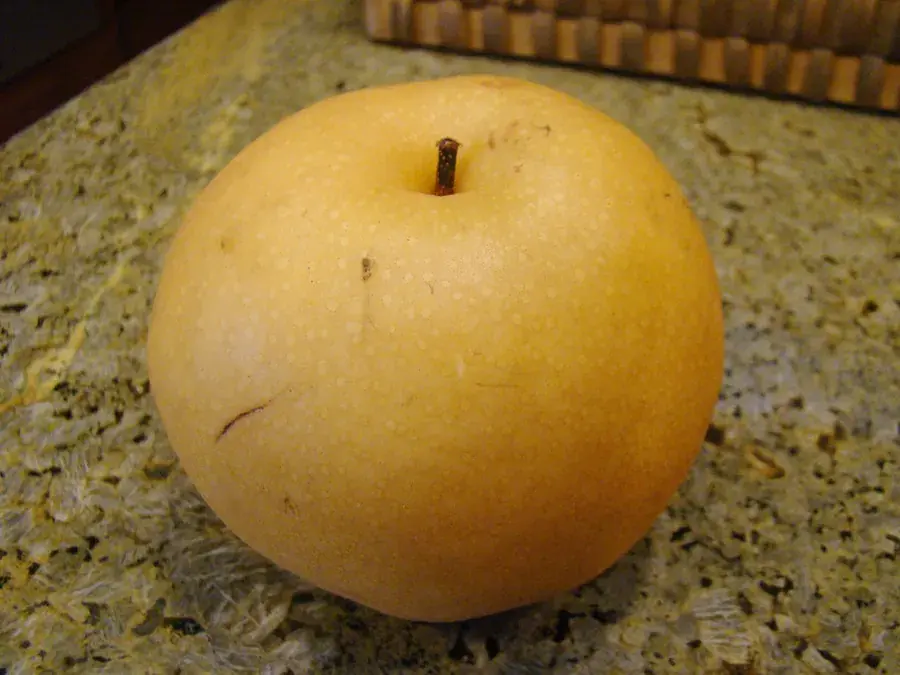 Half-hardyTree fruitHarvest Aug–Sep
Pears
The fruit you must pick before it is ripe — a pear left to soften on the tree is mush outside and grit at the core.
Water-bath · Cold storage · DryingHarvest and storage →
Checked against these sources ·
- UF/IFAS: Mango growing in the Florida home landscape (HS2/MG216)
- Julia F. Morton, Fruits of Warm Climates: Mango (Purdue NewCROP)
- NCHFP: Freezing mangos
- NCHFP: Canning green mangoes
- NCHFP: Mango chutney
- NCHFP: Mango sauce
- NCHFP: Mango leather
- FAO ECOCROP: Mangifera indica data sheet
Harvest months are typical for zones 4–6 and shift by weeks north and south. Storage figures assume ideal conditions; without a cold store, expect the shorter end of each range.