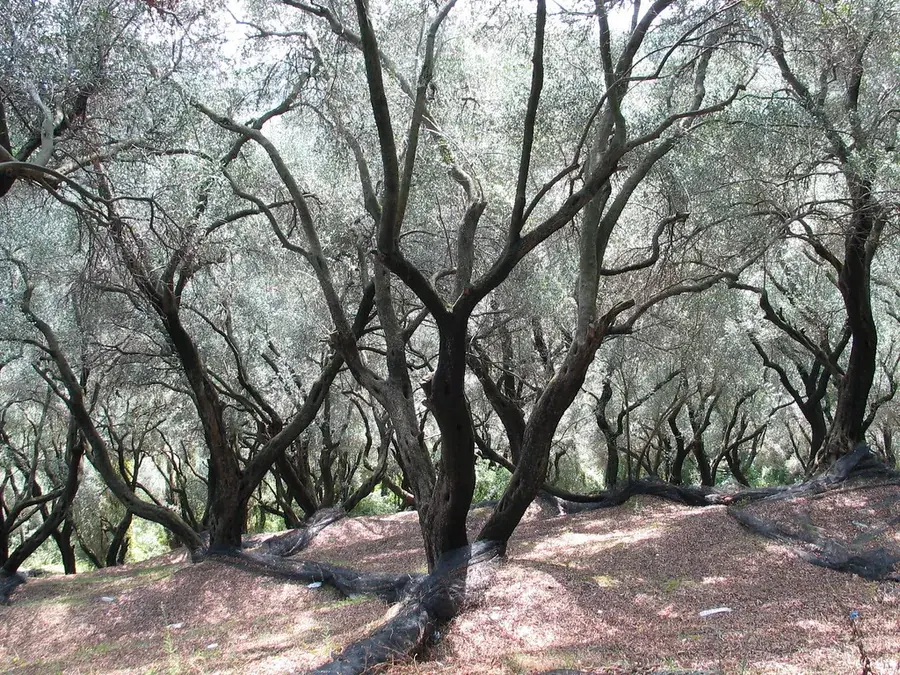
Photo Gareth1953 All Right Now on Flickr · CC BY 2.0
Olives
Olea europaea
Bitter beyond eating straight from the tree — every olive you have ever tasted was cured first, in lye, brine, water or salt.
- Signs of ripeness
- Olives are picked at three stages: green-ripe, full-sized and evenly yellow-green to straw-coloured; turning, rose to red-brown; and naturally black-ripe, dark red to purple-black, about three to four months after the green-ripe stage. In California green-ripe olives come from mid-September and black-ripe ones from mid-November. Pick for the cure you plan: green-ripe fruit for lye-cured and Spanish-style green olives, fully ripe fruit for dry-salt and Greek-style black olives.
- Harvesting
- Pick by hand, or comb the fruit gently onto a sheet spread beneath the tree, and set aside any bruised olives: bruises show after curing. Sort by ripeness and size, because each cure suits a stage and even-sized fruit cures evenly. Process fresh olives within a few days of picking, especially black-ripe ones.
- Frost tolerance
- Olive trees need winter cold to flower but are hurt by hard frost: new growth and fruit are harmed below about −1.7 °C (29 °F), trees are damaged below about −5.6 °C (22 °F) — especially if late feeding or watering kept them growing into autumn — and they cannot survive below about −12 °C (10.5 °F). Pick fruit for curing before the first frost, while it is firm. In cold districts, potted olives belong in a frost-free place for winter.
Storage
Storing olives
| Where | Temperature | Humidity | Keeps | How |
|---|---|---|---|---|
| Cool room, fresh olives awaiting curing | 5–10 °C41–50 °F | high | A few days | Cure olives as soon as you can; green-ripe fruit holds better than black. Held at 0–2 °C for two weeks or more they suffer chilling injury. |
| In finish brine, cool and dark, or the fridge | 2–18 °C36–64 °F | moderate | Up to a year for water- and brine-cured styles; about 2 months for lye-cured; 6 months for dry-salt-cured, refrigerated | Cured olives in airtight food-grade containers, covered with brine; some styles must be refrigerated. |
Preserving
Preserving olives
Raw olives are inedible: they contain oleuropein, an intensely bitter compound that must be leached out before the fruit can be eaten. The tested home methods are in UC Agriculture and Natural Resources publication 8267, Olives: Safe Methods for Home Pickling. Water curing — cut or cracked olives soaked in fresh water changed daily for one to three weeks, then kept in a salt-and-vinegar finish brine — is ready in weeks but leaves the olives slightly bitter. Brine curing ferments the olives in salt brine for at least three months, often six or more, as for Greek-style black and Sicilian-style green olives. Dry-salt curing packs fully ripe, oil-rich olives with about 1 part pickling salt to 2 parts fruit by weight for several weeks, giving soft, shrivelled, salty olives that keep up to six months in the fridge. Lye curing, with 57 g (2 oz) of pure lye per 3.8 L (1 gallon) of cold water, debitters green-ripe olives in days, giving the mild, firm California style — but lye is extremely corrosive: wear rubber gloves and eye protection, add lye to water and never water to lye, use only glass, stainless steel, food-grade plastic or wood — never aluminium, tin or galvanised metal — and keep it away from children and pets. Olives are a low-acid food: home canning of cured olives needs a pressure canner — whole olives in brine, 60 minutes for 500 ml jars or 70 minutes for litre jars at 10 lb weighted gauge near sea level — and must never be done in a boiling-water or steam canner, because of botulism. Dry-salt and lye-cured olives of small, oily varieties also freeze. Throw out any batch that becomes mouldy, soft or foul-smelling.
Two weeks of warmth and air that turn a fresh crop into a keeper.
Salt and time; the bacteria make the acid for you.
Vinegar does the preserving; the canner just seals the jar.
Jars heated above boiling under pressure — the only safe way to can plain vegetables.
The fastest route and the one that keeps flavour best.
Seed saving
Grown from tubers, cloves, crowns or runners, not seed
Olive seedlings do not come true, so named varieties are propagated from rooted cuttings or by grafting; buy a named variety from a nursery. Most olives crop better with a second, compatible variety nearby to cross-pollinate, so plant two kinds, or check what grows in neighbouring gardens.
Keeps: Not applicable — named varieties are kept by cuttings and grafting.
Seed saving →Next year
Planning olives for next season
Olives need a long, hot, dry summer to ripen their fruit and a cool winter to flower: 200–300 hours between about 0 and 8 °C (32–47 °F) set the flower buds, and long spells near 24 °C (75 °F) in winter spoil flowering. That is why they crop across the Mediterranean, in South Africa’s Western Cape and in California, and do not fruit in the humid lowland tropics. Give them full sun, shelter, and well-drained soil, even poor and stony ground; they hate wet roots. Plant in spring. Stop feeding and watering by late summer so the tree hardens off before winter. Olives tend to bear heavily one year and lightly the next, and reach full production in seven to ten years. In Britain, plant in the ground only in a very sheltered town garden near a sunny wall, or grow them in large pots of gritty, loam-based compost moved under cover for the winter.
Olives at a glance
- Botanical name
- Olea europaea
- Group
- Tree fruit
- Picked
- October, November, December, January
- Frost
- Half-hardy: scorched by a light frost, killed at −3 °c.
- Best put up as
- curing, fermenting, pickling, pressure canning, freezing
- Seed
- Grown from tubers, cloves, crowns or runners, not seed
Questions people ask about olives
Can you eat olives straight from the tree?
No. Fresh olives contain oleuropein, a compound so bitter that the fruit is inedible until it has been cured in water, brine, salt or lye to leach it out. Even black, fully ripe olives on the tree are bitter.
How do you cure olives at home?
Choose a tested method from UC publication 8267: water-curing cracked olives with daily changes of water for one to three weeks; fermenting them in salt brine for three to six months or more; packing fully ripe olives in dry salt for several weeks; or lye-curing green-ripe olives, which takes days. Each style has its own finish brine and storage rules.
Is it safe to cure olives with lye?
Yes, if you follow a tested method and treat the lye with respect: it is extremely corrosive. Wear rubber gloves and eye protection, always add lye to cold water and never the reverse, use glass, stainless steel, food-grade plastic or wood — never aluminium, tin or galvanised metal — rinse and soak the olives as directed, and keep children and pets away.
How long do home-cured olives keep?
It depends on the style. Water- and brine-cured olives keep up to about a year in their finish brine in a cool, dark place or the fridge, as the recipe directs; lye-cured olives about two months in brine; dry-salt-cured olives up to six months refrigerated. For longer storage, cured olives can be pressure-canned in brine or, for some styles, frozen or dried.
Why doesn’t my olive tree fruit?
Usually because the winter was too warm for the tree to form flower buds — olives need 200–300 hours between about 0 and 8 °C — or because it is still young: full production takes seven to ten years. A second, compatible variety nearby improves fruit set, and olives naturally crop heavily and lightly in alternate years.
Can I grow an olive tree in Canada or Britain?
In a pot, yes, and in the ground only in the most sheltered spots of southern Britain. Many olives are hardy to several degrees of frost, but severe frosts damage the branches; grow them in large pots of gritty compost outdoors in summer and move them into a frost-free, bright place for winter.
Local frost dates
Harvest timing for a place
Enter a town, postal code or ZIP to build the garden year, the frost forecast and this week’s guide from local weather.
Also in tree fruit
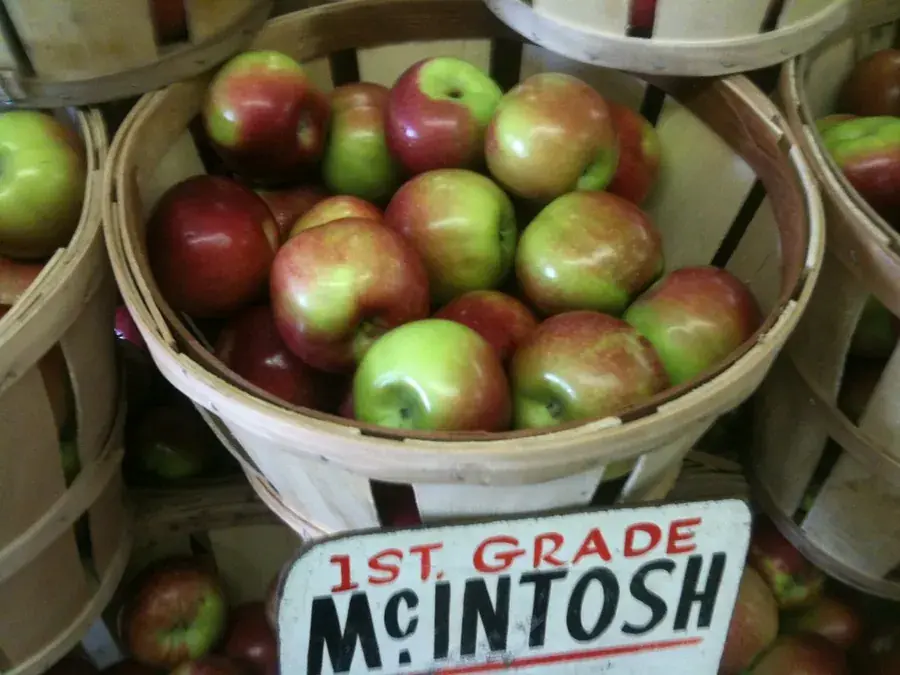 Half-hardyTree fruitHarvest Aug–Oct
Apples
The one harvest that can feed a family until March — if you know which apples keep and which don’t.
Cold storage · Water-bath · FreezingHarvest and storage →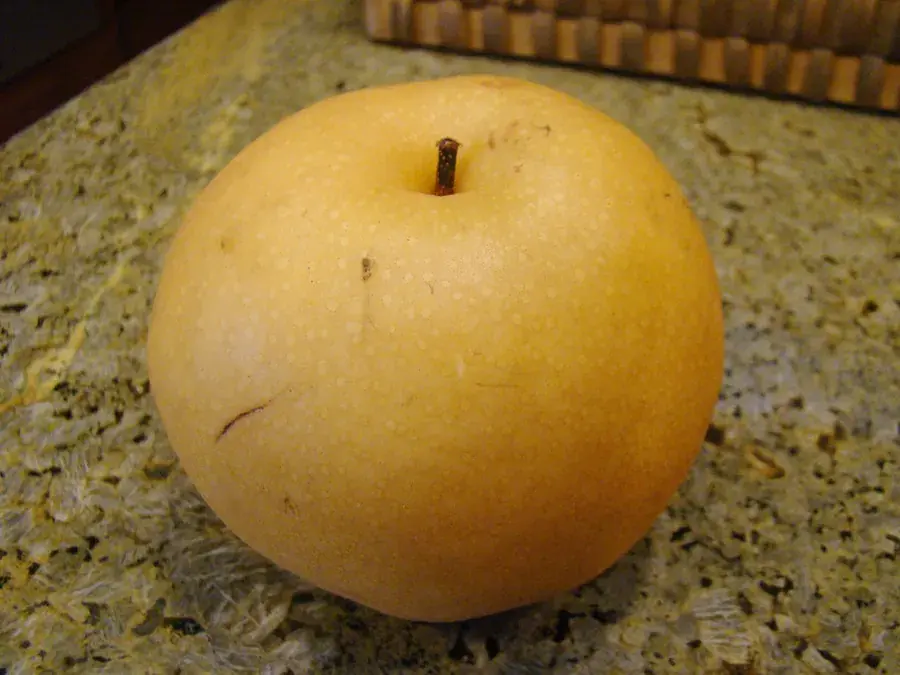 Half-hardyTree fruitHarvest Aug–Sep
Pears
The fruit you must pick before it is ripe — a pear left to soften on the tree is mush outside and grit at the core.
Water-bath · Cold storage · DryingHarvest and storage →
Checked against these sources ·
- UC ANR Publication 8267: Olives — safe methods for home pickling
- UF/IFAS: Develop your own Florida olive IPM plan (IN1251)
- RHS: How to grow olives
- FAO ECOCROP: Olea europaea data sheet
Harvest months are typical for zones 4–6 and shift by weeks north and south. Storage figures assume ideal conditions; without a cold store, expect the shorter end of each range.