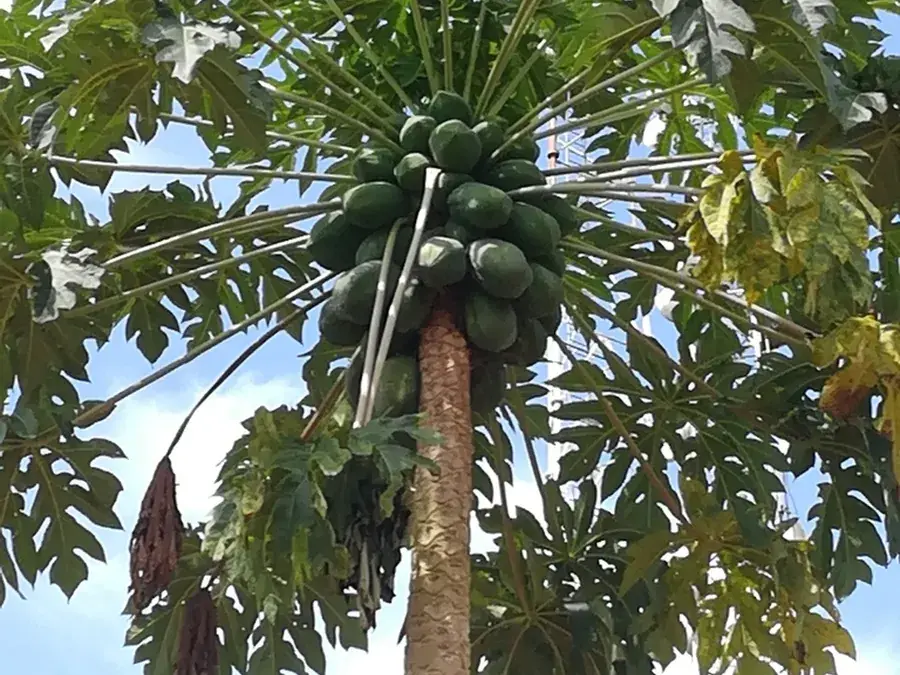
Papaya
Carica papaya
From seed to fruit in under a year — grow three plants to be sure of one that bears, and pick when the first yellow streaks show.
- Signs of ripeness
- Fruit can be picked green, as a vegetable, or for eating ripe once yellow covers a tenth to a third of the skin; the longer it colours on the tree, the sweeter it is. Well-grown plants flower about four months after planting and bear their first fruit 7–11 months after.
- Harvesting
- Twist or cut the fruit off with a short stalk and handle it gently — scratched skin weeps latex, which stains the fruit. Wear gloves when picking green fruit or cutting the stem, because the milky latex irritates skin. Where papaya fruit fly is a problem, bag each fruit while small in a paper bag or cloth and leave it on until harvest.
- Frost tolerance
- Papaya is damaged or killed below about −0.6 °C (31 °F) and sulks long before: below 15 °C flowering stops or the fruit comes misshapen, roots barely grow in soil below 15.5 °C, and new leaves stop forming in cold weather. When frost threatens, pick any fruit showing colour, and the full-sized green ones to cook.
Storage
Storing papaya
| Where | Temperature | Humidity | Keeps | How |
|---|---|---|---|---|
| Kitchen counter, to ripen | 20–25 °C68–77 °F | moderate | Until ripe | Part-coloured fruit finishes ripening at room temperature. |
| Fridge, ripe fruit | 5–10 °C41–50 °F | high | 4–7 days | Refrigerate only once the fruit is fully ripe. |
Preserving
Preserving papaya
Ripe papaya cans safely only with added acid. The tested NCHFP method makes a medium or heavy syrup with 60 ml (¼ cup) of lemon juice to each litre (quart) of syrup, cooks peeled, seeded cubes gently in it for 2–3 minutes, packs them hot with 1 cm (½ in) headspace, and processes them 15 minutes for 500 ml (pint) jars or 20 minutes for litre (quart) jars in a boiling-water canner at 0–300 m. Do not leave out the lemon juice. Ripe flesh is also dried, candied, or made into jam and jelly. Green papaya is a vegetable — boiled, cooked in soups, or shredded raw into the salads of Thailand and Vietnam — but it is rich in latex containing the enzymes papain and chymopapain, so most green papaya is cooked.
Jars boiled in a big pot — for high-acid food only.
A dehydrator or a low oven; light, keeps for a year.
Seed saving
Cross-pollinates readily: needs isolation
Papaya grows easily from seed, but plants come in three sexes — male, female and bisexual — and only female and bisexual plants bear fruit, so raise two or three plants to be sure of one that crops. Bisexual plants pollinate themselves; female plants need pollen carried by insects or wind. Scoop the seeds from a ripe fruit, press them against the side of a colander to break the jelly-like sac around each one (it inhibits germination), rinse, and dry them out of the sun. Where papaya ringspot virus is about, avoid seed from small, pear-shaped Solo-type fruit, which are more susceptible.
Keeps: Several years, dried and kept in a sealed bag in the fridge. Fresh seed germinates in two to three weeks.
Seed saving →Next year
Planning papaya for next season
Papaya is called pawpaw in much of Africa, Britain and Australia; it is unrelated to the North American pawpaw, Asimina triloba. Give it the warmest, sunniest spot in the garden that never floods, 2–3 m from buildings and other plants, in deep, well-drained soil; waterlogging and lawn sprinklers on a timer cause root rot. Sow two to four seeds in each 4-litre pot, keep the strongest seedling, and plant out at 15–30 cm tall. Feed little and often — every two weeks while young — and water every day or two in hot, dry weather on sandy soil, every three or four days on loam; drought drops flowers and young fruit. Plant out at the start of the rains in the tropics. In Mediterranean and subtropical climates it needs the warmest frost-free site or a greenhouse, because a winter below 15 °C stops flowering.
Papaya at a glance
- Botanical name
- Carica papaya
- Group
- Tree fruit
- Picked
- January, February, March, April, May, June, July, August, September, October, November, December
- Frost
- Tender: finished by the first frost.
- Best put up as
- water-bath canning, drying
- Seed
- Cross-pollinates readily: needs isolation
Questions people ask about papaya
Why does my papaya flower but never fruit?
It is probably a male plant. Males carry small, tubular flowers on long dangling stalks and rarely set fruit; females and bisexual plants carry larger flowers tight against the trunk. Raise two or three seedlings from each sowing so that at least one bears.
When should I pick papaya?
For eating ripe, once yellow covers a tenth to a third of the skin; the more colour it gains on the tree, the sweeter it is. Ripen it fully at room temperature, then refrigerate, and eat within four to seven days.
Can you eat green papaya?
Yes — it is a vegetable in much of the tropics, boiled, cooked in soups, or shredded raw into Thai and Vietnamese salads. Green fruit is rich in latex, so most of it is cooked, and the latex irritates the hands of whoever peels it.
How do you grow papaya from seed?
Take seeds from a ripe fruit, rub them against a colander to break the jelly coat, rinse and dry them, and sow two to four in a 4-litre pot somewhere warm. They germinate in two to three weeks; keep the strongest seedling and plant it out at 15–30 cm tall.
Is papaya sap harmful?
It irritates the skin. The milky latex in the stem, leaves and green fruit contains protein-digesting enzymes, so wear gloves and long sleeves when picking green fruit or pruning.
How do you can papaya?
In a boiling-water canner, with added lemon juice: cube peeled, seeded fruit, cook it 2–3 minutes in syrup with ¼ cup of lemon juice per quart of syrup, pack hot with ½ inch headspace, and process 15 minutes for pints or 20 minutes for quarts near sea level.
Local frost dates
Harvest timing for a place
Enter a town, postal code or ZIP to build the garden year, the frost forecast and this week’s guide from local weather.
Also in tree fruit
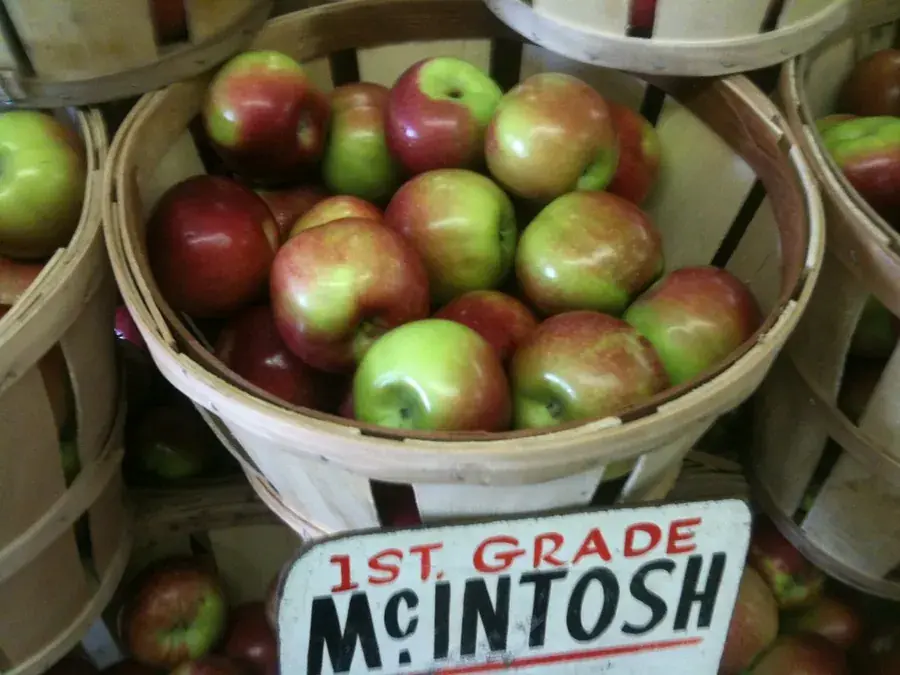 Half-hardyTree fruitHarvest Aug–Oct
Apples
The one harvest that can feed a family until March — if you know which apples keep and which don’t.
Cold storage · Water-bath · FreezingHarvest and storage →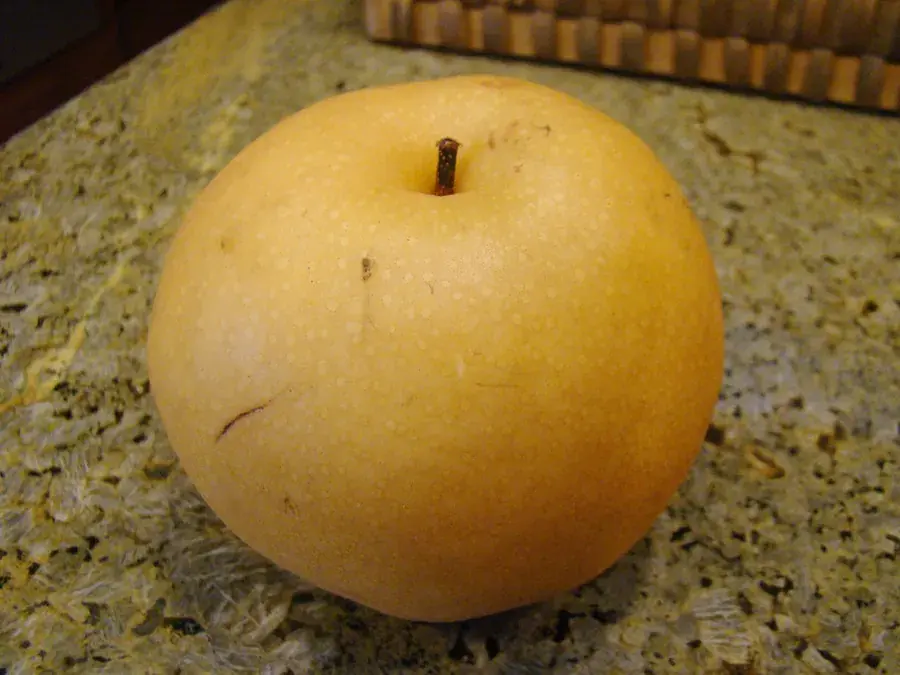 Half-hardyTree fruitHarvest Aug–Sep
Pears
The fruit you must pick before it is ripe — a pear left to soften on the tree is mush outside and grit at the core.
Water-bath · Cold storage · DryingHarvest and storage →
Checked against these sources ·
- UF/IFAS: Papaya growing in the Florida home landscape (HS11/MG054)
- NCHFP: Canning papaya
- Julia F. Morton, Fruits of Warm Climates: Papaya (Purdue NewCROP)
- FAO ECOCROP: Carica papaya data sheet
Harvest months are typical for zones 4–6 and shift by weeks north and south. Storage figures assume ideal conditions; without a cold store, expect the shorter end of each range.