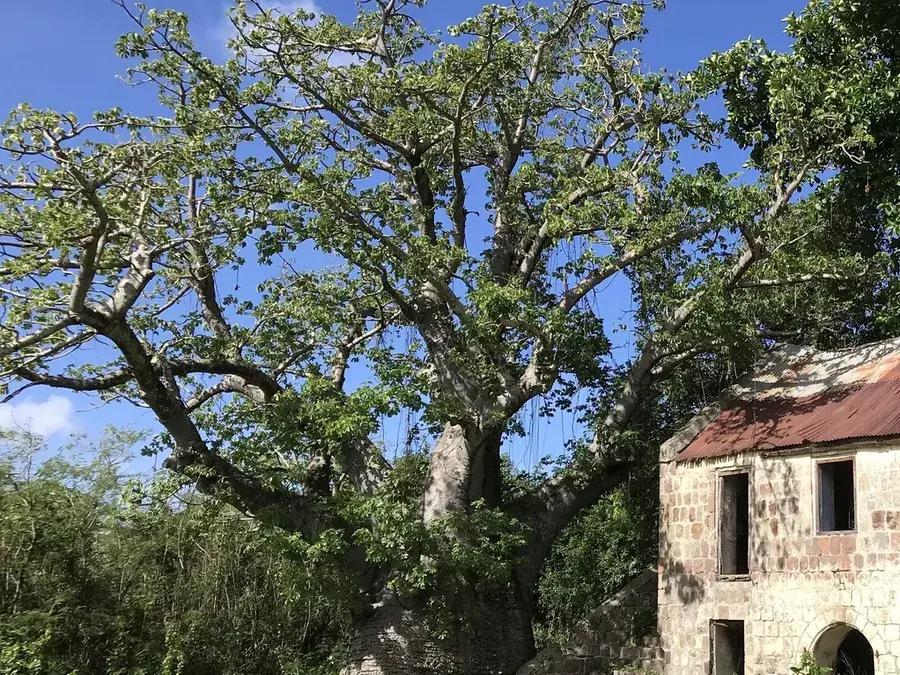
Photo by Cliff Tyllick on iNaturalist · CC BY 4.0
FruitIn season now (October)
Baobab (fruit and leaves)
Adansonia digitata
- When
- Typically October – February — October, November, December, January, February. Earlier in warm, low country; later in the hills.
- Where it grows
- Hot, dry savanna and open woodland on stony, well-drained, frost-free ground, from the Sahel to the Limpopo valley; often a lone giant beside a village, a field or a pan.
- How to know it
- A vast, swollen grey trunk with smooth, folded bark and stubby branches that look like roots, bare of leaves for most of the dry season. The leaves are hand-shaped, with five to seven finger-like leaflets. The fruit is a velvety, egg- to sausage-shaped pod up to 25 cm (10 in) long on a long hanging stalk: a hard woody shell around chalky, off-white pulp and black kidney-shaped seeds.
- Look-alikes
- No other tree looks like a baobab. Sausage tree (Kigelia) also dangles fruit on long cords, but its 'sausages' are huge, heavy and solid, with no dry shell full of powder. Take pods only from a tree you have seen.
- Harvest and use
- Take fruit only when the shell is dry and brown and the seeds rattle inside. Crack it open and suck the tart, sherbet-like pulp off the seeds, or soak the pulp in water and strain it for a lemony drink; it also goes into porridge. Young leaves, picked in the rains, are cooked as a relish or dried and powdered for soup across West Africa. Knock fruit down with a hooked pole — don't climb the tree.
- Caution
- Baobab is a protected tree in South Africa: no cutting, bark-stripping or damage without a licence, though a household may take a small share of the fruit. In the Sahel, heavy use of the fruit has been cited among the pressures on the trees — take a little from many trees rather than everything from one.
Baobab (fruit and leaves) at a glance
- Also called
- Monkey-bread tree, upside-down tree, cream of tartar tree; tebeldi (Sudan), kuka (Hausa)
- Family
- Malvaceae (the mallow family, with hibiscus and cacao)
- Where it grows
- The dry savannas of tropical and southern Africa: the Sahel and Sudanian belt from Senegal to Sudan, the coastal savannas of the Gulf of Guinea, the dry country of Tanzania and the East African coast, and south through Zambia, Zimbabwe, Malawi, Mozambique, northern Botswana and northern Namibia. In South Africa it grows wild only in the warm, frost-free parts of Limpopo. It needs hot, dry, frost-free ground and is absent from the rainforest.
- When to pick
- Leaves first: they appear shortly after the first rains and young ones are picked through the wet season. The fruit ripens later, in the dry season — harvest only once the shell is dry and brown and the seeds rattle, because fruit taken in the wet season goes mouldy. In southern Africa the trees flower October to December and fruit from about April to May. Dry pods keep for months.
- Parts used
- Fruit pulp (raw, or soaked for drinks and porridge), young leaves (cooked, or dried and powdered), and seeds (sucked, roasted, or pressed for oil). Bark is stripped for fibre in many places, but in South Africa that, like any damage to the tree, needs a licence.
Questions people ask about baobab
When is baobab fruit ripe?
When the velvety outer shell has turned brown and dry and the seeds rattle inside when you shake it. Unripe fruit has a poorer, less lemony flavour, and fruit gathered in the wet season develops mould. In southern Africa the fruit is ready from about April.
Can you eat baobab leaves?
Yes. Young baobab leaves are a much-used vegetable in West Africa, cooked in soups and sauces or dried and ground into a powder that flavours couscous and stews. They are rich in vitamin C. Pick young leaves in the rains, and only a few from each tree.
Is it legal to pick baobab fruit in South Africa?
Yes, in small amounts for your own household. The baobab is a protected tree under the National Forests Act, and cutting, damaging or trading in it needs a licence, but a 2007 government exemption allows small, non-commercial quantities of fruit — up to half the fruit of any tree in natural, rural areas.
How do you eat baobab fruit?
Crack the hard shell and pull out the dry, chalky pulp. Suck it off the seeds as it is, or soak it in water and strain it for a tart drink; it is also mixed into porridge, used to curdle milk, and, as a dry powder, used in place of cream of tartar in baking.
Found in these regions
Is it ready near you?
Get this week's foraging guide for your area
Enter a town, postal code or ZIP and we'll tell you what's in season right there this week — from your local climate, this week's weather and your ecological region.
Also ready in October
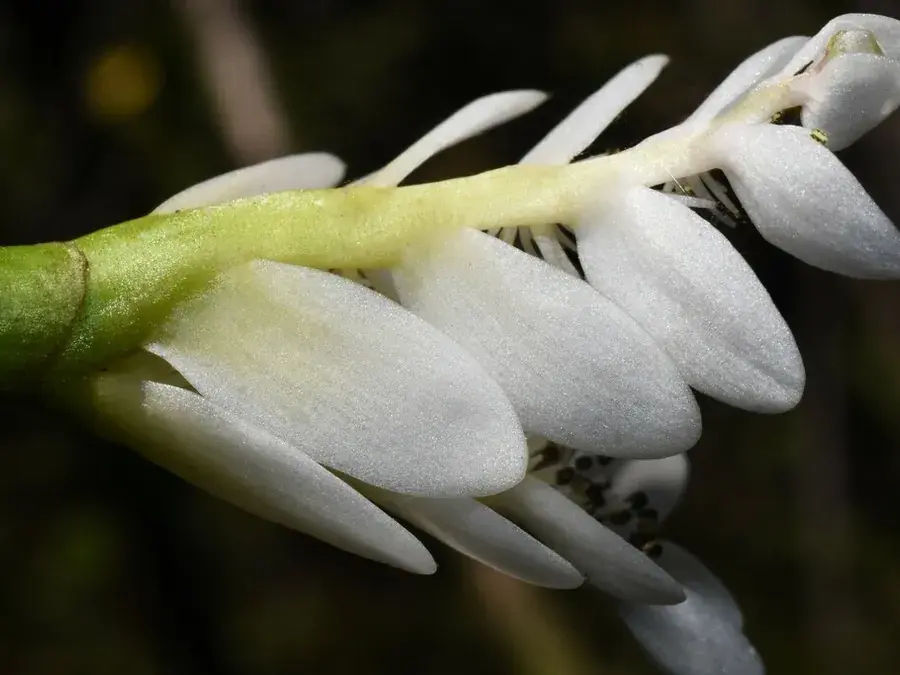 GreenJune – October
Waterblommetjie (Cape pondweed)
Aponogeton distachyos
Long-stalked, narrow-oval leaves floating flat on the water, and above them forked white flower spikes shaped like a 'Y', each branch lined with white petal-like bracts and dark purple-brown stamens, sweetly scented. The plant dies back as the pools dry in summer and regrows with the autumn rain.
How to know it & its look-alikes →Photo: Gabriel Campbell-Martinez · CC BY 4.0
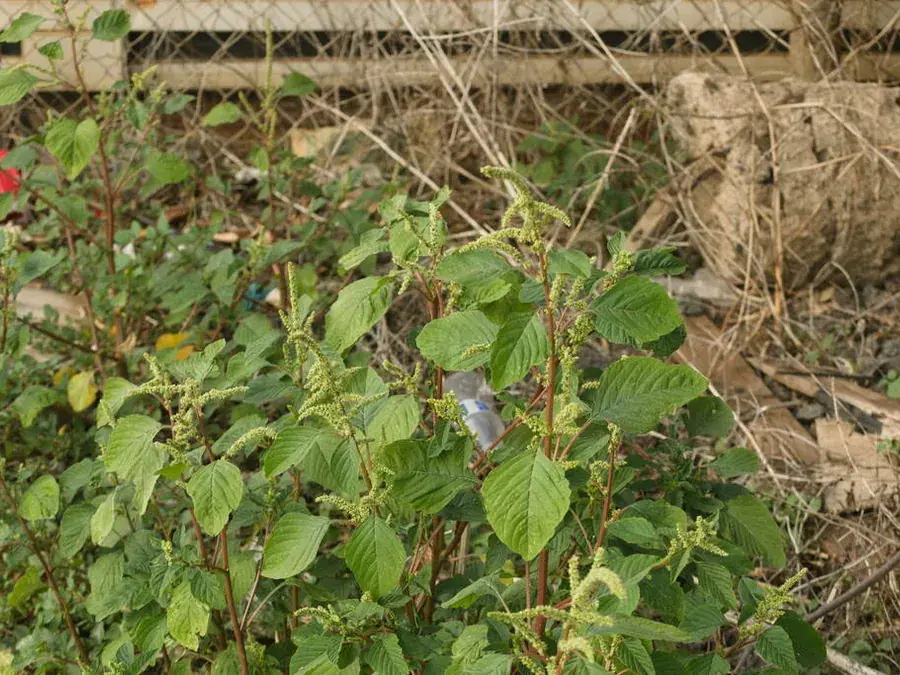 Has a dangerous look-alikeGreenMay – October
Amaranth greens (morogo, mchicha)
Amaranthus spp.
Upright or sprawling herbs, often with reddish stems, carrying alternate, oval to diamond-shaped, smooth-edged leaves on long stalks, and dense, bristly spikes of tiny green or reddish flowers at the top and in the leaf joints. No milky sap, no berries, no trumpet flowers. Spiny amaranth has a pair of sharp spines at each leaf base.
How to know it & its look-alikes →Photo: Kevin Faccenda · CC BY 4.0
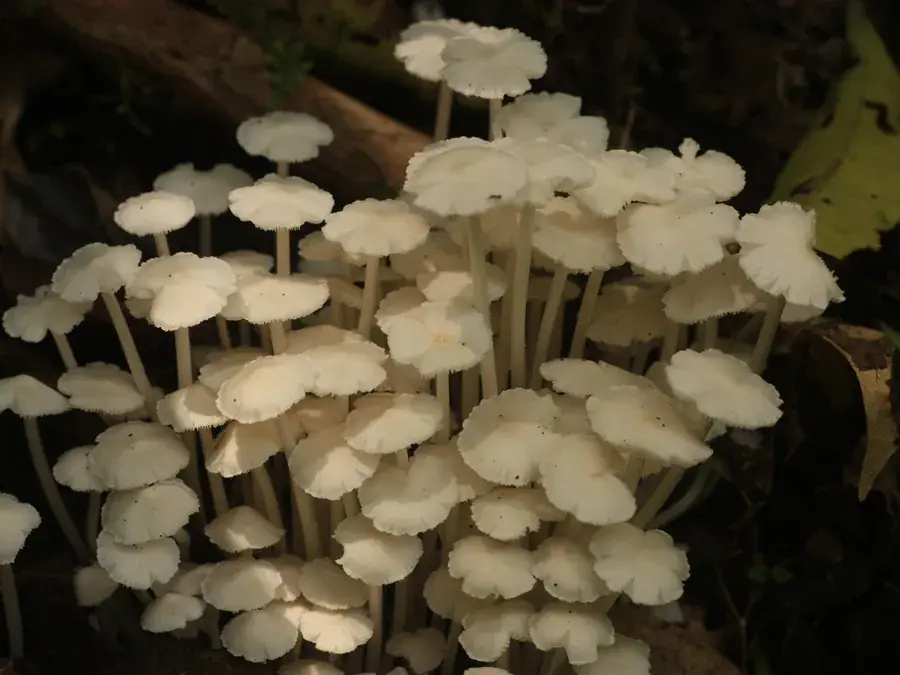 Has a dangerous look-alikeMushroomMay – October
Termite mushrooms (omajowa)
Termitomyces spp.
It grows out of a termite mound or the ground over a termite nest, never from wood. The cap usually has a pointed nipple at its centre, and the stem tapers into a long, tough root (pseudorhiza) that runs down — sometimes a metre or more — to the termites' fungus garden. Sizes run from a few centimetres (Termitomyces microcarpus, in crowds) to frying-pan caps of 15–40 cm (T. schimperi) and, in T. titanicus, up to a metre across.
How to know it & its look-alikes →Photo: madhavan a.p · CC BY 4.0
Checked against these sources ·
- SANBI PlantZAfrica — Adansonia digitata
- World Agroforestry (ICRAF) Agroforestree Database — Adansonia digitata
- Access Agriculture — Proper handling of baobab fruits at harvest
- Government Gazette 30183 (2007) — National Forests Act exemptions for protected trees
Seasons are typical for the middle of the range and move by weeks north and south, and up and down hills.
Educational information only. Never eat a wild plant or mushroom identified from a single photograph or description — confirm with a regional field guide or an experienced forager, and know the poisonous species in your area first.