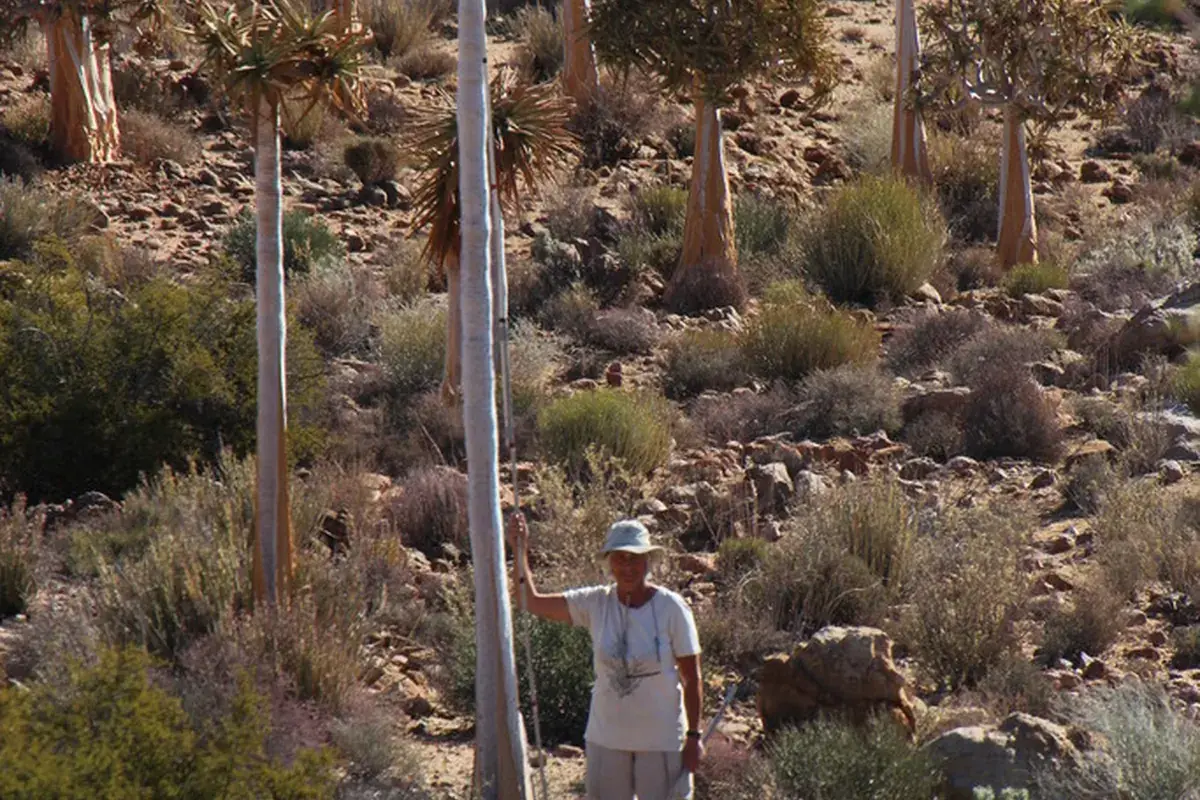
 Quiver tree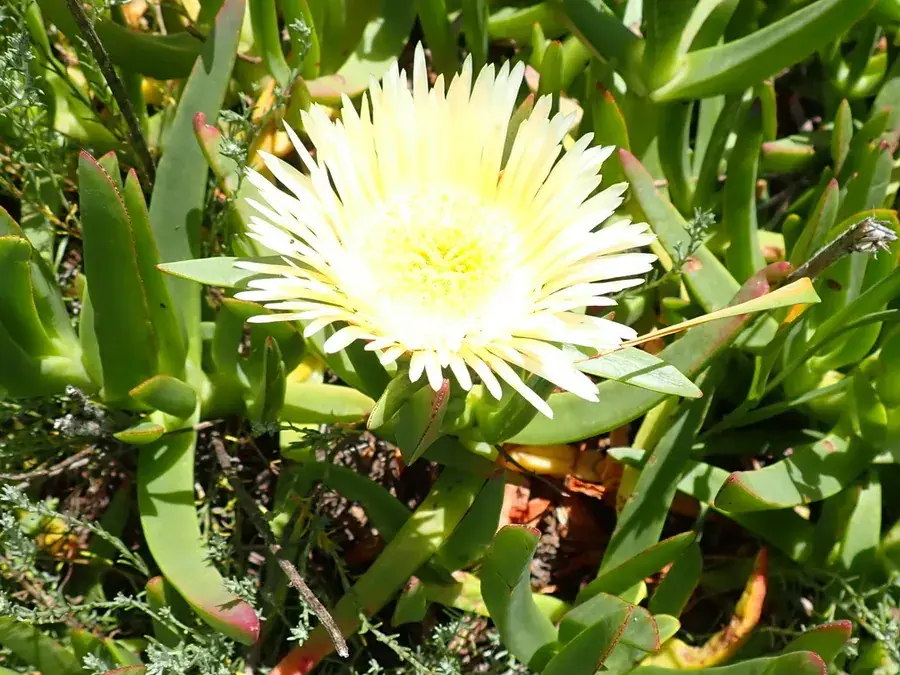
Photos: Tony Rebelo (CC BY-SA 4.0) · Lukas Zangl (CC BY 4.0) · Nicola van Berkel (CC BY-SA 4.0) on iNaturalist.
Deserts and xeric shrublands · Zones 8–11
Namib, Kalahari & Karoo
The dry west of southern Africa: the fog desert of the Namib, the red sands of the Kalahari and the vast, quiet Karoo.
Dunes and gravel plains, succulent shrubland, quiver trees and welwitschia, salt pans, and farms around every windpump.
Get your local guide
Places in this region
Gardening
Water decides everything: shaded, mulched beds and drip lines; summer crops after frost on the inland plateau, hardy greens and onions in winter.
About gardening guides →Fishing
Kob, galjoen and steenbras from the Atlantic beaches; catfish, carp and bass in the Orange River and the dams.
About fishing guides →Foraging
Kalahari truffles after good rain, wild melons (tsamma), and succulent veld foods known to San and Nama tradition — many are protected.
About foraging guides →In season now · October
What you can pick right now
6 wild edibles typically ready in October in the Namib, Kalahari & Karoo. Seasons shift a week or two with the weather — check each one before you go.
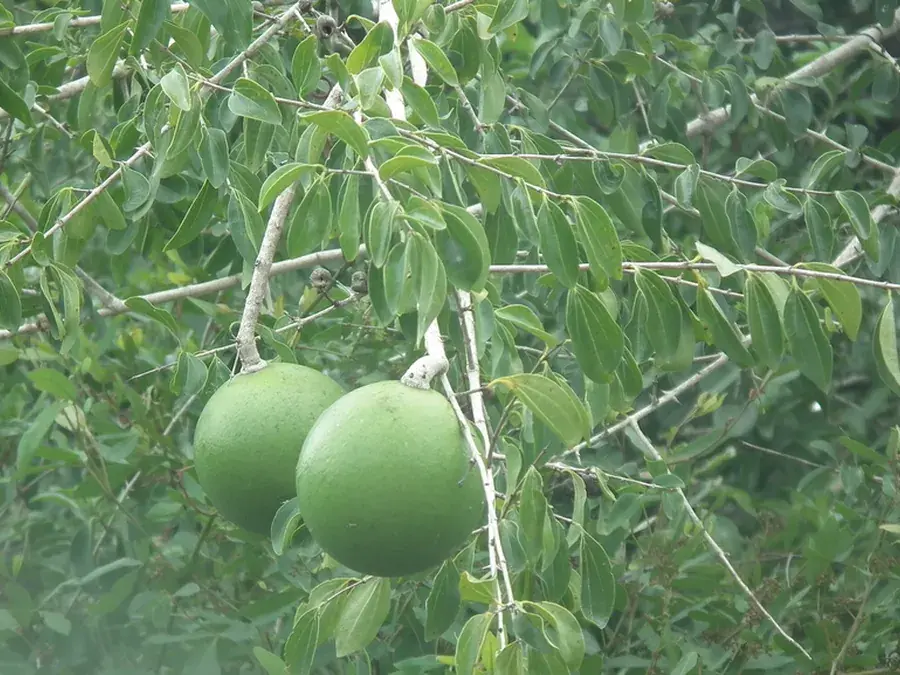 FruitMay – October
Monkey orange (green monkey orange)
Strychnos spinosa
A small, often spiny tree with opposite, rounded, glossy leaves showing three to five veins running from the base. The fruit is large, round and hard, with a woody shell that turns from green (often speckled) to yellow as it ripens; inside, many hard brown seeds packed in sweet-sour, brown, edible pulp.
How to know it & its look-alikes →Photo: Shaun Swanepoel · CC BY 4.0
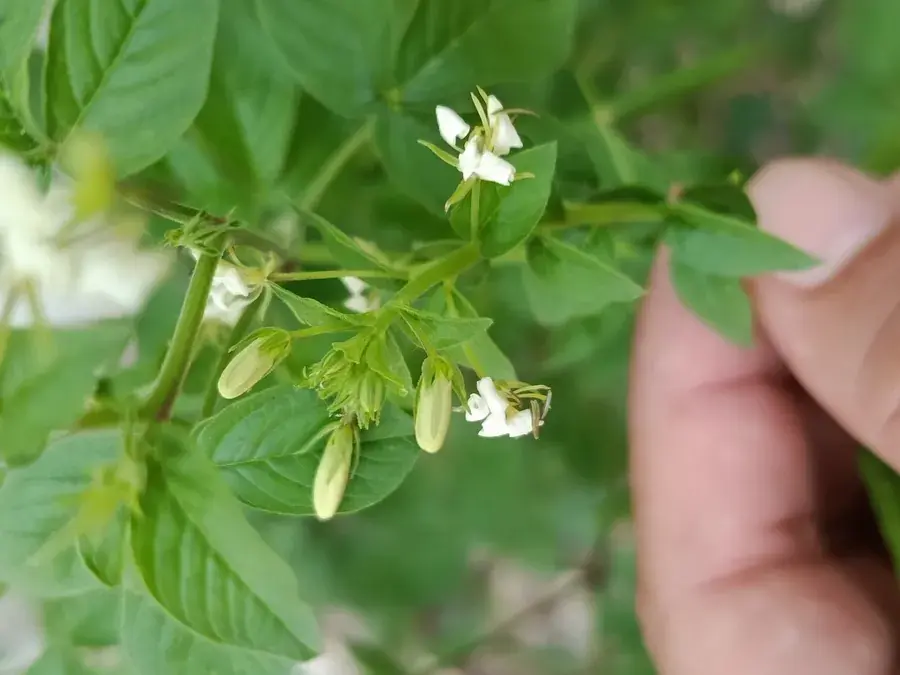 GreenOctober – March
Spider plant (cat's whiskers)
Cleome gynandra
An upright, branching annual up to about 1.5 m with a sticky, glandular stem and a strong smell. Leaves are hand-shaped, of three to seven (usually five) finely toothed leaflets. The flowers are white or purple-tinged with four clawed petals, and the purple stamens and the ovary are held out on a long stalk well beyond the petals — the cat's whiskers. Pods are long, thin and beaked.
How to know it & its look-alikes →Photo: Arturo Benavides Mendoza · CC BY 4.0
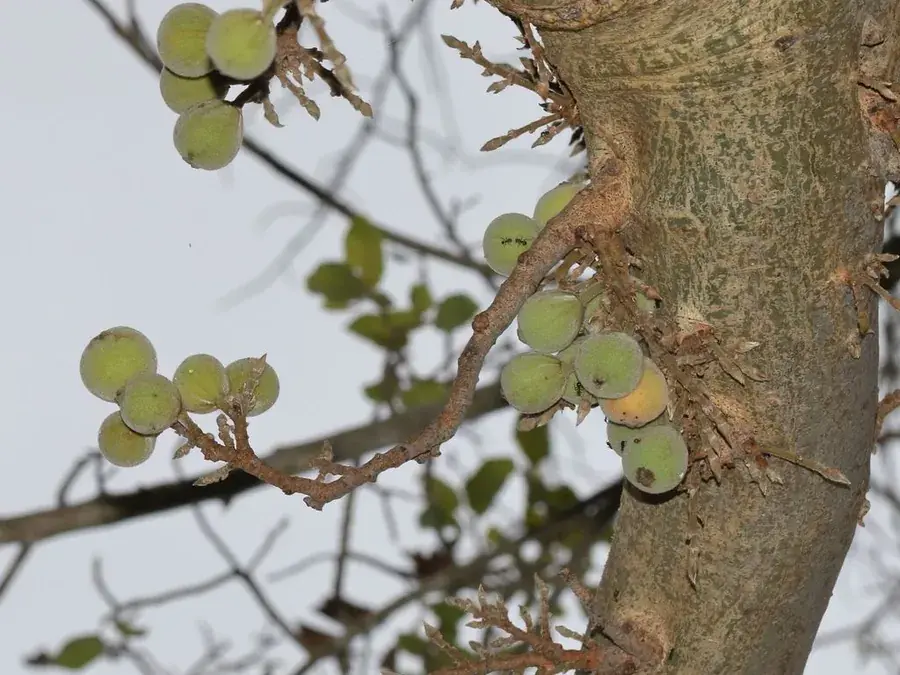 FruitJanuary – December
Sycamore fig
Ficus sycomorus
A big, spreading tree with yellowish to orange bark that peels in papery strips, and rough, heart-shaped leaves with prominent yellow veins beneath. The figs, 2–3 cm (about 1 in) across, grow in thick clusters on short leafless branchlets from the trunk and main branches and ripen from greenish-buff to yellow or reddish. Broken twigs bleed milky latex.
How to know it & its look-alikes →Photo: Alan Manson · CC BY 4.0
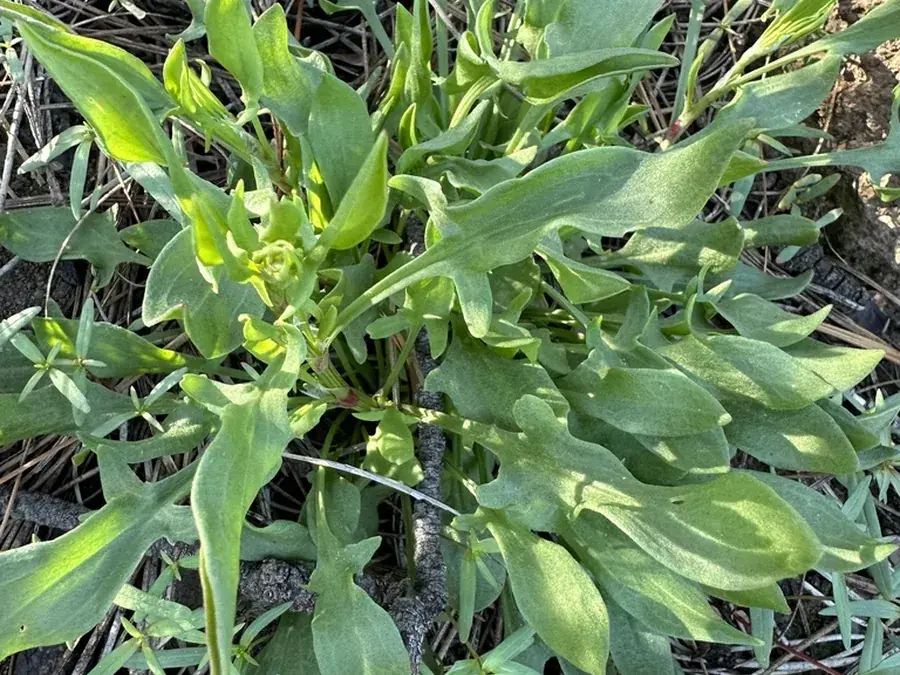 GreenOctober – March
Sheep sorrel
Rumex acetosella
Small arrow-shaped leaves with two backward-pointing lobes at the base, on a wiry reddish stem. Sharply lemony taste.
How to know it & its look-alikes →Photo: Kieran Hanrahan · CC BY 4.0
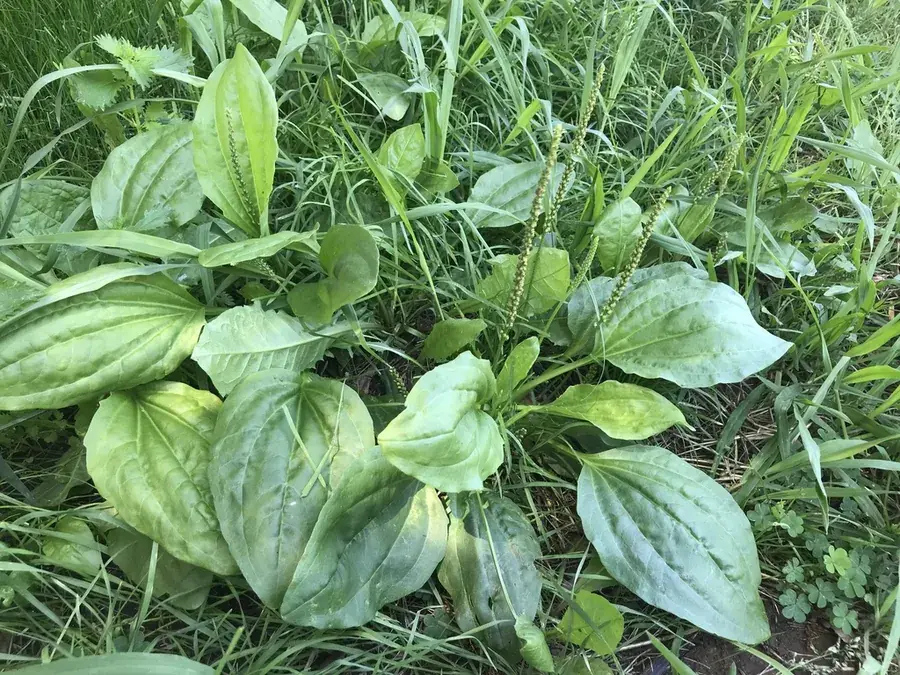 GreenOctober – April
Broadleaf plantain
Plantago major
A flat rosette of broad oval leaves with five or more deep parallel veins running end to end, and a narrow greenish flower spike. Tear a leaf slowly and the veins pull out as tough strings.
How to know it & its look-alikes →Photo: lemonsnapp · CC BY 4.0
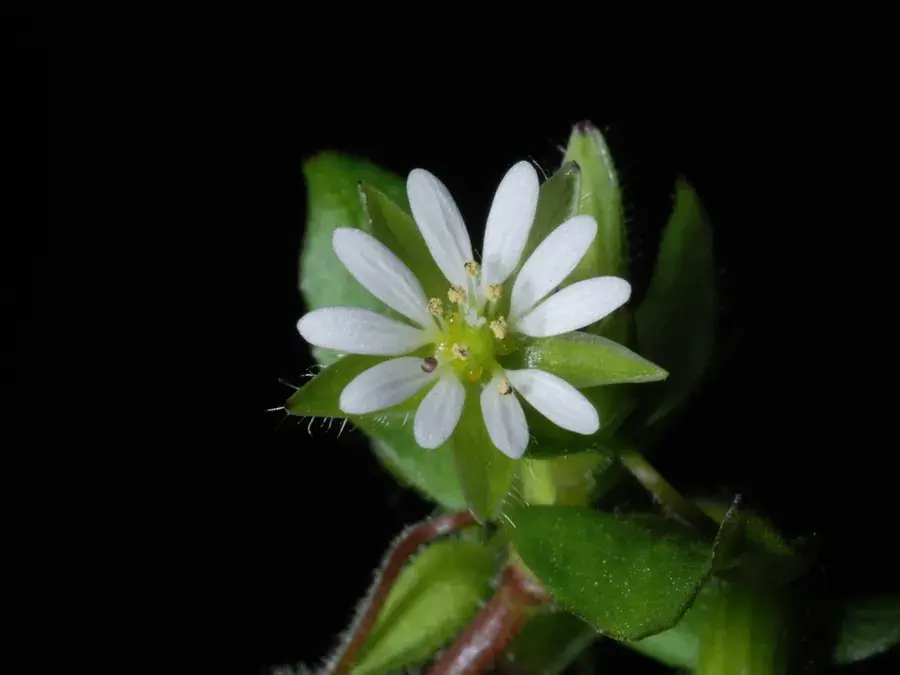 GreenApril – November
Chickweed
Stellaria media
Sprawling mats with small opposite oval leaves and a single line of fine hairs running up one side of the stem, switching sides at each leaf pair. Stretch the stem: an elastic inner core.
How to know it & its look-alikes →Photo: Douglas Goldman · CC BY-SA 4.0
Photographs are research-grade observations from iNaturalist, each credited to its photographer. They show a typical specimen, not every variation — never identify from a photo alone. Confirm with a regional field guide or an experienced forager before you eat anything wild.
In the water now · October
What's biting
The sport fish active in the Namib, Kalahari & Karoo in October — where they hold, how to know one on the line, and the tactic that usually works. Check your licence and the current limits before you go.
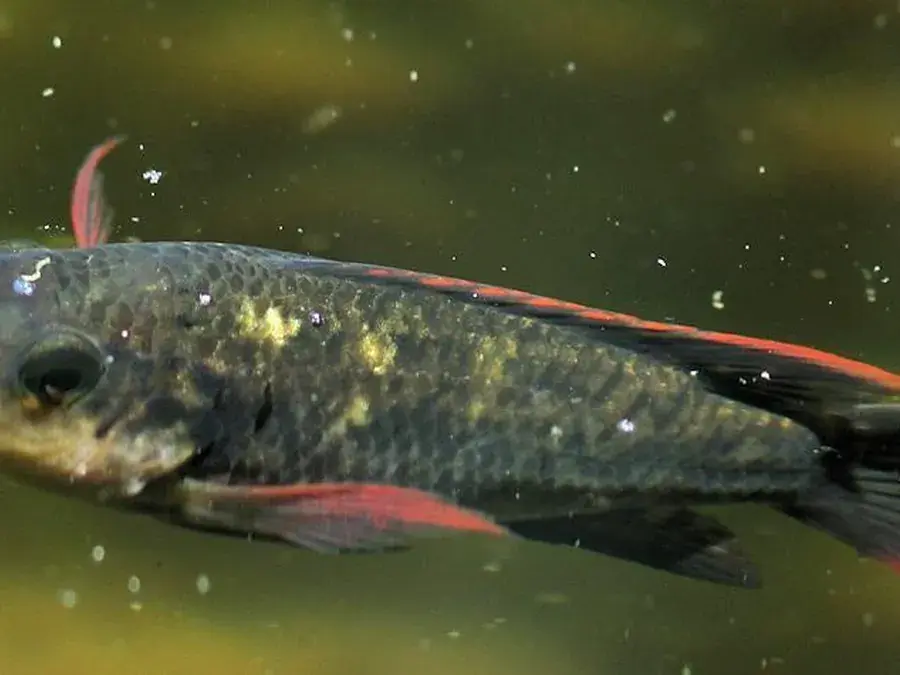 FishSep–Apr
Mozambique tilapia (blue kurper)
Oreochromis mossambicus
Deep-bodied and dull silvery-olive with a few dark blotches along the side and no regular stripes on the tail. Breeding males turn black with a white throat, red-edged fins and a pointed, duck-bill snout.
Where and how to catch it →Photo: Wynand Uys · CC BY 4.0
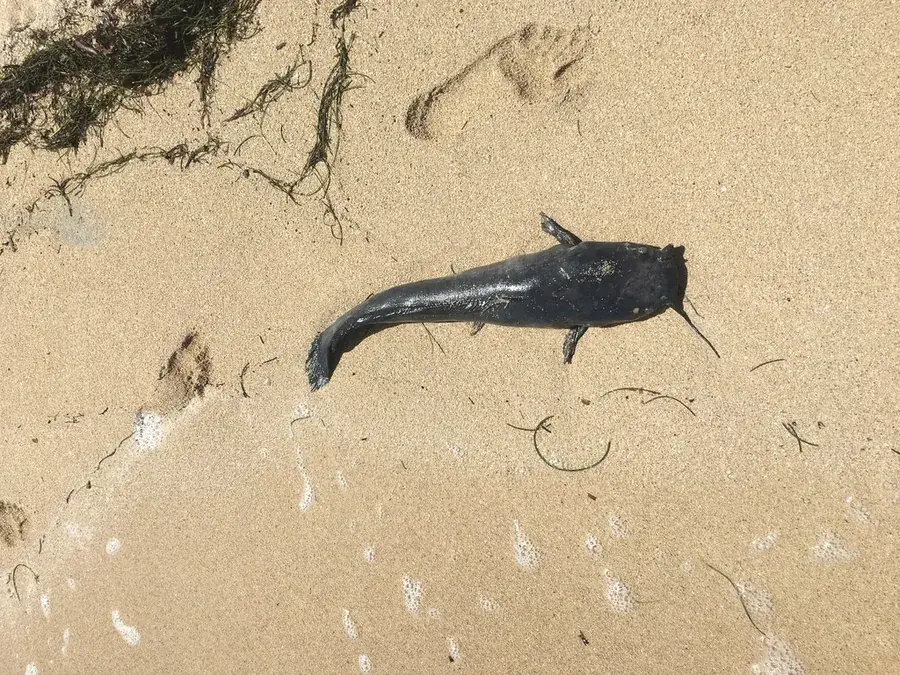 FishSep–Apr
Sharptooth catfish (barbel)
Clarias gariepinus
A long, eel-like body, a flat bony head, four pairs of whiskers, and one very long dorsal fin with no small fatty fin behind it. Dark grey to olive above, white below.
Where and how to catch it →Photo: Lukas Zangl · CC BY 4.0
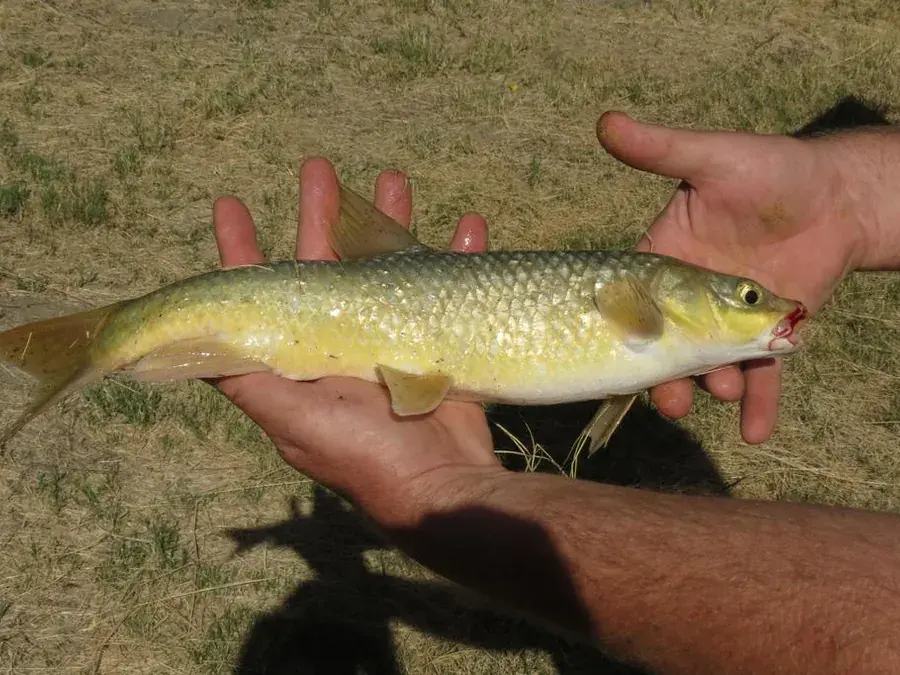 FishMar–May, Sep–Nov
Smallmouth yellowfish
Labeobarbus aeneus
A big, streamlined, bronze-gold barb with large scales, golden fins and a small mouth.
Where and how to catch it →Photo: Brian du Preez · CC BY-SA 4.0
Photographs are research-grade observations from iNaturalist, each credited to its photographer. Ranges and timing are typical, not guaranteed — 87 species are covered across North America, Europe and Africa.
In the garden now · October
Who else is working the garden
The insects and soil life out in the Namib, Kalahari & Karoo in October. Most of them are on your side — learn the few that aren't before you reach for anything.
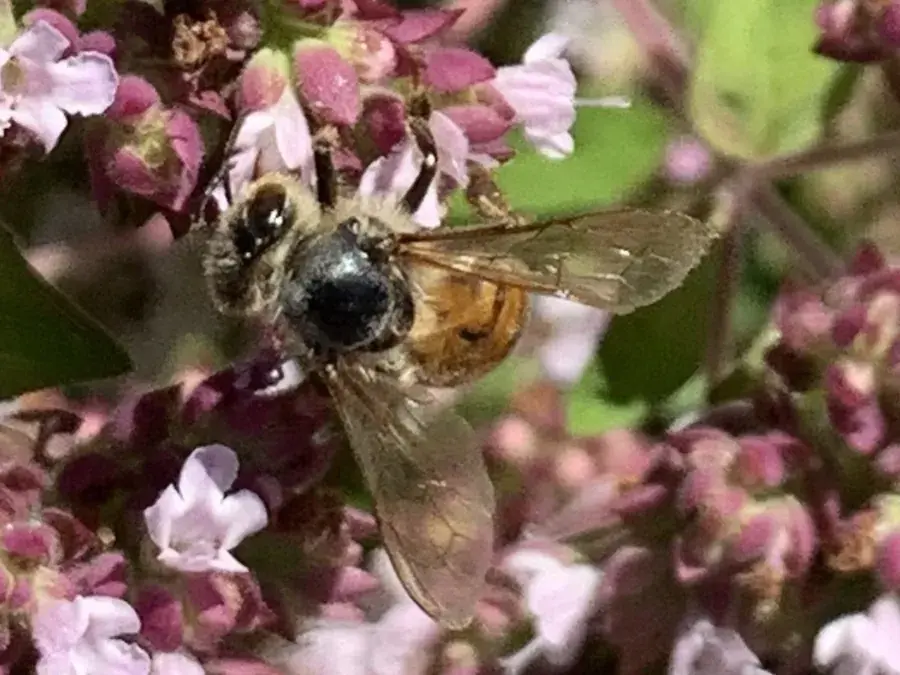 PollinatorSep–Apr
Honey bee
Apis mellifera
Golden-brown, banded, furry thorax, and pollen packed onto the hind legs in visible baskets.
What it does in the garden →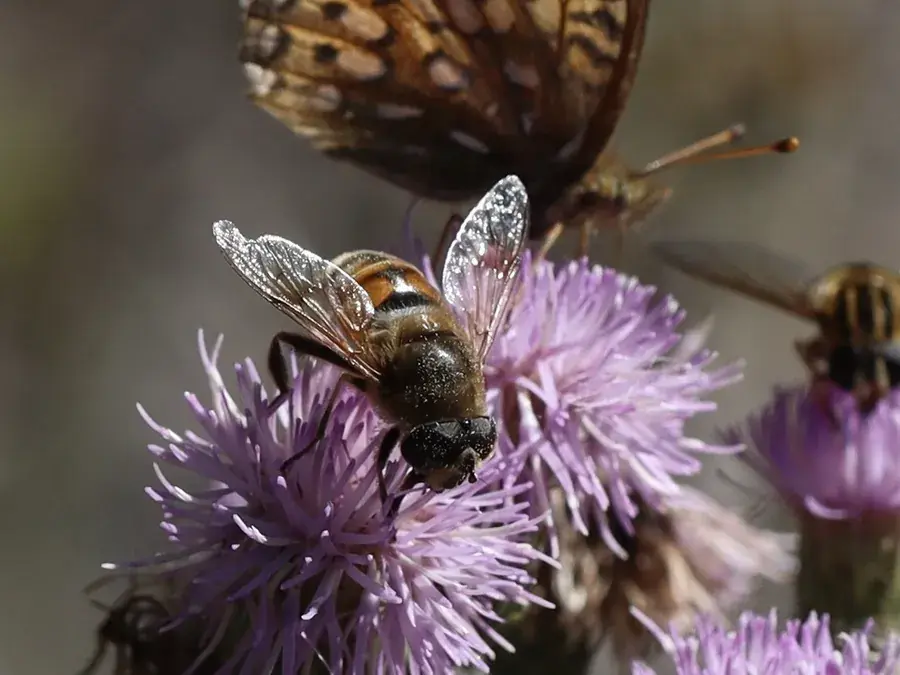 PollinatorOct–Mar
Hoverfly
Syrphidae
Wasp-striped but a true fly: two wings not four, huge eyes, and it hovers dead still in mid-air.
What it does in the garden →Photo: Anne Parker · CC BY 4.0
 BeneficialOct–Apr
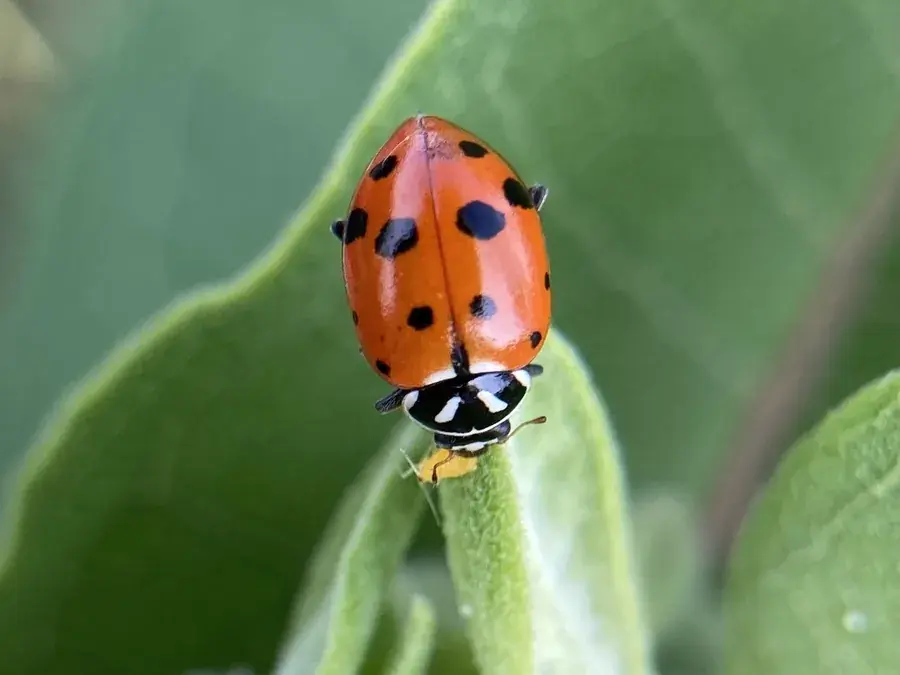
Lady beetle
Coccinellidae
The adult everyone knows; the larva is the useful one — a spiky, alligator-shaped grey-and-orange creature that looks like a pest.
What it does in the garden →
Photographs are research-grade observations from iNaturalist, each credited to its photographer. Ranges and timing are typical, not guaranteed — 87 species are covered across North America, Europe and Africa.
The weekly note for the Namib, Kalahari & Karoo
Enter your email and we'll tune it to your area once you look up a location.
Try it
Why Namib, Kalahari & Karoo looks the way it does
Warmth and rain decide what can live in a place. The dial starts on the kind of land closest to this region — turn it warmer, colder, wetter or drier and see what would grow instead.
Desert
Like Arizona
Hot and very dry: hardly any rain — a cactus stores water inside itself, and lizards and jackrabbits hide from the midday heat.
Warmth and rain decide what can live in a place. They decide which plants can grow, and the plants decide which animals can live there.
Say it like this
- Age 2“Brrr, cold! Now make it hot. Now make it rain!”
- Age 4“Cold and dry makes tundra. Can you make a desert? Who lives there?”
- Age 6“Why can't a cactus grow in the rainforest, or a moose live in the desert? Warmth and rain decide what can live in a place.”
Go outside: Put a cup outside to catch the rain this week, and look at the thermometer each morning. Is your place warm or cool, wet or dry?
For Kids · The land and the sky