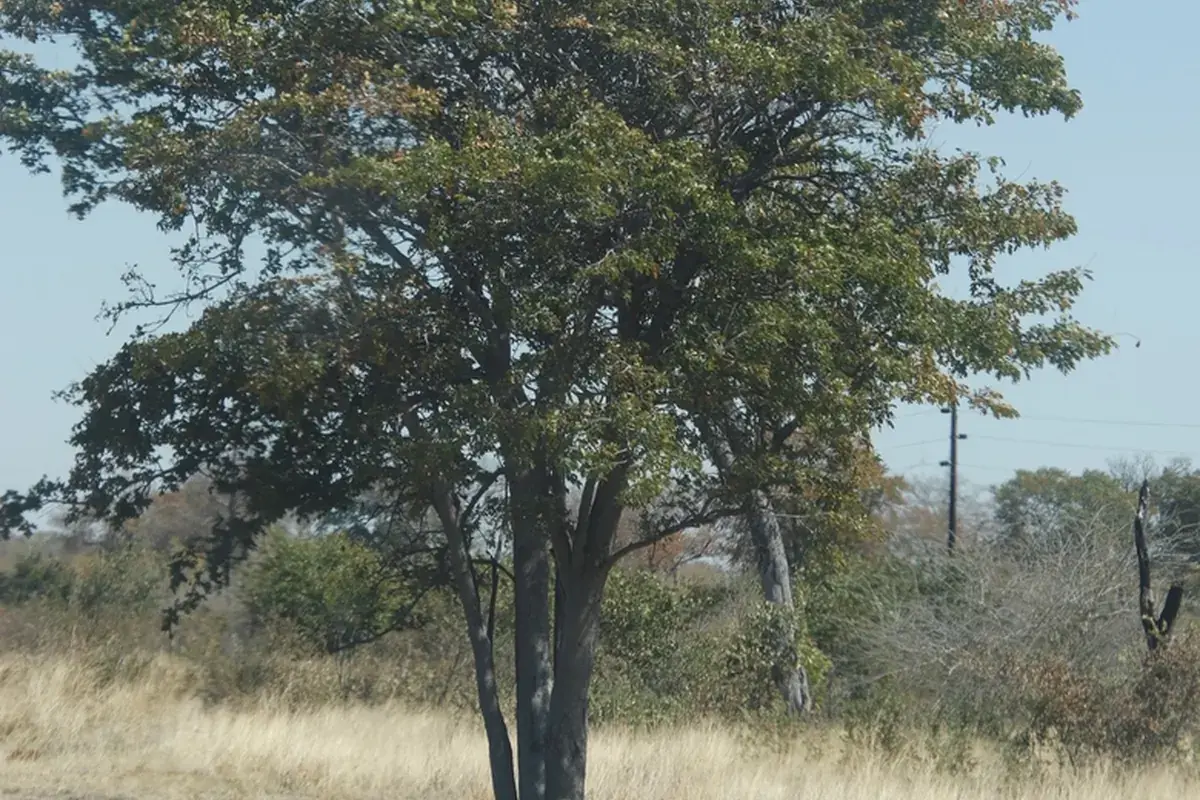
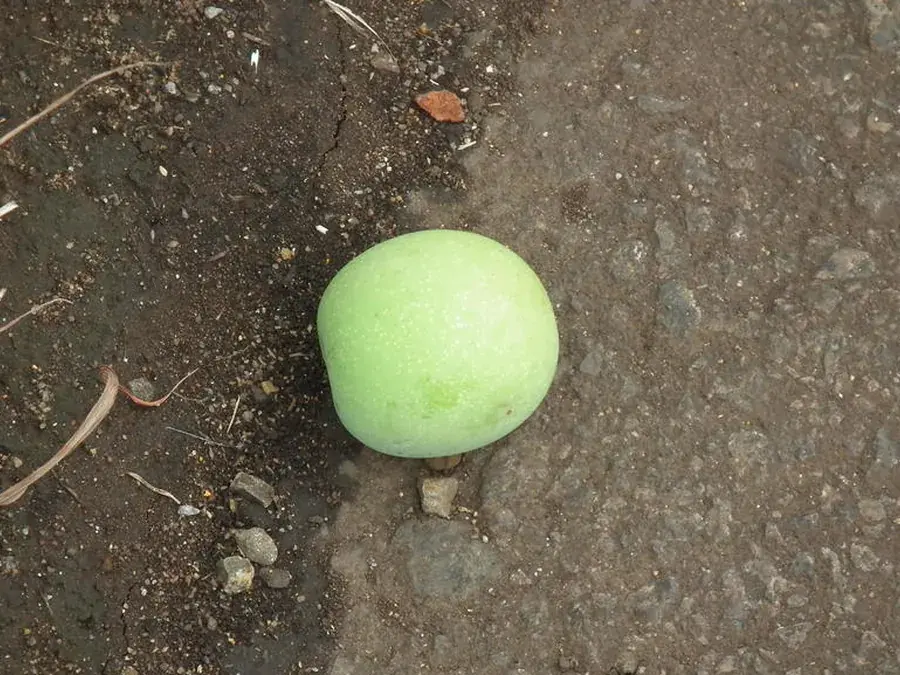
Photos: Tony Rebelo (CC BY-SA 4.0) · Public domain (iNaturalist) (CC0) · Shaun Swanepoel (CC BY 4.0) on iNaturalist.
Tropical and subtropical savannas and woodlands · Zones 9–12
Southern Savanna & Subtropical Coast
Miombo and mopane woodland, bushveld and big-game savanna from Angola and Zambia to Mozambique and South Africa's warm east coast — summer rain, dry winters.
Open woodland and savanna, granite kopjes, big rivers (the Zambezi, the Limpopo), Lake Malawi and Kariba, and a lush subtropical coast in KwaZulu-Natal.
Get your local guide
Places in this region
Gardening
Plant with the summer rains (November–March): maize, beans, groundnuts, pumpkins, sweet potatoes and greens; winter (May–August) is dry and cool, frosty on the plateau.
About gardening guides →Fishing
Tigerfish, bream (tilapia) and catfish in the Zambezi, Kariba and the Okavango; largemouth bass in dams; kob, shad and garrick along the coast.
About fishing guides →Foraging
Marula, baobab and monkey orange fruit, mopane worms, wild figs, amaranth (morogo) greens and termite-mound mushrooms after the first rains.
About foraging guides →In season now · October
What you can pick right now
8 wild edibles typically ready in October in the Southern Savanna & Subtropical Coast. Seasons shift a week or two with the weather — check each one before you go.
 FruitJune – October
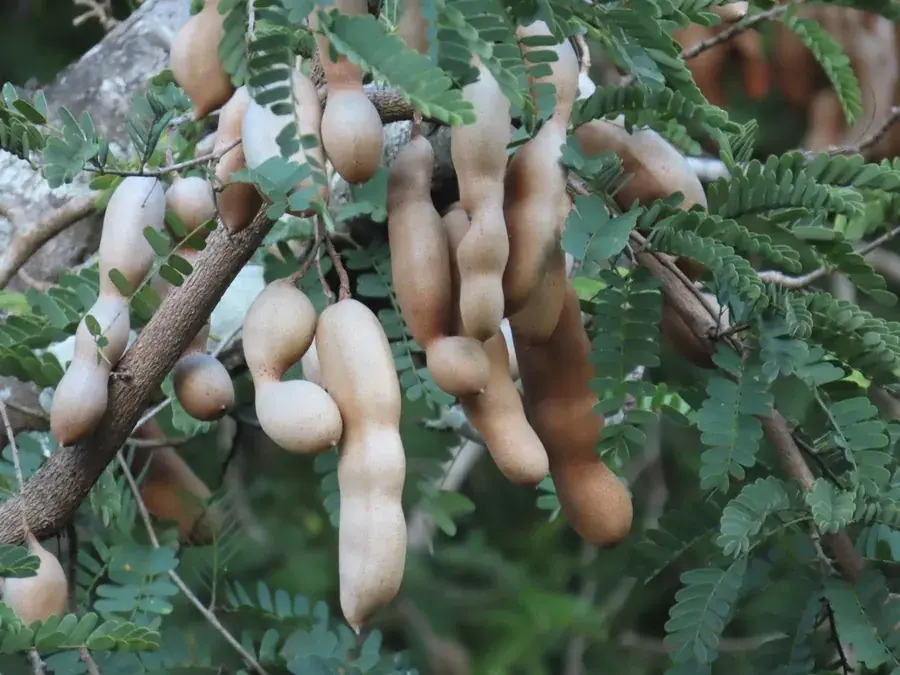
Tamarind
Tamarindus indica
A big, dense, evergreen tree with feathery leaves of many small paired leaflets (no single leaflet at the tip) and small yellow flowers streaked with orange or red. The fruit is a brown, slightly curved pod with a thin, brittle shell over sticky, brown, sweet-sour pulp and one to six glossy brown seeds; African pods are the short kind.
How to know it & its look-alikes →Photo: Maria Janeiro · CC BY 4.0
 FruitMay – October
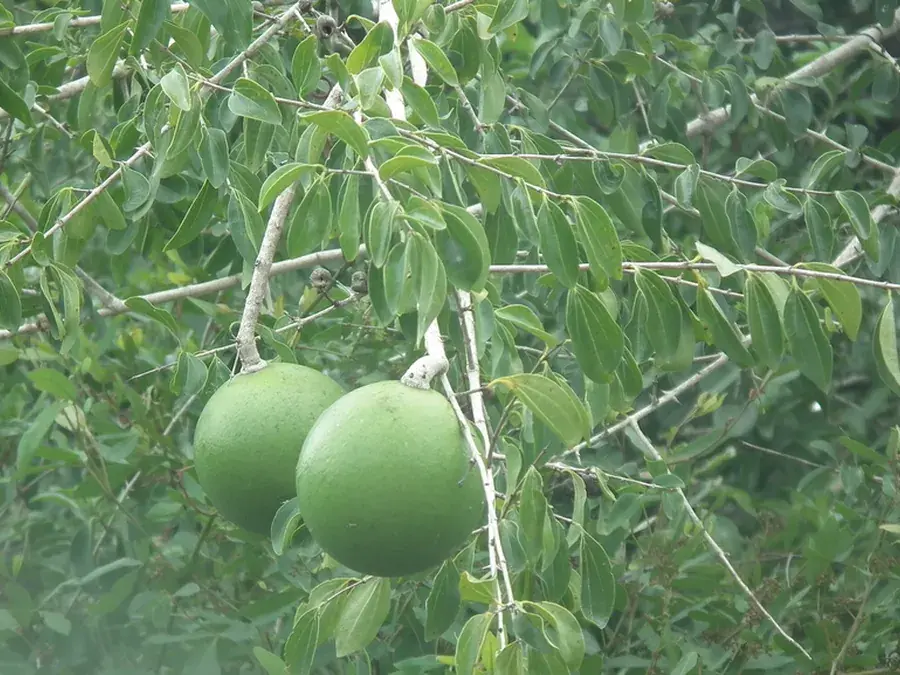
Monkey orange (green monkey orange)
Strychnos spinosa
A small, often spiny tree with opposite, rounded, glossy leaves showing three to five veins running from the base. The fruit is large, round and hard, with a woody shell that turns from green (often speckled) to yellow as it ripens; inside, many hard brown seeds packed in sweet-sour, brown, edible pulp.
How to know it & its look-alikes →Photo: Shaun Swanepoel · CC BY 4.0
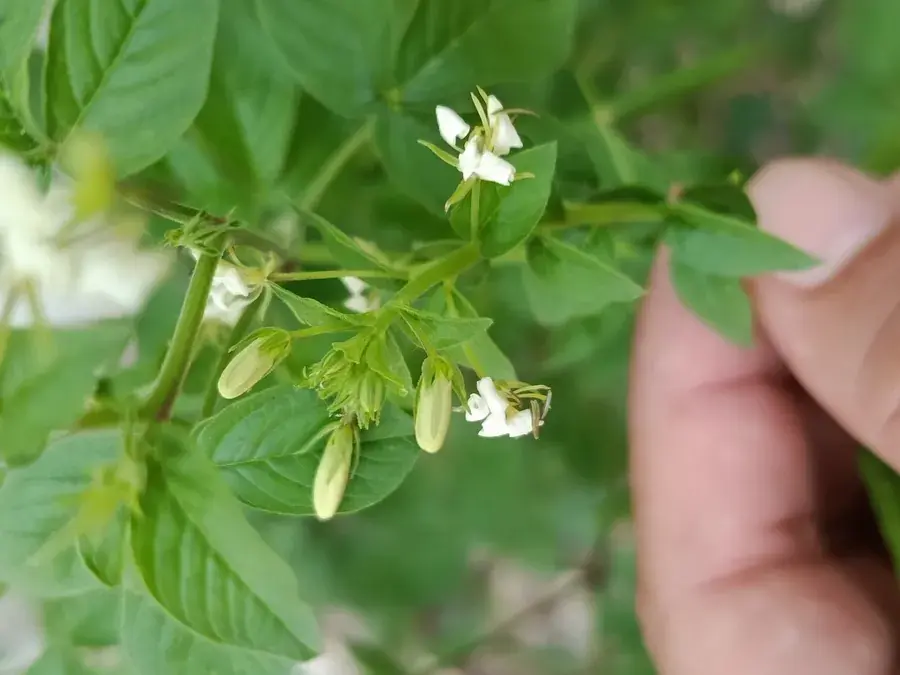 GreenOctober – March
Spider plant (cat's whiskers)
Cleome gynandra
An upright, branching annual up to about 1.5 m with a sticky, glandular stem and a strong smell. Leaves are hand-shaped, of three to seven (usually five) finely toothed leaflets. The flowers are white or purple-tinged with four clawed petals, and the purple stamens and the ovary are held out on a long stalk well beyond the petals — the cat's whiskers. Pods are long, thin and beaked.
How to know it & its look-alikes →Photo: Arturo Benavides Mendoza · CC BY 4.0
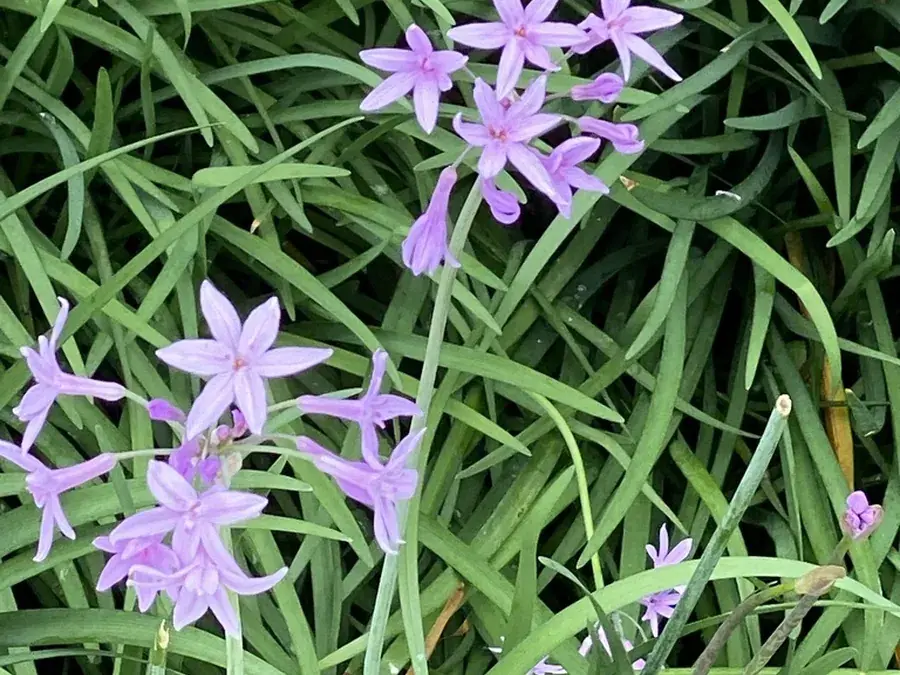 Has a dangerous look-alikeGreenSeptember – April
Wild garlic (Tulbaghia)
Tulbaghia violacea
Clumps of narrow, grey-green, strap-like leaves up to about 60 cm (2 ft), and on bare stalks above them loose heads of tubular lilac-mauve flowers from midsummer into autumn. Leaves and flowers smell strongly of garlic when bruised — and that smell is the test.
How to know it & its look-alikes →Photo: Gary Rogers · CC BY 4.0
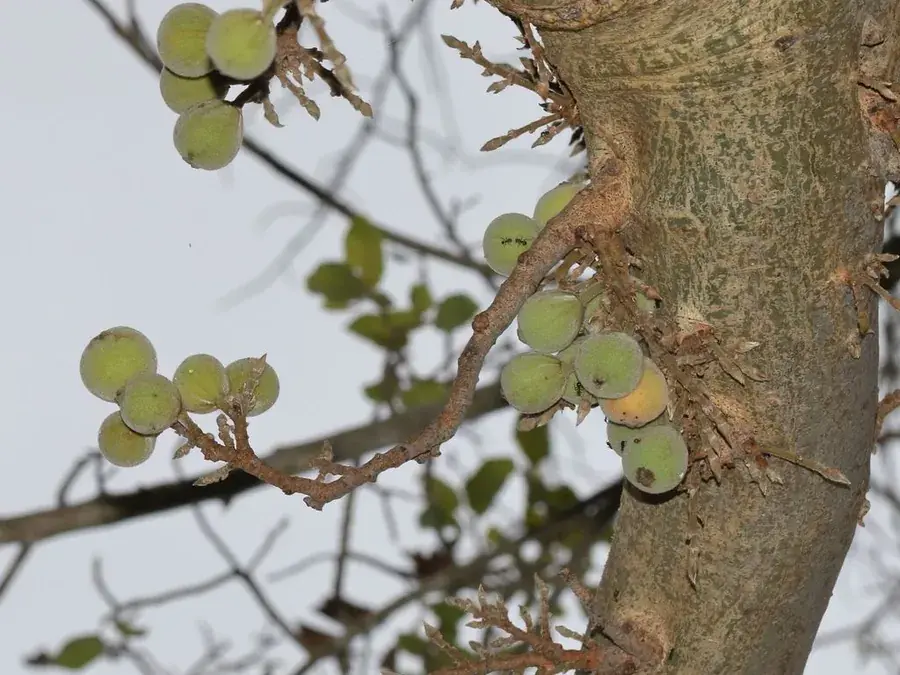 FruitJanuary – December
Sycamore fig
Ficus sycomorus
A big, spreading tree with yellowish to orange bark that peels in papery strips, and rough, heart-shaped leaves with prominent yellow veins beneath. The figs, 2–3 cm (about 1 in) across, grow in thick clusters on short leafless branchlets from the trunk and main branches and ripen from greenish-buff to yellow or reddish. Broken twigs bleed milky latex.
How to know it & its look-alikes →Photo: Alan Manson · CC BY 4.0
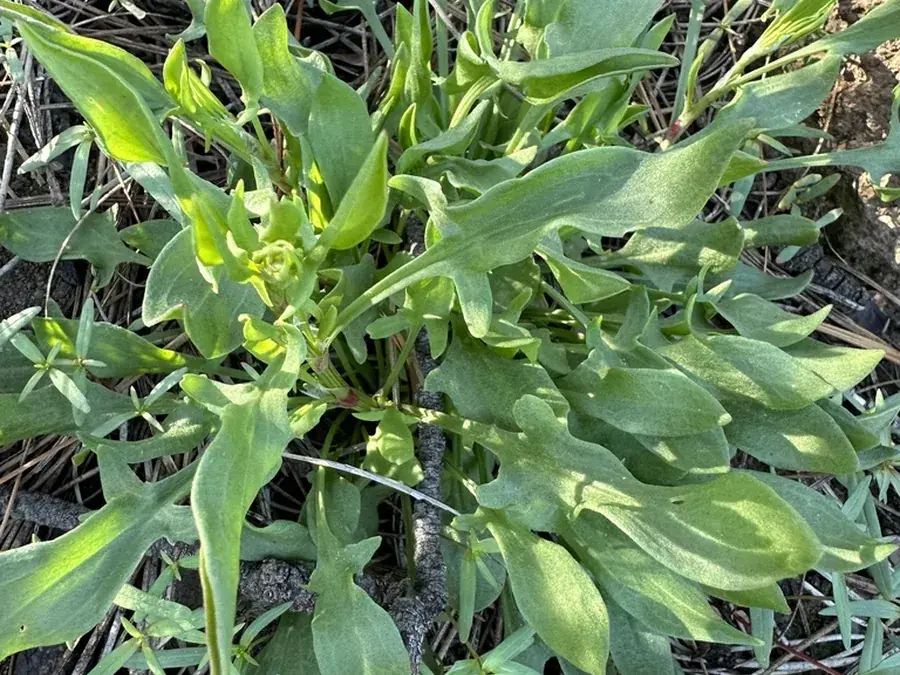 GreenOctober – March
Sheep sorrel
Rumex acetosella
Small arrow-shaped leaves with two backward-pointing lobes at the base, on a wiry reddish stem. Sharply lemony taste.
How to know it & its look-alikes →Photo: Kieran Hanrahan · CC BY 4.0
2 more in season here — see the full foraging calendar →
Photographs are research-grade observations from iNaturalist, each credited to its photographer. They show a typical specimen, not every variation — never identify from a photo alone. Confirm with a regional field guide or an experienced forager before you eat anything wild.
In the water now · October
What's biting
The sport fish active in the Southern Savanna & Subtropical Coast in October — where they hold, how to know one on the line, and the tactic that usually works. Check your licence and the current limits before you go.
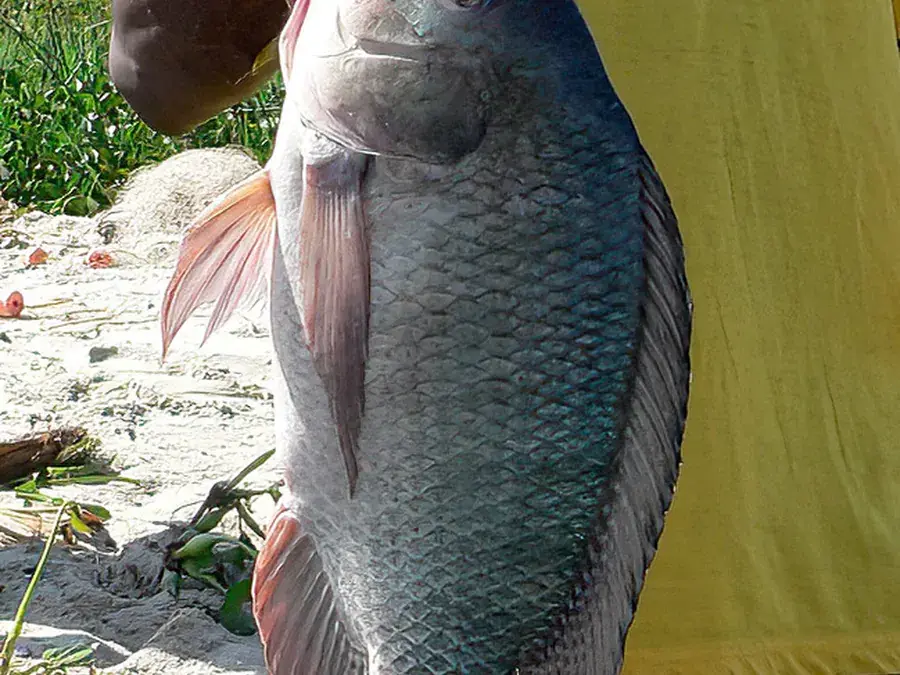 FishYear-round
Nile tilapia
Oreochromis niloticus
Deep-bodied and grey-brown with faint bars, and the tell: regular dark vertical stripes right across the tail fin. Breeding males turn reddish, especially on the fins.
Where and how to catch it →Photo: Pål A. Olsvik · CC BY 4.0
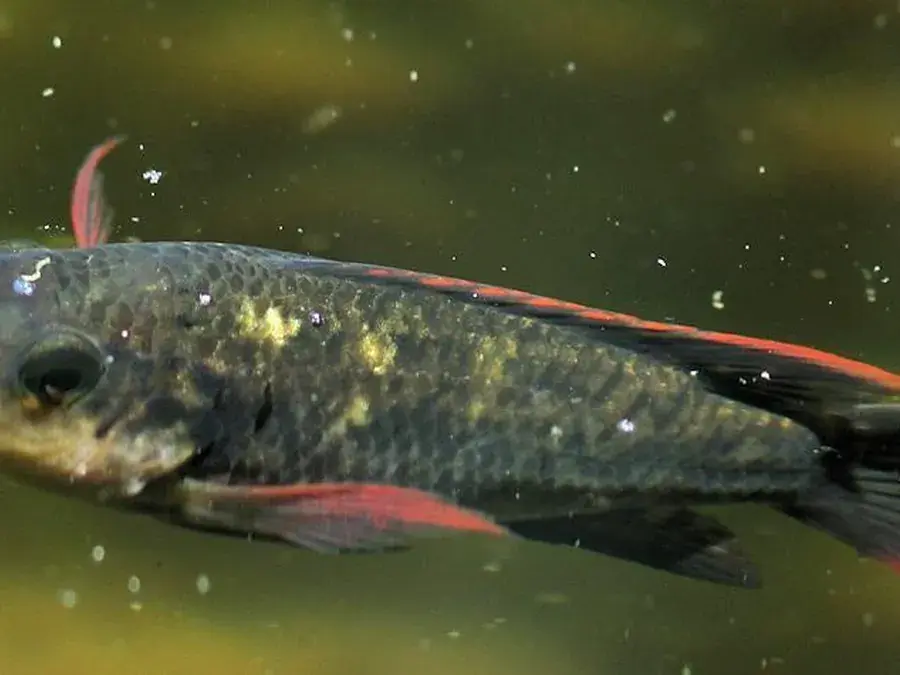 FishSep–Apr
Mozambique tilapia (blue kurper)
Oreochromis mossambicus
Deep-bodied and dull silvery-olive with a few dark blotches along the side and no regular stripes on the tail. Breeding males turn black with a white throat, red-edged fins and a pointed, duck-bill snout.
Where and how to catch it →Photo: Wynand Uys · CC BY 4.0
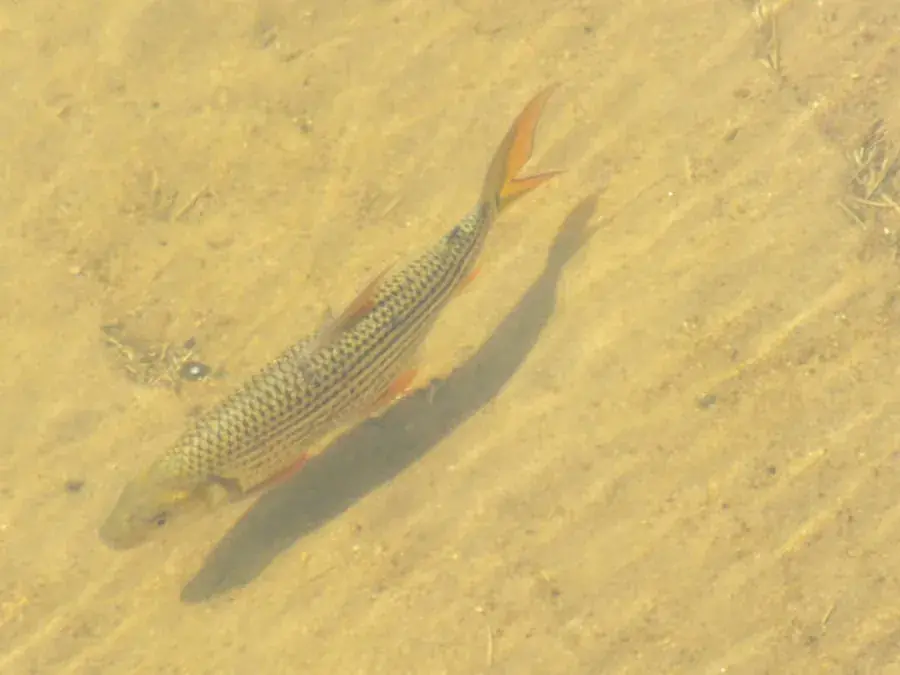 FishYear-round
Tigerfish
Hydrocynus vittatus
Silver with dark horizontal stripes along the upper sides, a red-orange tail edged in black, and big fang-like teeth that overlap the jaws even with the mouth shut.
Where and how to catch it →
Photographs are research-grade observations from iNaturalist, each credited to its photographer. Ranges and timing are typical, not guaranteed — 87 species are covered across North America, Europe and Africa.
In the garden now · October
Who else is working the garden
The insects and soil life out in the Southern Savanna & Subtropical Coast in October. Most of them are on your side — learn the few that aren't before you reach for anything.
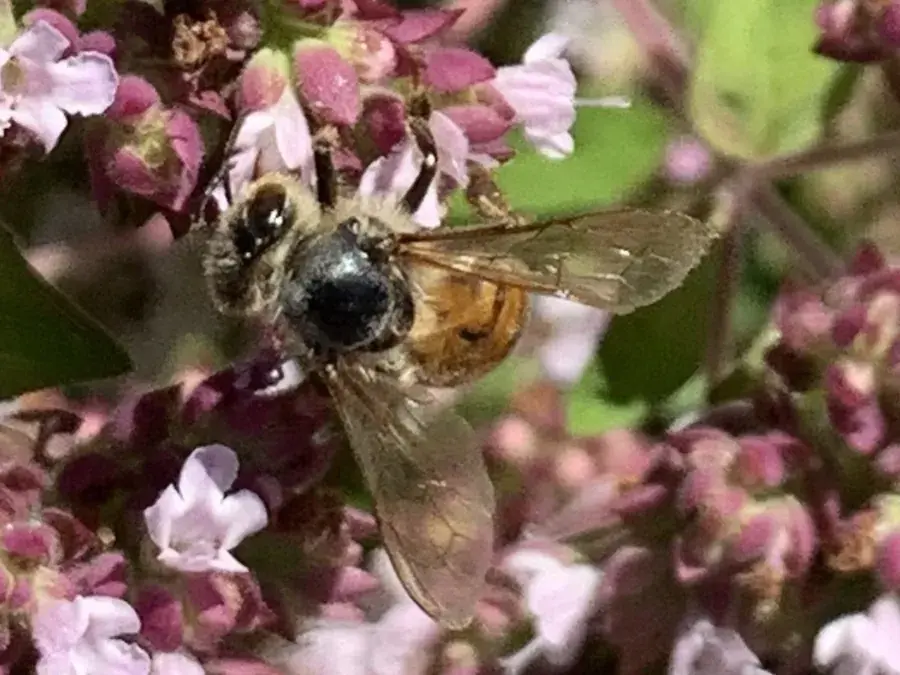 PollinatorSep–Apr
Honey bee
Apis mellifera
Golden-brown, banded, furry thorax, and pollen packed onto the hind legs in visible baskets.
What it does in the garden →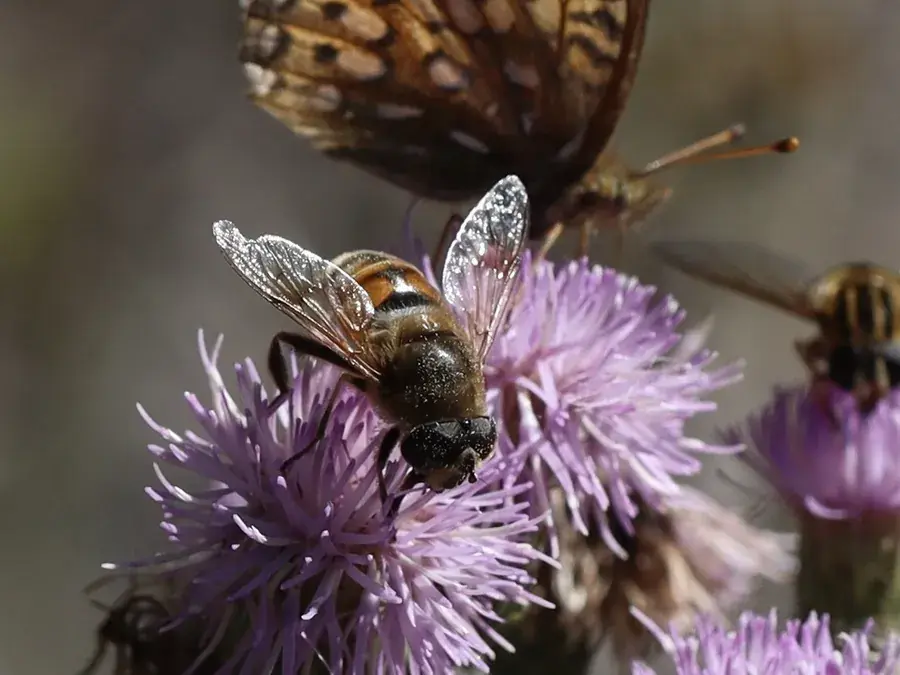 PollinatorOct–Mar
Hoverfly
Syrphidae
Wasp-striped but a true fly: two wings not four, huge eyes, and it hovers dead still in mid-air.
What it does in the garden →Photo: Anne Parker · CC BY 4.0
 BeneficialOct–Apr
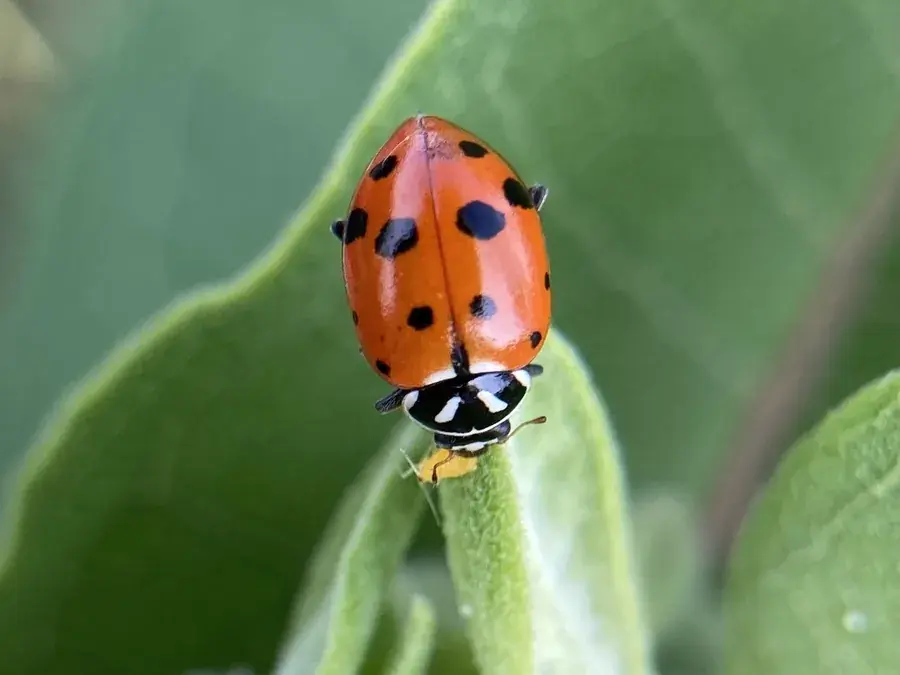
Lady beetle
Coccinellidae
The adult everyone knows; the larva is the useful one — a spiky, alligator-shaped grey-and-orange creature that looks like a pest.
What it does in the garden →
Photographs are research-grade observations from iNaturalist, each credited to its photographer. Ranges and timing are typical, not guaranteed — 87 species are covered across North America, Europe and Africa.
The weekly note for the Southern Savanna & Subtropical Coast
Enter your email and we'll tune it to your area once you look up a location.
Try it
Why Southern Savanna & Subtropical Coast looks the way it does
Warmth and rain decide what can live in a place. The dial starts on the kind of land closest to this region — turn it warmer, colder, wetter or drier and see what would grow instead.
Prairie grassland
Like Saskatchewan
Warm and dry: too dry for many trees, so grass grows as far as you can see — bison and meadowlarks live here.
Warmth and rain decide what can live in a place. They decide which plants can grow, and the plants decide which animals can live there.
Say it like this
- Age 2“Brrr, cold! Now make it hot. Now make it rain!”
- Age 4“Cold and dry makes tundra. Can you make a desert? Who lives there?”
- Age 6“Why can't a cactus grow in the rainforest, or a moose live in the desert? Warmth and rain decide what can live in a place.”
Go outside: Put a cup outside to catch the rain this week, and look at the thermometer each morning. Is your place warm or cool, wet or dry?
For Kids · The land and the sky