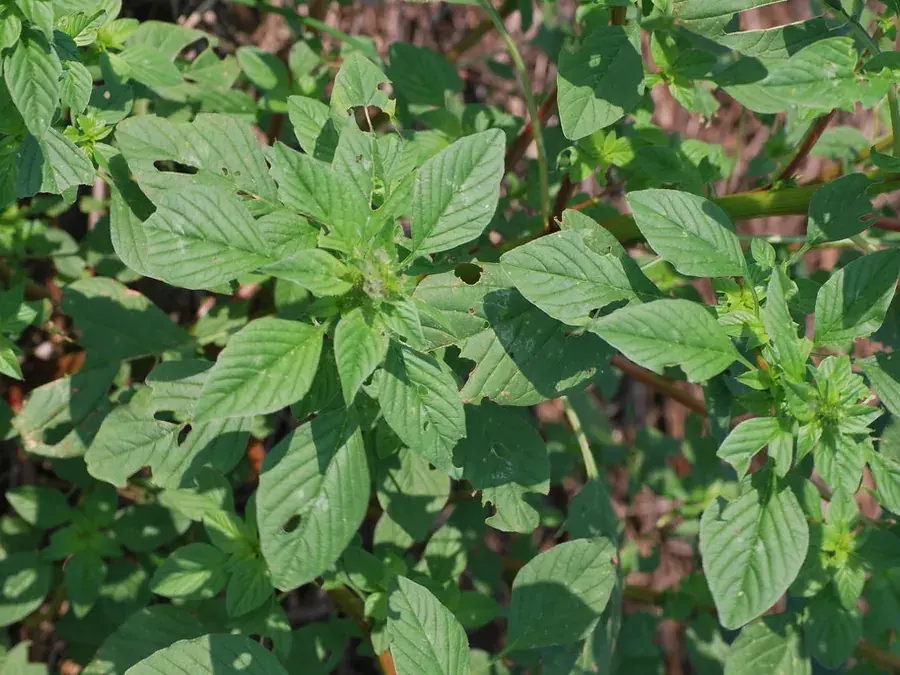
Photo UDel Carvel REC on Flickr · CC BY 2.0
Leaf amaranth
Amaranthus cruentus, A. dubius, A. tricolor
Morogo, efo tete, mchicha, callaloo — the hot-weather spinach of Africa, ready to cut a month after sowing.
- Signs of ripeness
- Ready to eat from three to five weeks after sowing: direct-sown crops are pulled whole at that stage, and transplanted market crops are uprooted 20–30 days after planting out. Cut while the stems are still soft enough to snap and before the flower heads show. Once a plant flowers — four to eight weeks after sowing, depending on variety and day length — the new leaves are smaller and tougher.
- Harvesting
- Either pull young plants whole, roots and all, as most growers do for market, or cut them 10–15 cm above the ground, leaving at least two leaves and their buds to regrow. A widely spaced, well-fed planting can be cut every two or three weeks, up to ten times; cutting low delays flowering. Pick in the cool of the morning — uprooted bunches stay fresh for a day or two stood roots-down in a basin of water.
- Frost tolerance
- Amaranth is frost-sensitive and slows well before frost, growing best with days above 25 °C and nights no lower than 15 °C. Cut or pull the whole planting before the first frost and blanch the surplus for the freezer; covering it is not worth the trouble.
Storage
Storing leaf amaranth
| Where | Temperature | Humidity | Keeps | How |
|---|---|---|---|---|
| Fridge crisper | 0–2 °C32–36 °F | high | 10–14 days | Unwashed, loosely bagged. Commercial storage is 0–2 °C at 95–100% humidity; it wilts in hours in dry air. |
| Bunches stood in water | 18–30 °C64–86 °F | high | 1–2 days | Whole uprooted plants with the roots in a basin of water, as they are kept in African markets. |
Preserving
Preserving leaf amaranth
Treat amaranth as you would spinach: strip the leaves and tender tips, water-blanch 2 minutes, cool, squeeze out the water and freeze flat or as pucks for stews and sauces. The traditional dry-season store is sun-dried leaf, often pounded to a powder and stirred into sauces. Greens can be pressure-canned — steamed until well wilted, packed loosely in boiling water and processed 70 minutes for 500 ml jars or 90 minutes for litre jars at 10 lb weighted gauge — but the freezer gives a far better product, and there is no safe water-bath method. Like spinach, amaranth contains oxalate, and leaves grown with heavy nitrogen fertiliser can carry high nitrate, mostly in the stems; cooking in plenty of water and pouring the water away, as most African cooks do, removes much of both.
The fastest route and the one that keeps flavour best.
A dehydrator or a low oven; light, keeps for a year.
Jars heated above boiling under pressure — the only safe way to can plain vegetables.
Seed saving
Cross-pollinates readily: needs isolation
Amaranth is wind-pollinated and mostly self-fertilised, but up to 40% of seed can be crossed, so save from one leaf variety at a time or keep varieties well apart, and do not let weedy pigweeds flower nearby. Let a few of your best plants run to flower; the seed matures three to five months after sowing, and the plant then dies. Cut the heads on a dry morning before they shatter, dry them on a sheet, then rub and winnow out the tiny seeds — 2,500–3,500 of them to the gram. Light and warmth break the seed’s dormancy, which is why it is sown barely covered.
Keeps: Several years kept cool, dark and dry; sprout a pinch on damp paper before relying on older seed.
Seed saving →Next year
Planning leaf amaranth for next season
Amaranth has no serious soil-borne diseases, so it does not strictly need rotating, but it is a heavy feeder that removes a lot of potassium and nitrogen: dig in plenty of manure or compost before each crop, and avoid heavy chemical nitrogen, which raises the nitrate in the leaves. Sow barely covered, in rows 20 cm apart or broadcast, once the soil is above 15 °C; seedlings are up in three to five days. In the tropics sow with the rains and again every two or three weeks; in Kenya and Tanzania it is a staple of both the long and the short rains; on the South African highveld sow from October to February; in Lagos and Accra it grows year-round with water. Water daily in dry spells — drought makes it flower early. In Canada sow outdoors from late May, or set out transplants once frost is past; it tends to bolt as the days shorten in late summer.
Leaf amaranth at a glance
- Botanical name
- Amaranthus cruentus, A. dubius, A. tricolor
- Group
- Leafy greens
- Picked
- June, July, August, September
- Frost
- Tender: finished by the first frost.
- Best put up as
- freezing, drying, pressure canning
- Seed
- Cross-pollinates readily: needs isolation
Questions people ask about leaf amaranth
What is morogo?
Morogo is the name used across much of South Africa for leafy greens, wild and cultivated, cooked as a relish to eat with pap — and amaranth is one of the most important of them. The same plants are efo tete in Yoruba, mchicha in Swahili, and callaloo or African spinach elsewhere. Several species are grown, including Amaranthus cruentus, A. dubius and A. tricolor, and all are cooked the same way.
How long does amaranth take to grow?
Three to five weeks from sowing to the first harvest of whole young plants. A widely spaced planting cut at 10–15 cm regrows and can be cut every two to three weeks for another month or two. Ontario growers give 30–60 days.
Can I grow leaf amaranth in Canada?
Yes. Ontario growers sow it outdoors in May and June, or transplant in early May, into soil around 15 °C; it grows best at 18–24 °C and is ready in 30–60 days. It is frost-sensitive and tends to bolt as the days shorten, so sow small batches every couple of weeks through June and July.
Does amaranth contain oxalate?
Yes, at levels similar to spinach, and the stems can carry nitrate if the crop has been heavily fed with nitrogen fertiliser. Cooking the leaves in plenty of water and discarding the water removes much of both, which is how amaranth is usually cooked in Africa.
How do you freeze amaranth leaves?
Strip the leaves and soft tips from the stems, water-blanch them for 2 minutes, cool in iced water, squeeze out the water and freeze in flat bags or pucks with 1 cm headspace. Use them straight from frozen in stews and sauces.
Is leaf amaranth the same as the pigweed in my garden?
They are close relatives in the same genus. Weedy pigweeds such as Amaranthus hybridus and A. spinosus are eaten young in many places, but the garden leaf amaranths have been selected for large, tender leaves. If you save seed, keep the weedy kinds from flowering nearby.
Local frost dates
Harvest timing for a place
Enter a town, postal code or ZIP to build the garden year, the frost forecast and this week’s guide from local weather.
Also in leafy greens
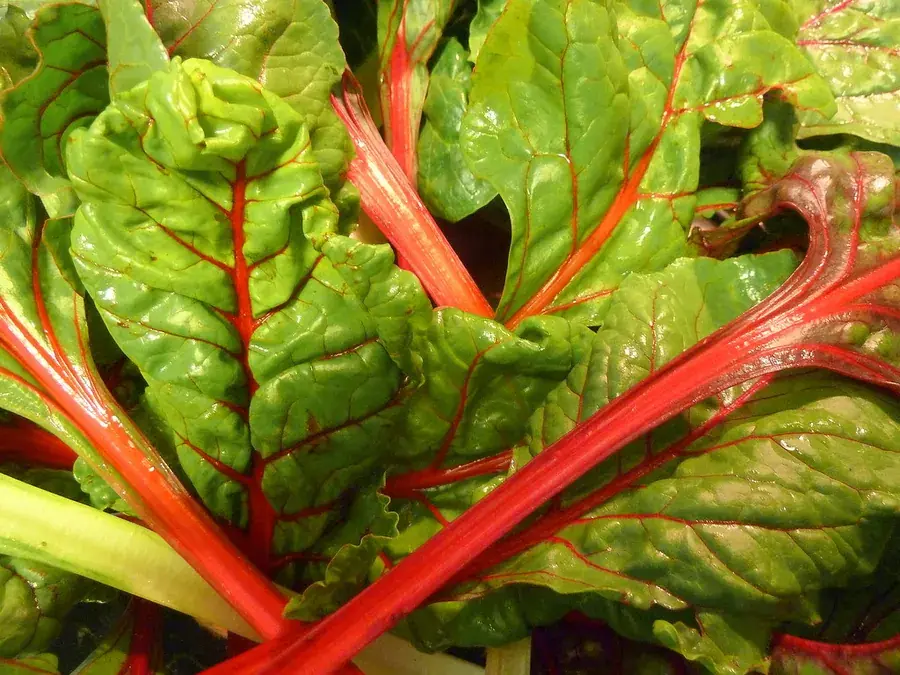 Half-hardyLeafy greensHarvest Jun–Oct
Swiss chard
A beet grown for its leaves — cut it and it comes again from May until a hard frost.
Freezing · PicklingHarvest and storage →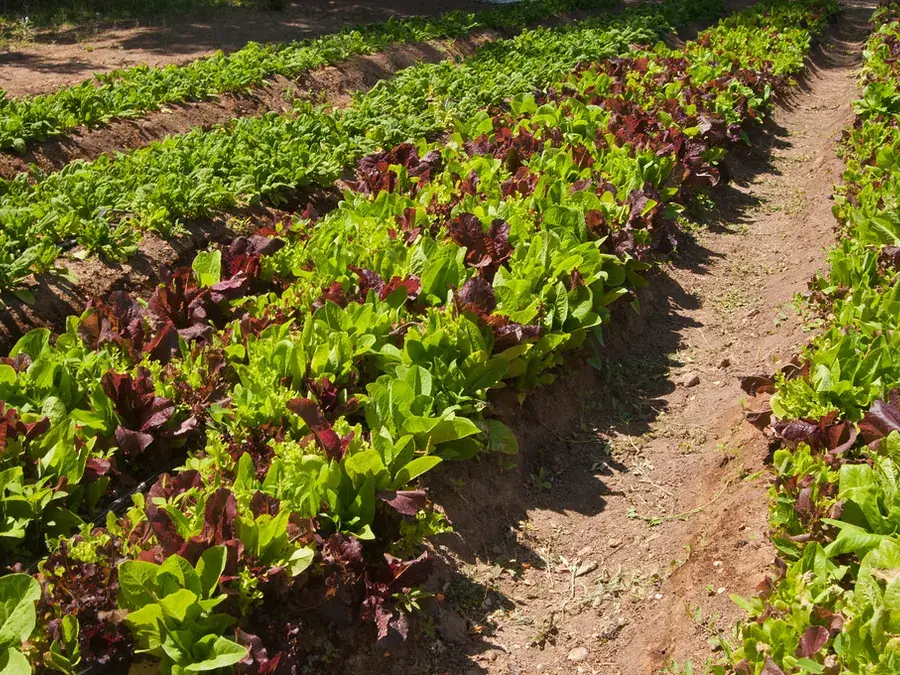 Half-hardyLeafy greensHarvest May–Oct
Lettuce
Eat it the week it is ready — it is the one crop that cannot be put up for winter.
Eaten freshHarvest and storage →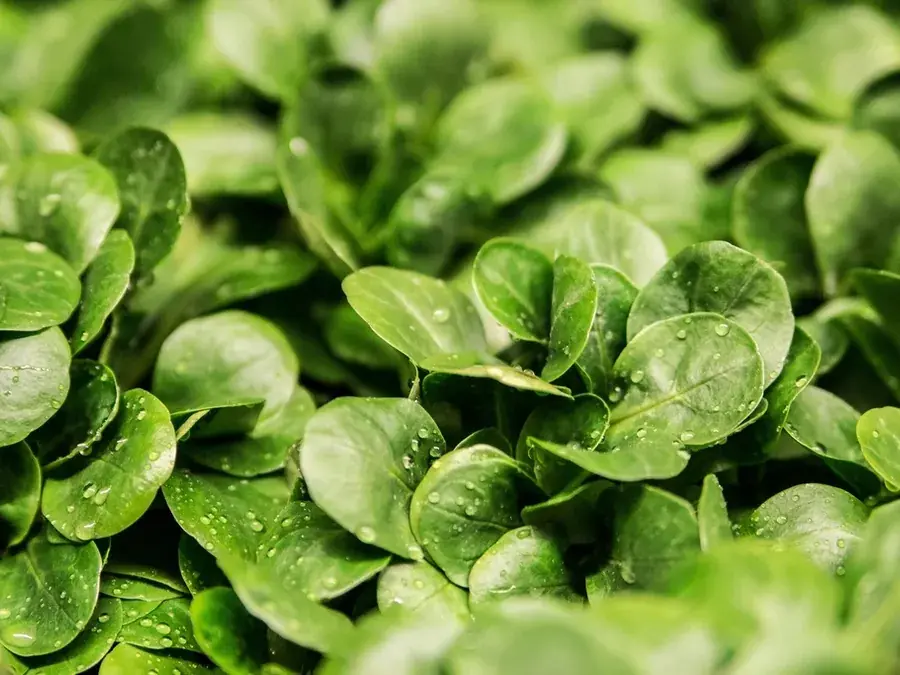 Very hardyLeafy greensHarvest Apr–Nov
Spinach
The hardiest green there is: sown in September, picked in April, and the first thing in the freezer in June.
FreezingHarvest and storage →
Checked against these sources ·
- PROTA (Pl@ntUse): Amaranthus cruentus
- PROTA (Pl@ntUse): Amaranthus dubius
- OMAFRA Specialty Cropportunities: Leaf amaranth
- NCHFP: Freezing greens, including spinach
- NCHFP: Canning spinach and other greens
- FAO ECOCROP: Amaranthus cruentus data sheet
Harvest months are typical for zones 4–6 and shift by weeks north and south. Storage figures assume ideal conditions; without a cold store, expect the shorter end of each range.