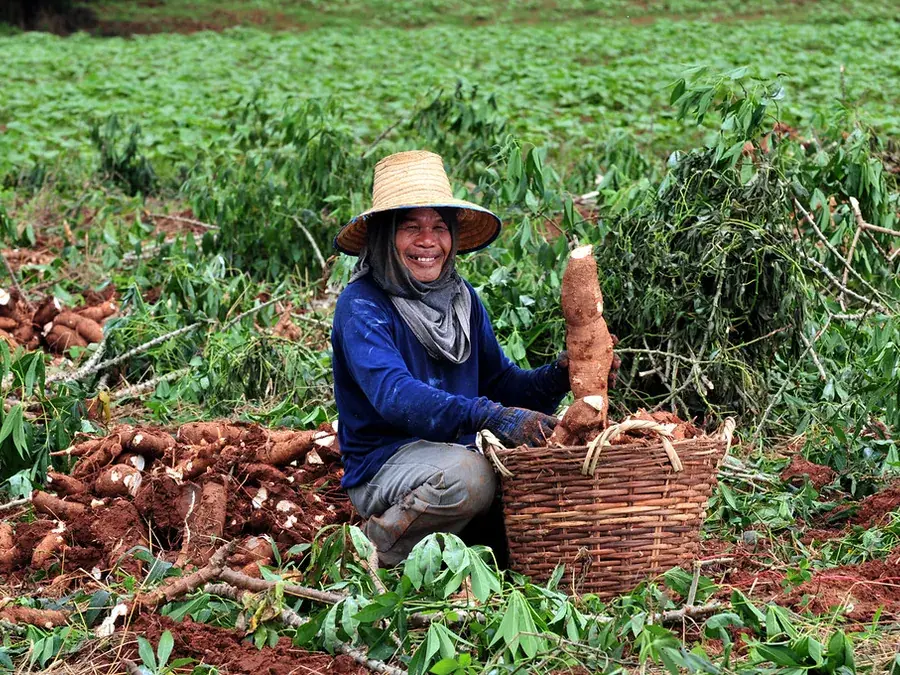
Photo CIAT International Center for Tropical Agriculture on Flickr · CC BY-SA 2.0
Cassava
Manihot esculenta
The root that feeds much of tropical Africa — generous in poor soil and drought, and never to be eaten raw.
- Signs of ripeness
- Most cultivars are ready 9–12 months after planting, and some take 15–18 months. There is no single ripe day: the lower leaves yellow and drop as the plant matures, and scraping the soil from the base of one plant shows whether the roots have filled out. Roots can be left in the ground for months past maturity and dug as needed, which is why cassava is grown as a food reserve, though roots left too long turn woody.
- Harvesting
- Cut the stems back to knee height, keeping the best mature stems for planting, then loosen the soil around the plant with a fork and lever it out by the stump so the roots come up whole. A snapped root starts to spoil at the break. Lift only what you can peel and process within a day or two: roots begin to deteriorate within 2–3 days of harvest, and lose quality within 24–48 hours.
- Frost tolerance
- Cassava needs eight to eleven frost-free months to make usable roots, and frost kills the leaves and stems at 0 °C. Near the cold edge of its range — the KwaZulu-Natal interior, high ground in East Africa, northern Florida — a plant cut back by frost may resprout from the base, but it loses months of growth. There is nothing worth covering: if a hard frost is forecast and the roots are a useful size, lift what you need.
Storage
Storing cassava
| Where | Temperature | Humidity | Keeps | How |
|---|---|---|---|---|
| In the ground, unharvested | 20–30 °C68–86 °F | moderate | Months beyond maturity | Leave plants standing and dig to order — the traditional store across Africa. Lift before the roots turn woody. |
| Kitchen, freshly lifted roots | 20–30 °C68–86 °F | moderate | 1–2 days | Unwashed, out of the sun. Fresh roots discolour inside and spoil within 2–3 days; peel and process or cook them the day they are dug. |
| Moist sawdust, lined pit or refrigerator | 5–25 °C41–77 °F | high | 2–6 weeks | Improved storage — packing sound roots in moist sawdust or a lined pit, refrigerating them, or waxing them — extends their life to between two and six weeks. |
Preserving
Preserving cassava
Cassava is preserved by processing rather than by putting fresh roots in jars, and the same processing is what makes it safe. Every cassava root contains cyanogenic glycosides, chiefly linamarin, which release hydrogen cyanide when the tissue is broken; they are concentrated in the peel and outer layers, bitter cultivars carry far more than sweet ones, and bitterness is not a reliable guide to toxicity. So every cassava is peeled, and bitter cassava must also be soaked, grated or fermented and then cooked — it is never eaten raw. The traditional products do exactly that: grating and pressing for gari breaks down more than 95% of the toxin within three hours, and soaking for six days then grating and fermenting the mash for four removes about 98%. For flour, the tested wetting method is to mix peeled, ground cassava flour with water at 1 part flour to 1.25 parts water by weight, spread it no more than 1 cm thick and leave it 5 hours at 30 °C. Boiling, steaming, baking or frying on their own remove only 10–75% and are not reliable for bitter roots. Sweet cassava for boiling should be peeled, cut up and started in cold water, with the water thrown away: in FAO trials, 30 minutes’ cooking from cold left 8% of the cyanide, against about 30% when the pieces went straight into boiling water. Short sun-drying of fresh chips removes only 60–70%, so chips and flour are made from soaked or fermented roots. There is no tested home-canning process for cassava.
Salt and time; the bacteria make the acid for you.
A dehydrator or a low oven; light, keeps for a year.
Seed saving
Grown from tubers, cloves, crowns or runners, not seed
Cassava is grown from stem cuttings, not seed. Take stems from healthy, mature plants 10–12 months old and cut them into 25 cm lengths with 5–7 nodes. Plant them upright where rainfall is high, or laid flat in dry areas, with the buds pointing up. Take cuttings only from vigorous plants free of leaf mottling and root streaking: cassava’s virus diseases travel in the stems, and a farmer’s own sick cuttings are how they spread.
Keeps: Not applicable — the variety lives in the stems. Plant cuttings from freshly cut mature stems.
Seed saving →Next year
Planning cassava for next season
Cassava grows on land too poor or dry for most crops, but it takes a great deal from the soil, so follow it with a legume — groundnuts or cowpeas — or a fallow, and add compost where you can. Plant at the start of the rains, when at least two months of good soil moisture lie ahead: March–May in southern Nigeria and Ghana, May–June in the savanna, with the long rains in March–April or the short rains in October–November in Kenya, Uganda and Tanzania, and from October to December on the KwaZulu-Natal and Mozambique coast. Space plants about 1 m apart each way. It needs 8–11 frost-free months and does poorly above about 2,000 m or where the monthly mean falls much below 18 °C, so Nairobi-height gardens grow it slowly. Grow sweet cultivars for the garden and the kitchen, and learn which cultivars your neighbours plant before you take cuttings: bitter ones look the same.
Cassava at a glance
- Botanical name
- Manihot esculenta
- Group
- Roots
- Picked
- November, December, January, February, March
- Frost
- Tender: finished by the first frost.
- Best put up as
- fermenting, drying
- Seed
- Grown from tubers, cloves, crowns or runners, not seed
Questions people ask about cassava
Can you eat cassava raw?
No. All cassava contains cyanogenic glycosides that release hydrogen cyanide, mostly in the peel and outer layers, and bitter cultivars carry far more than sweet ones. Sweet cassava must be peeled and thoroughly cooked; bitter cassava must be peeled and then soaked, grated or fermented — as gari and fufu are — before cooking. Bitterness is not a reliable test of how toxic a root is.
What is the difference between sweet and bitter cassava?
The amount of cyanogenic glycoside: sweet cultivars contain only small amounts and can be peeled and boiled, while bitter cultivars, often planted as a high-yielding food reserve, need full processing. Root content ranges from about 15 to 400 mg of hydrogen cyanide per kilogram. You cannot tell the two apart reliably by taste or appearance, so know your cultivar.
How do you remove cyanide from cassava at home?
Peel it, then use a method that breaks the tissue and lets the toxin escape: grate and press it (gari), soak it for days and ferment the mash (fufu), or for flour use the wetting method — 1 part flour to 1.25 parts water by weight, spread 1 cm thick, left 5 hours at 30 °C. For sweet cassava, boil peeled pieces from cold water and discard the water. Boiling alone is not enough for bitter cassava.
Can you eat cassava leaves?
Yes, and they are richer in protein and vitamins than the roots, but they contain even more cyanogenic glycoside and must never be eaten raw. Pound them for at least 10 minutes and wash them in twice their weight of water, or boil them well for 15–30 minutes and discard the water, before cooking into a stew such as saka-saka or matapa.
Is cassava safe for children?
Properly processed cassava is a safe staple, but children and women are the people most affected by konzo, the spastic paralysis of the legs that has broken out in drought years when bitter cassava was eaten under-processed and without enough protein alongside it. Never let children chew raw roots or leaves, never shorten soaking or fermenting times, and serve cassava with beans, fish or groundnuts.
How long does cassava keep after digging?
Only a day or two. Fresh roots start to deteriorate within 2–3 days and discolour inside, so lift only what you can peel and cook or process the same day. Packing in moist sawdust or refrigeration extends that to two to six weeks; the best store is the ground itself.
Local frost dates
Harvest timing for a place
Enter a town, postal code or ZIP to build the garden year, the frost forecast and this week’s guide from local weather.
Also in roots
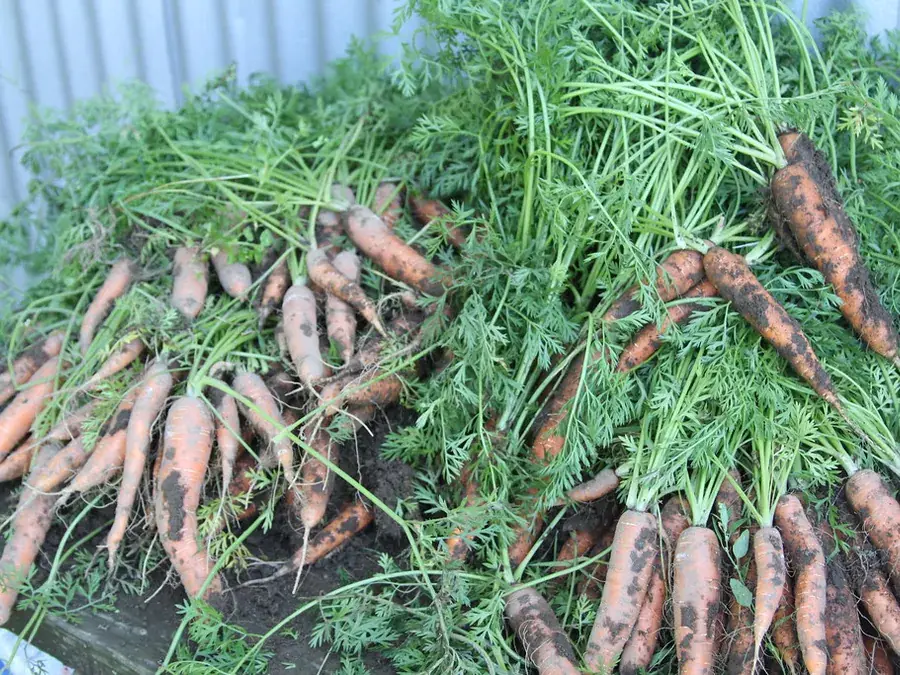 HardyRootsHarvest Jul–Nov
Carrots
The root that gets sweeter the longer autumn goes on — and keeps until spring if you treat it right.
Cold storage · Pressure · FreezingHarvest and storage →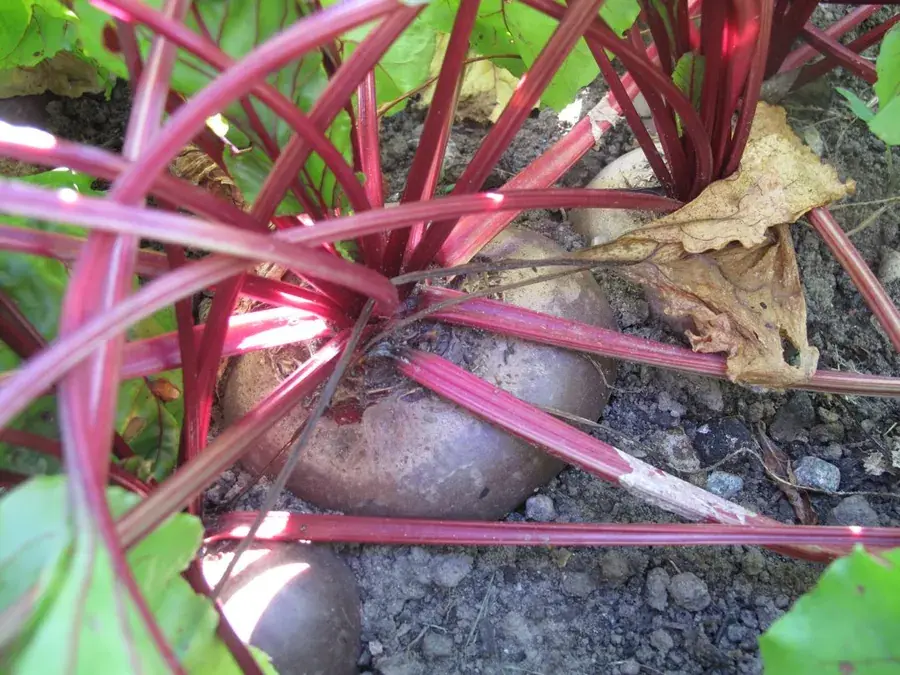 HardyRootsHarvest Jul–Oct
Beets
Two crops in one bed — the roots for the cold room, the greens for tonight.
Pickling · Pressure · FreezingHarvest and storage →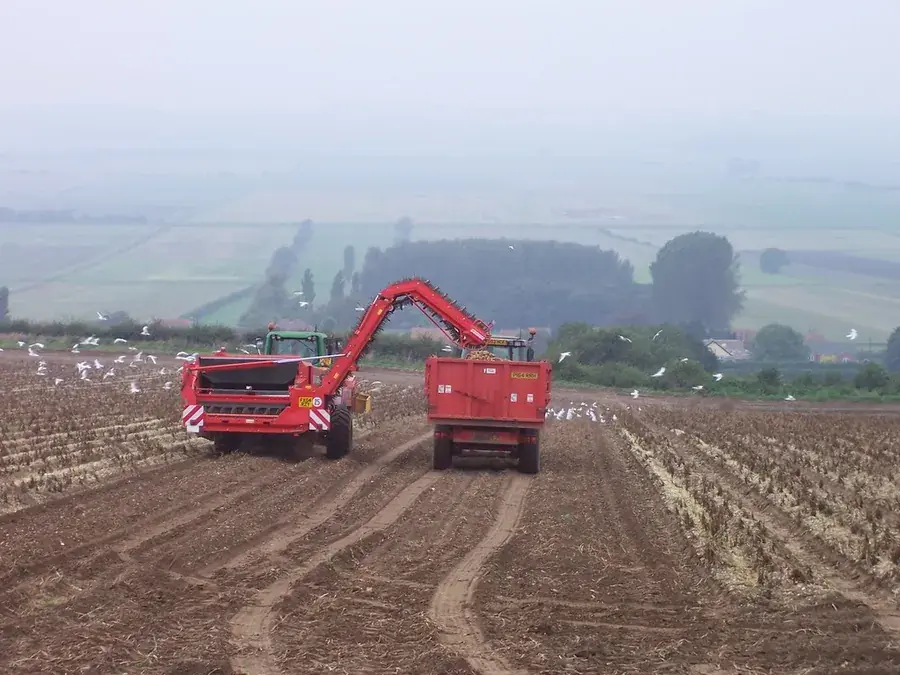 Half-hardyRootsHarvest Jul–Oct
Potatoes
The crop children remember digging — and the one that needs two weeks in the dark before it goes anywhere.
Cold storage · Pressure · FreezingHarvest and storage →
Checked against these sources ·
- Food Standards Australia New Zealand: Cassava and bamboo shoots
- FAO: Roots, tubers, plantains and bananas in human nutrition — toxic substances and antinutritional factors
- IITA: Growing cassava — a training manual from production to postharvest
- UF/IFAS Gardening Solutions: Cassava
- FAO ECOCROP: Manihot esculenta data sheet
Harvest months are typical for zones 4–6 and shift by weeks north and south. Storage figures assume ideal conditions; without a cold store, expect the shorter end of each range.