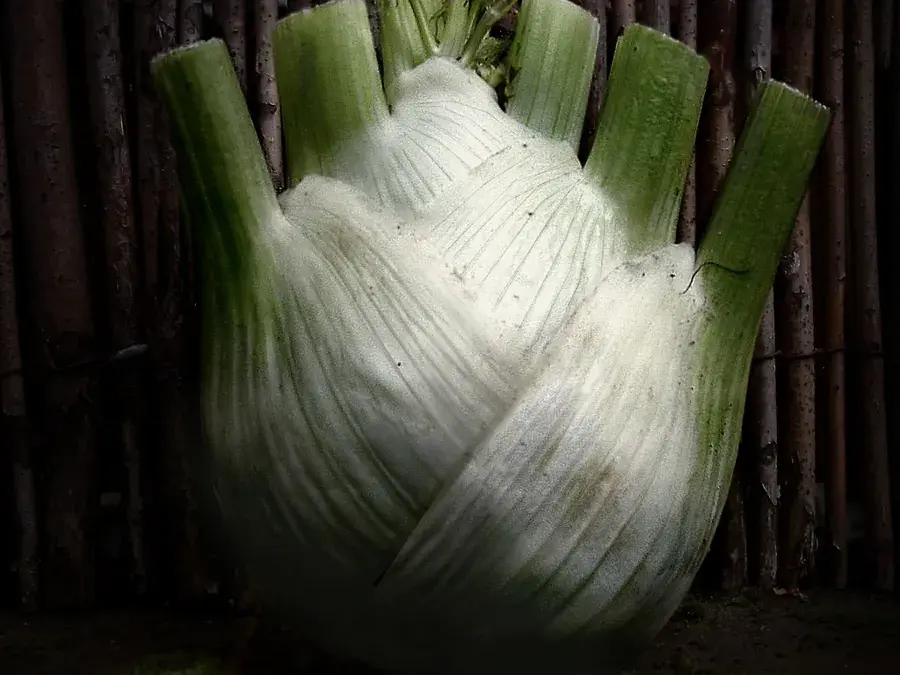
Photo The hills are alive* on Flickr · CC BY 2.0
Florence fennel
Foeniculum vulgare var. azoricum
An aniseed bulb that wants steady water and no surprises — sown as the days shorten, it swells instead of bolting.
- Signs of ripeness
- Harvest when the bulb is round and pale and about 6–15 cm (2½–6 in) across — tennis-ball size or larger — roughly 90–100 days from sowing, or 70–80 days from transplanting. It can be cut at any size from about 5 cm as a baby vegetable. Harvest before the bulb elongates and sends up a flower stem, after which it turns woody and inedible.
- Harvesting
- Cut just below the swollen bulb with a sharp knife, leaving the base and roots in the ground: it sends up small, feathery shoots for salads, though not another bulb. Or lift the whole plant. Trim off the stalks, and keep some of the fronds to use as a herb.
- Frost tolerance
- Florence fennel tolerates light frost, which is why it can be sown in summer for an autumn crop, but mature bulbs are damaged by a hard one. When −2 °C or colder is forecast, harvest every bulb of a usable size and cover younger plants with fleece.
Storage
Storing florence fennel
| Where | Temperature | Humidity | Keeps | How |
|---|---|---|---|---|
| Fridge crisper | 0–2 °C32–36 °F | high | 2–3 weeks | Trimmed bulbs, unwashed, in a perforated bag; commercial storage is 0–2 °C at 90–95% humidity for 14–21 days. |
Preserving
Preserving florence fennel
Florence fennel is a vegetable to eat fresh — shaved raw or braised — and the fridge is its store: trimmed bulbs keep two to three weeks near 0 °C. The fronds lose their flavour when dried, so use them fresh, or wrap and freeze them as you would other fresh herbs for cooked dishes. The seeds are the part that dries well: cut the umbels when the first ripe seeds begin to fall, dry them in an airy place, rub out the seed and keep it in a jar for cooking. There is no tested canning or pickling recipe for fennel bulb in the USDA guides, so keep pickled fennel in the fridge and eat it within a few weeks.
The oldest method: the right cold, the right damp, and darkness.
A dehydrator or a low oven; light, keeps for a year.
Seed saving
Biennial: flowers in its second year
Florence fennel is grown for seed as a biennial: plants sown in midsummer form bulbs, stand through a mild winter — or are lifted and stored where winters are hard — and flower the following year. The flowers are insect-pollinated and cross freely with other fennel varieties and with herb and wild fennel, so for pure seed keep varieties about a kilometre apart, or 500 m with a hedge between. Cut the umbels as the first seeds fall, dry them, then rub out and winnow the seed.
Keeps: About four years, sometimes seven; longer in the freezer.
Seed saving →Next year
Planning florence fennel for next season
Fennel’s problem is bolting — running to flower instead of making a bulb — and the causes are cold spells in spring, root disturbance at transplanting and dry soil. So sow direct, or singly in modules so the root ball moves intact; choose bolt-resistant varieties for early sowings; and never let the soil dry out. Give it a warm, sunny site with fertile, free-draining soil, not heavy clay. In Britain and Canada sow in early to midsummer, June or July, for autumn bulbs, thinning to 30 cm apart, and earth up the swelling bulb to keep it pale. In Mediterranean climates — Lisbon, Cape Town — sow in late summer and autumn as the days shorten, for bulbs through the winter and spring; spring sowings there bolt in the lengthening, hotter days.
Florence fennel at a glance
- Botanical name
- Foeniculum vulgare var. azoricum
- Group
- Leafy greens
- Picked
- August, September, October, November
- Frost
- Half-hardy: scorched by a light frost, killed at −3 °c.
- Best put up as
- cold storage, drying
- Seed
- Biennial: flowers in its second year
Questions people ask about florence fennel
Why does my Florence fennel bolt instead of making a bulb?
Cold spells in spring, root disturbance when transplanting, and dry soil are the usual causes. Sow later — midsummer in Britain and Canada, late summer or autumn around the Mediterranean — choose a bolt-resistant variety, sow direct or in modules, and water generously so the soil never dries out.
When should I sow Florence fennel?
As the days are getting shorter. In Britain sow outdoors in June or July; in Ontario seed from late April for a 90–100-day crop works with bolt-resistant varieties, but a midsummer sowing for autumn is more reliable; in Mediterranean climates sow from late summer into autumn for winter and spring bulbs.
How do you know when fennel is ready?
When the bulb is round, pale and at least 6–8 cm across — tennis-ball size or bigger — usually 90–100 days from sowing. Harvest before it starts to elongate and push up a flower stem, which makes it woody.
Is Florence fennel the same as herb fennel?
Same species, different variety. Florence fennel forms a swollen bulb of leaf bases and is grown as an annual vegetable; herb fennel is a tall perennial grown for its feathery leaves and seeds. They cross freely, so do not let both flower near each other if you save seed.
Can you freeze fennel?
The bulb is best fresh and keeps two to three weeks in the fridge; braised fennel dishes freeze well once cooked. The fronds can be wrapped and frozen for cooked dishes, and the seeds dry perfectly.
Can I grow fennel in Ontario?
Yes, as an annual. Ontario growers seed from late April or transplant 4–6 weeks after seeding into soil at 15–18 °C, and harvest 90–100 days from seed or 70–80 from transplanting, before bolting begins; it grows best at 20–24 °C.
Local frost dates
Harvest timing for a place
Enter a town, postal code or ZIP to build the garden year, the frost forecast and this week’s guide from local weather.
Also in leafy greens
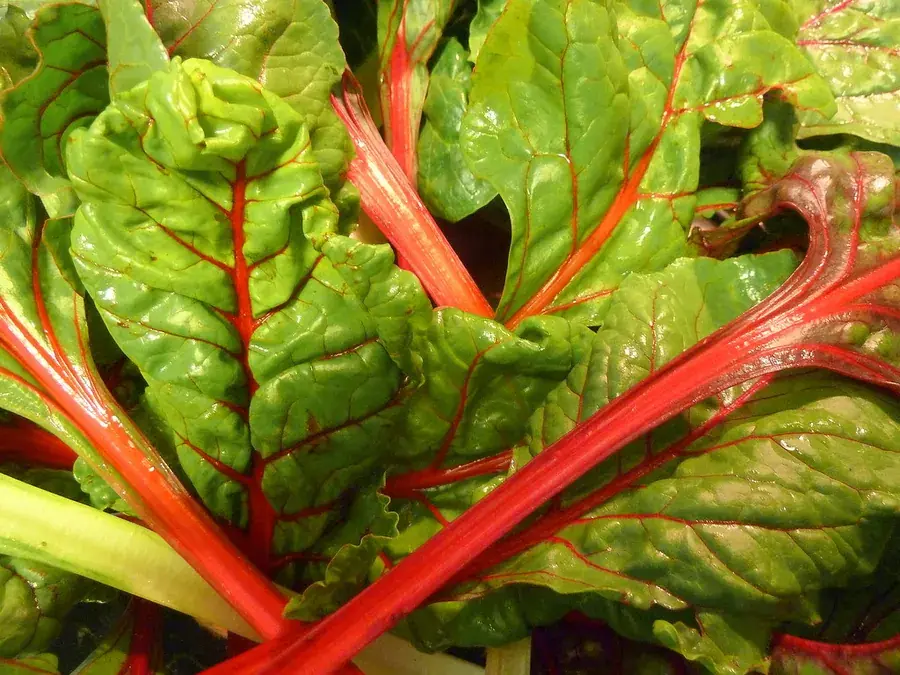 Half-hardyLeafy greensHarvest Jun–Oct
Swiss chard
A beet grown for its leaves — cut it and it comes again from May until a hard frost.
Freezing · PicklingHarvest and storage →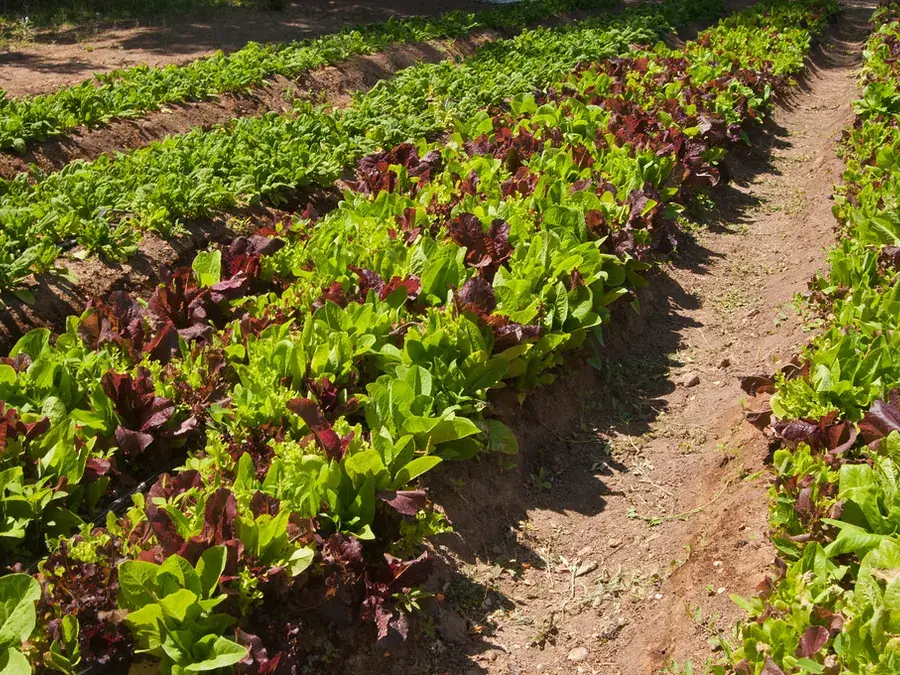 Half-hardyLeafy greensHarvest May–Oct
Lettuce
Eat it the week it is ready — it is the one crop that cannot be put up for winter.
Eaten freshHarvest and storage →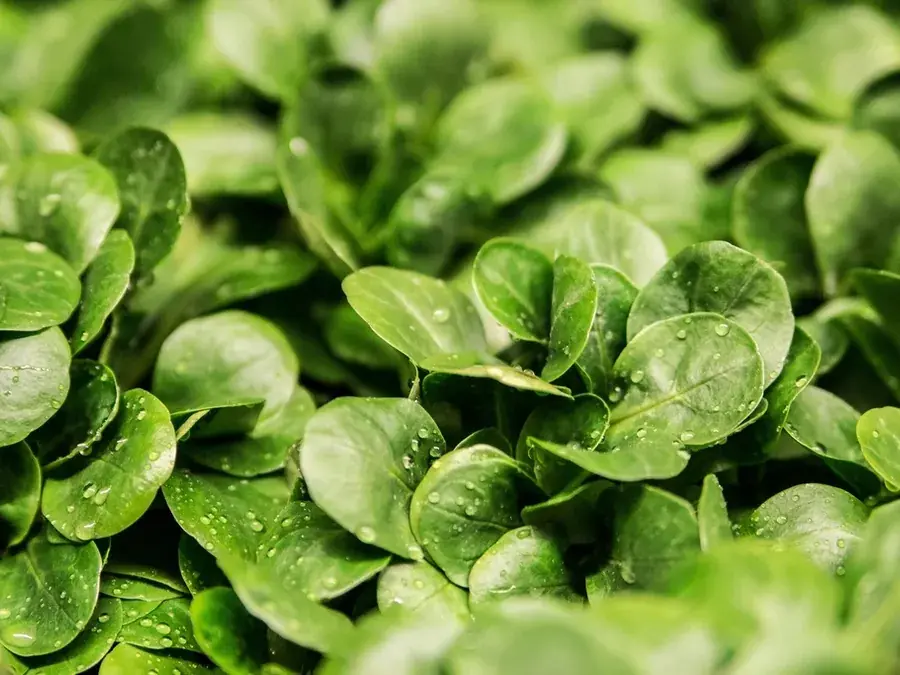 Very hardyLeafy greensHarvest Apr–Nov
Spinach
The hardiest green there is: sown in September, picked in April, and the first thing in the freezer in June.
FreezingHarvest and storage →
Checked against these sources ·
- RHS: How to grow Florence fennel
- University of Wisconsin–Madison Extension: Fennel, Foeniculum vulgare
- OMAFRA Specialty Cropportunities: Florence fennel
- Diyseeds (Longo Maï): Fennel seed production
- NCHFP: Freezing fresh herbs
- FAO ECOCROP: Foeniculum vulgare data sheet
Harvest months are typical for zones 4–6 and shift by weeks north and south. Storage figures assume ideal conditions; without a cold store, expect the shorter end of each range.