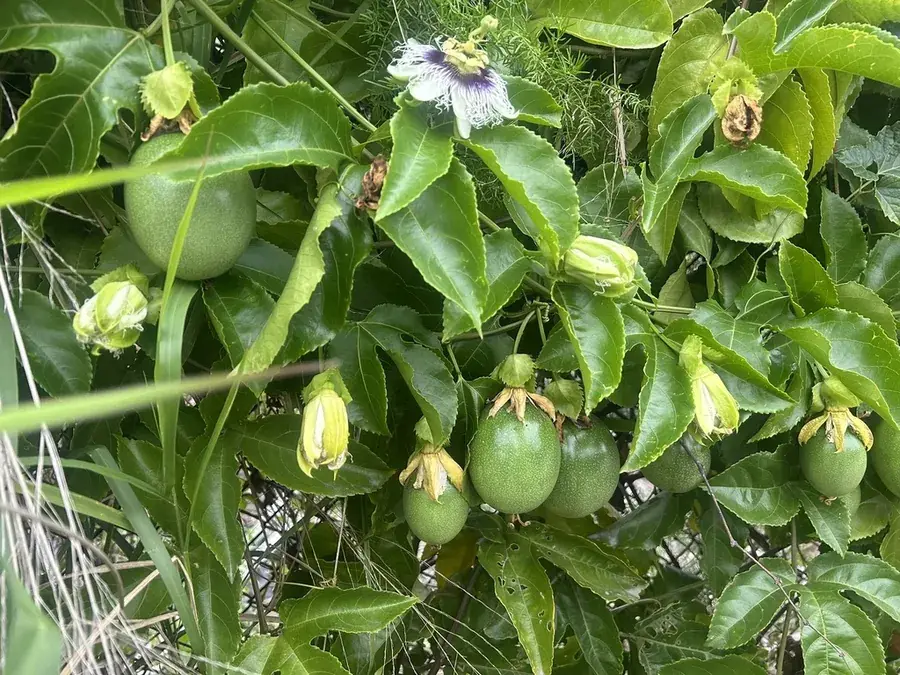
Photo iNaturalist contributor via Openverse · CC0 (public domain)
Passion fruit
Passiflora edulis
A vigorous vine that drops its fruit when it is ready — the purple for cool highlands, the yellow for the hot lowlands.
- Signs of ripeness
- Ripe fruit falls to the ground: purple fruit turns deep purple, almost black, and yellow fruit deep gold. Fruit ripens 70–80 days after pollination. Fruit picked from the vine when just turning light purple finishes ripening indoors and does not sunburn on hot ground.
- Harvesting
- Gather fallen fruit every day, before soil organisms spoil it; in hot weather, pick from the vine two or three times a week once fruit starts to colour, and once a week in the cool season. Wrinkled fallen fruit is fully ripe and good to eat.
- Frost tolerance
- The purple passion fruit is subtropical: in Florida, vines with their lower stems wrapped came through freezes, were cut back, and fruited heavily again. Frost still kills unprotected young growth, and the yellow form is tropical and more tender. When frost is forecast, gather coloured and fallen fruit and wrap the base of the vine.
Storage
Storing passion fruit
| Where | Temperature | Humidity | Keeps | How |
|---|---|---|---|---|
| Fridge | 2–7 °C36–45 °F | high | About a week | Ripe fruit keeps about a week at 2–7 °C; the skin wrinkles but the pulp stays good. |
| Kitchen counter, to finish ripening | 18–22 °C64–72 °F | moderate | Several days | Part-coloured fruit ripens well at about 20 °C; at 30 °C it ripens too fast. |
Preserving
Preserving passion fruit
The pulp and juice freeze well and keep their flavour: scoop out the seedy pulp and freeze it as it is, or press it through a sieve or two layers of cheesecloth for juice and freeze that — frozen juice keeps for a year at −18 °C without deteriorating. Heat damages the flavour, which is why the traditional preserves are jellies and jams made from the seeded pulp, often with pineapple, rather than canned fruit. Eat only ripe fruit: passion fruit contains a cyanogenic glycoside that is highest in very young, unripe fruit and so low in fallen, wrinkled fruit as to be of no concern.
The fastest route and the one that keeps flavour best.
Seed saving
Easy to save: comes true from seed
Passion fruit grows easily from seed taken from a fully ripe fruit: sown soon after extraction it germinates in two to three weeks, and fermenting the pulp for a few days, or rubbing the seed with sandpaper, speeds it up. Purple passion fruit and its hybrids pollinate themselves; the yellow form is largely self-incompatible and needs a second vine and carpenter bees or hand-pollination. Many growers plant vines grafted onto yellow passion fruit rootstock, which resists Fusarium wilt and nematodes; set grafted vines with the union well above the soil and keep mulch away from it, or the resistance is lost.
Keeps: Best sown fresh: stored seed germinates more slowly and less well.
Seed saving →Next year
Planning passion fruit for next season
A passion fruit vine needs a strong trellis or fence at least 2 m high in full sun, shelter from wind, and well-drained soil — root and collar rots kill vines in waterlogged ground. Water regularly, especially as the fruit approaches maturity, when drought makes it shrivel and drop, and go easy on nitrogen, which gives empty fruit. Prune once a year from the second year to stimulate new growth, which carries the flowers. Vines decline after a few years — commercial plantings last from three to eight — so plant a replacement before the old one fails. The purple form suits cooler highlands: Kenyan growers plant it at 1,200–2,000 m with 900–2,000 mm of rain, and South African plantings at 1,200–1,460 m in Limpopo have stayed productive for eight years. The yellow form suits hot lowlands. Plant at the start of the rains.
Passion fruit at a glance
- Botanical name
- Passiflora edulis
- Group
- Berries
- Picked
- July, August, September, October, November, December
- Frost
- Tender: finished by the first frost.
- Best put up as
- freezing
- Seed
- Easy to save: comes true from seed
Questions people ask about passion fruit
How do you know when passion fruit is ripe?
It falls off the vine. Purple fruit turns deep purple to almost black and yellow fruit deep gold; collect fallen fruit daily, or pick from the vine when it has started to colour and let it finish ripening at room temperature.
Is wrinkled passion fruit still good?
Yes. A fallen fruit with a wrinkled skin is fully ripe, and its cyanogenic glycoside content is at its lowest; the pulp keeps well inside the shell. Discard any that are mouldy or leaking.
Why are my passion fruit empty or dropping?
Irregular watering is the usual cause of fruit drop, because demand for water is highest as the fruit matures. Fruit with soft seeds but no juice points to too much nitrogen, poor pollination, boron deficiency or damage by fruit flies or stink bugs.
Purple or yellow passion fruit — which should I grow?
Purple in cool highland and subtropical gardens: it is more aromatic and pollinates itself. Yellow in the hot lowland tropics: it is more vigorous and disease-resistant, but largely self-incompatible, so it needs a second vine and bees or hand-pollination.
How long does a passion fruit vine last?
Usually three to eight years. Pruning laterals after fruiting and keeping the base free of wounds extends its life, but plan to plant a replacement every few years.
Can I grow passion fruit in a cold-winter country?
Only in a pot that comes into a frost-free greenhouse or sunroom for winter, or in a heated conservatory. The purple form survives a light frost if its base is wrapped, but it will not crop outdoors through a Canadian or northern European winter.
Local frost dates
Harvest timing for a place
Enter a town, postal code or ZIP to build the garden year, the frost forecast and this week’s guide from local weather.
Also in berries
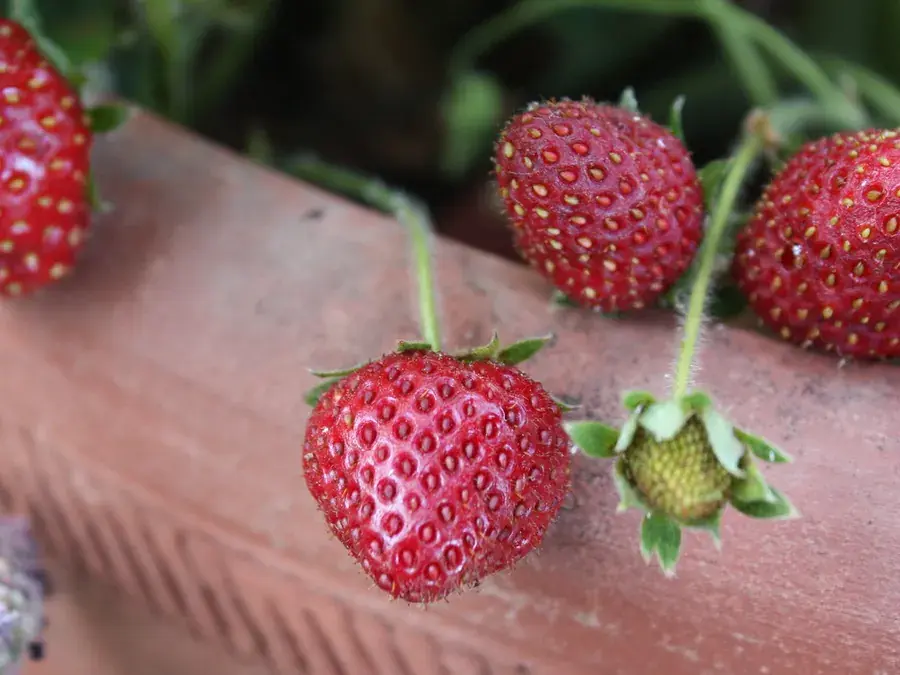 Half-hardyBerriesHarvest Jun–Sep
Strawberries
Three weeks of June glory from a June-bearer, or a trickle until frost from a day-neutral — either way, the freezer is the answer.
Freezing · Water-bath · DryingHarvest and storage →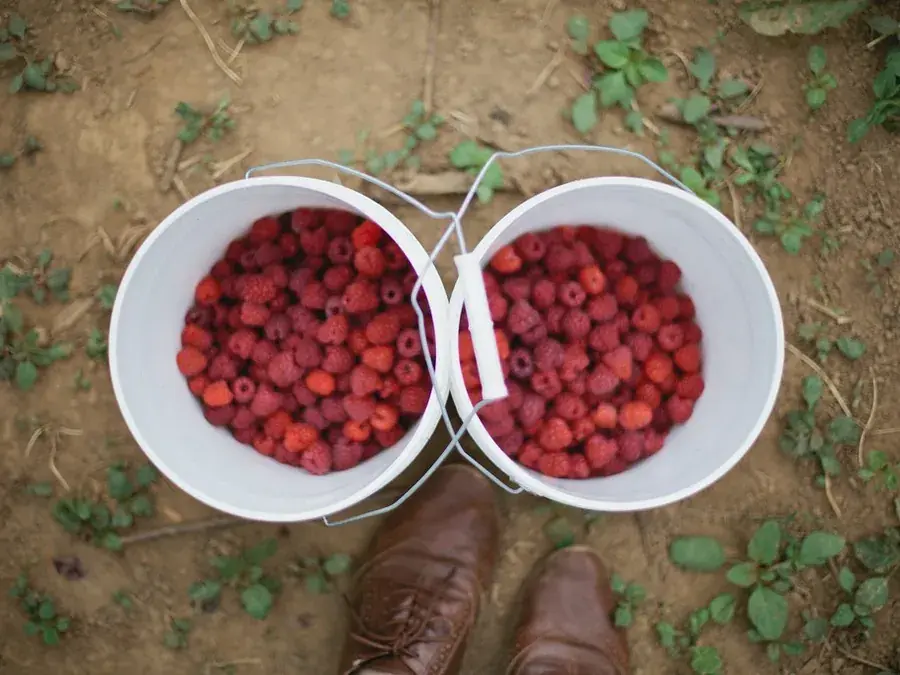 Half-hardyBerriesHarvest Jul–Oct
Raspberries
Pick every second day or lose them — and tray-freeze the surplus the same afternoon.
Freezing · Water-bath · DryingHarvest and storage →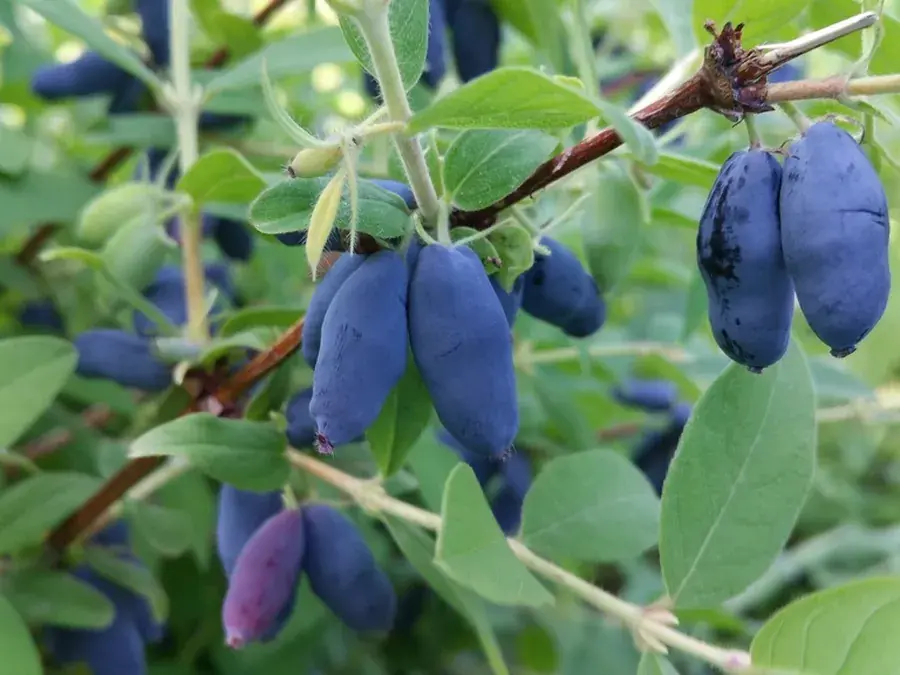 Very hardyBerriesHarvest Jun–Jul
Haskap (honeyberry)
The Canadian berry: hardy to zone 2, ripe before the strawberries, and the first jam of the year.
Freezing · Water-bath · DryingHarvest and storage →
Checked against these sources ·
- Julia F. Morton, Fruits of Warm Climates: Passionfruit (Purdue NewCROP)
- UF/IFAS: Passion fruit problems in the home landscape (HS1397)
- Greenlife Crop Protection Africa: The A–Z of passion fruit farming
- FAO ECOCROP: Passiflora edulis data sheet
Harvest months are typical for zones 4–6 and shift by weeks north and south. Storage figures assume ideal conditions; without a cold store, expect the shorter end of each range.