Photo Michal Honskus via Openverse · CC BY 4.0
Rocket (arugula)
Eruca vesicaria subsp. sativa
The peppery salad leaf of the Mediterranean winter — ready in a month, finished by the first hot spell, so sow a little and often.
- Signs of ripeness
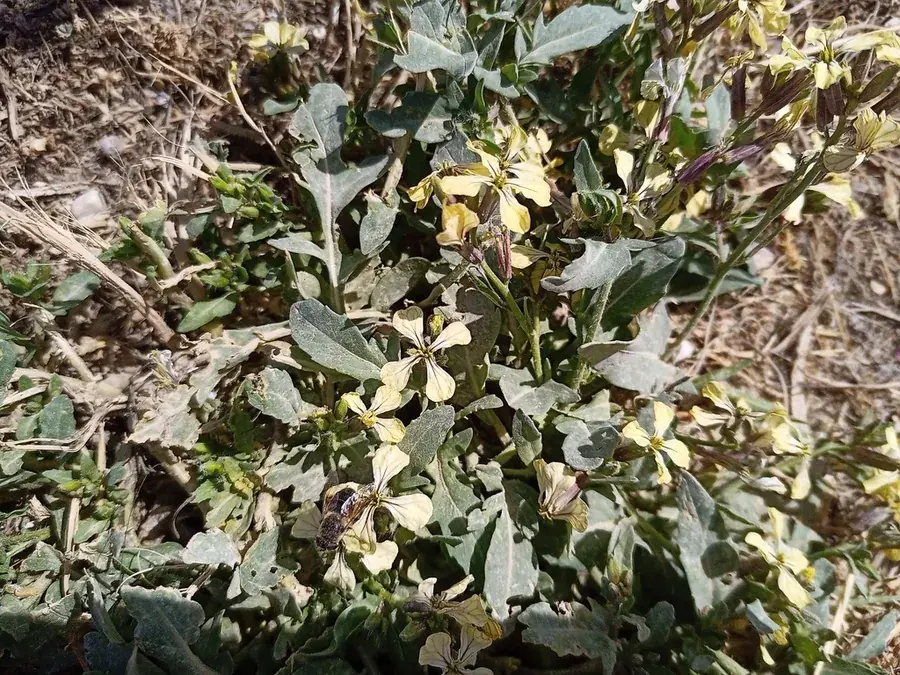
- Leaves are ready three to six weeks after sowing, when they are 5–10 cm long; young leaves are milder and more tender. Salad rocket gives two or three cuts over a month or two before it flowers; once the flower stem shoots up, the leaves turn hot and tough and the crop is over.
- Harvesting
- Pick individual leaves, or cut whole plants a few centimetres above the soil and let them regrow, always leaving the bottom set of leaves — cut too low and the plant dies. Pick in the cool of the morning. The flowers are edible too, with the same peppery bite.
- Frost tolerance
- Rocket is a hardy little plant that crops through a mild winter in a cold frame, greenhouse border or under a cloche, and wild rocket keeps cropping into winter under cover and starts again in spring. A hard frost scorches the leaves of an uncovered row, so throw fleece over it when one is forecast.
Storage
Storing rocket (arugula)
| Where | Temperature | Humidity | Keeps | How |
|---|---|---|---|---|
| Fridge crisper | 0–4 °C32–39 °F | high | 3–10 days | Unwashed, loosely packed in a box or bag lined with paper. At 0 °C, commercial packs keep two or three days in top condition; home-grown leaves often last a week. |
Preserving
Preserving rocket (arugula)
Rocket does not keep as a leaf — like lettuce and cress, it thaws limp, water-logged and off-flavoured — so it is a crop to sow little and often and eat fresh. The way to keep a glut is pesto: blend the leaves with oil, garlic, nuts and cheese and freeze it in jars or freezer boxes with 1 cm headspace. Fresh pesto keeps no more than three days in the fridge, and home-made pesto or herbs in oil should never be kept at room temperature.
The fastest route and the one that keeps flavour best.
Seed saving
Cross-pollinates readily: needs isolation
Rocket flowers draw many insects and varieties cross, so Seed Savers Exchange advises 250–800 m (800 ft to ½ mile) between varieties for pure seed. Save from at least five plants, sown early enough to make a good rosette before heat triggers flowering. Cut the stalks when most of the pods are light brown and brittle, finish drying them under cover until the seed is too hard to dent with a fingernail, then thresh and winnow. Plants left to flower often seed themselves.
Keeps: About six years cool, dark and dry.
Seed saving →Next year
Planning rocket (arugula) for next season
Rocket belongs to the cabbage family, so rotate it with cabbages, kale and radishes, and cover young plants with fine mesh or fleece where flea beetles pepper the leaves. It wants moist, fertile soil — wild rocket tolerates poorer, drier ground — and full sun in spring and autumn, light shade in summer. Sow thinly in drills 1 cm deep, thinning to 15 cm apart, and sow again every two or three weeks. In Mediterranean and subtropical climates sow from autumn to spring, through the cool, wet season, and stop when the summer heat arrives; Florida gardeners sow from September to March. In Britain and Canada sow from early spring to late summer, give midsummer sowings light shade and plenty of water, and keep a late sowing under cover for winter. In the lowland tropics grow it in the coolest months or in highland gardens such as Nairobi.
Rocket (arugula) at a glance
- Botanical name
- Eruca vesicaria subsp. sativa
- Group
- Leafy greens
- Picked
- April, May, June, September, October, November
- Frost
- Half-hardy: scorched by a light frost, killed at −3 °c.
- Best put up as
- freezing
- Seed
- Cross-pollinates readily: needs isolation
Questions people ask about rocket (arugula)
Why does my rocket bolt so fast?
Heat, dry soil and crowding all push salad rocket to flower, which ends the leaf harvest. Sow in the cool season, thin plants to 15 cm, keep the soil moist, and grow summer sowings in light shade; sowing a short row every two or three weeks keeps young plants coming.
What is the difference between wild rocket and salad rocket?
Salad rocket, Eruca vesicaria, is an annual with broader, milder leaves that crops for a month or two before flowering. Wild rocket, Diplotaxis tenuifolia, is a perennial with narrow, deeply cut, hotter leaves that keeps cropping through summer and autumn and goes on producing leaves even after it flowers.
How long does rocket take to grow?
Three to six weeks from sowing to the first picking of young leaves, depending on warmth. Florida’s gardening guide gives 30–40 days to harvest.
Why are there tiny holes in my rocket leaves?
Flea beetles, small jumping beetles that feed on the cabbage family. The damage is mostly cosmetic, but heavy attacks set seedlings back; cover sowings with fine mesh or fleece from the day you sow.
Can you freeze rocket?
Not as leaves — they thaw limp and water-logged, like lettuce. Make it into pesto and freeze that in jars or small tubs with 1 cm headspace; fresh pesto keeps only about three days in the fridge.
Can I grow rocket in the tropics?
Yes, in the cool season or at altitude. The plant itself tolerates heat and drought, but in hot weather it flowers within weeks, so leaf crops are best sown in the coolest months or in highland gardens, where it grows much as it does in a Mediterranean winter.
Local frost dates
Harvest timing for a place
Enter a town, postal code or ZIP to build the garden year, the frost forecast and this week’s guide from local weather.
Also in leafy greens
 Half-hardyLeafy greensHarvest Jun–Oct
Swiss chard
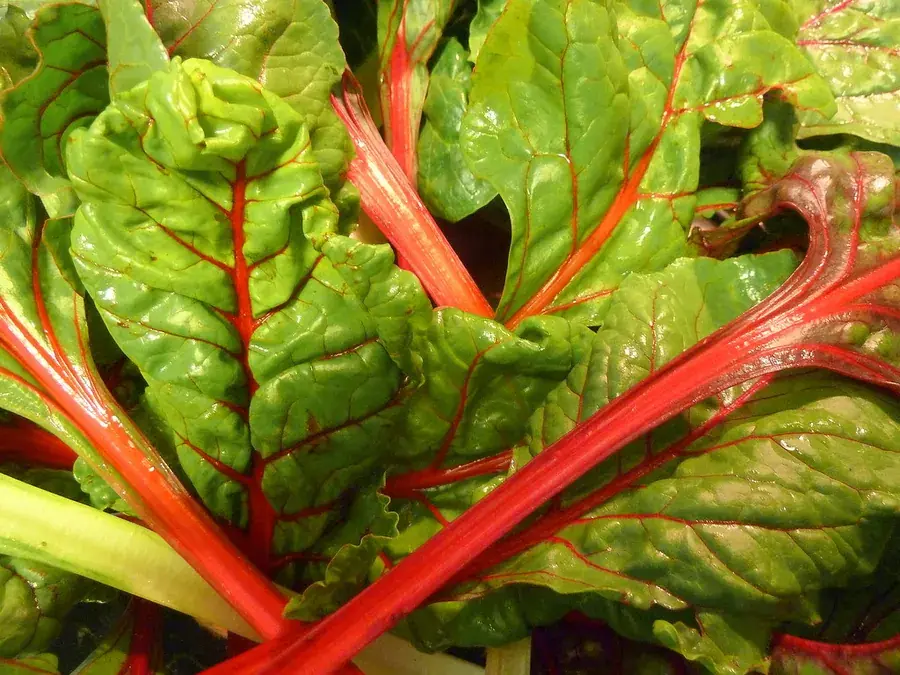
A beet grown for its leaves — cut it and it comes again from May until a hard frost.
Freezing · PicklingHarvest and storage →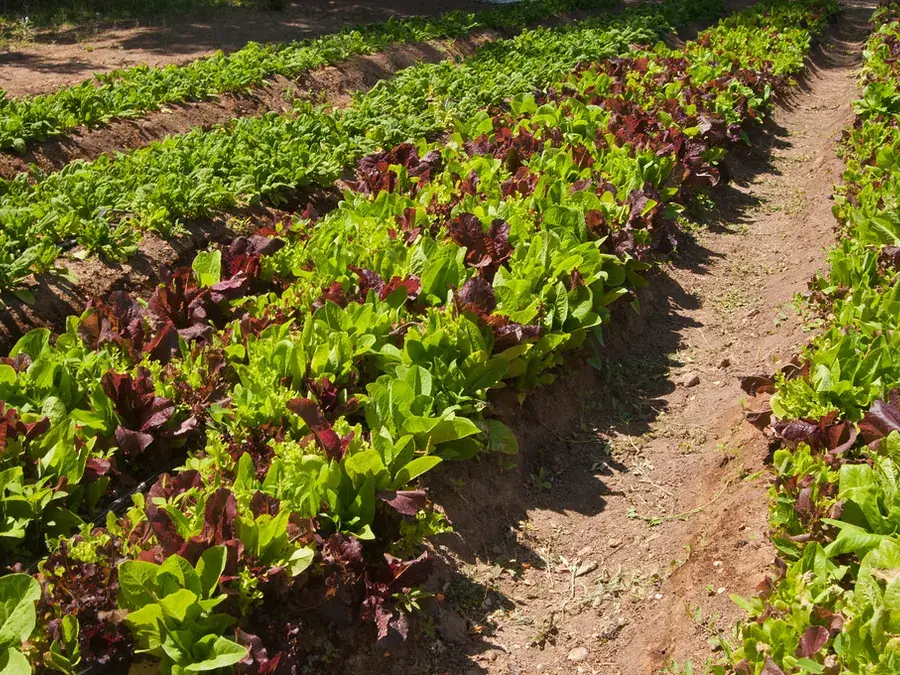 Half-hardyLeafy greensHarvest May–Oct
Lettuce
Eat it the week it is ready — it is the one crop that cannot be put up for winter.
Eaten freshHarvest and storage →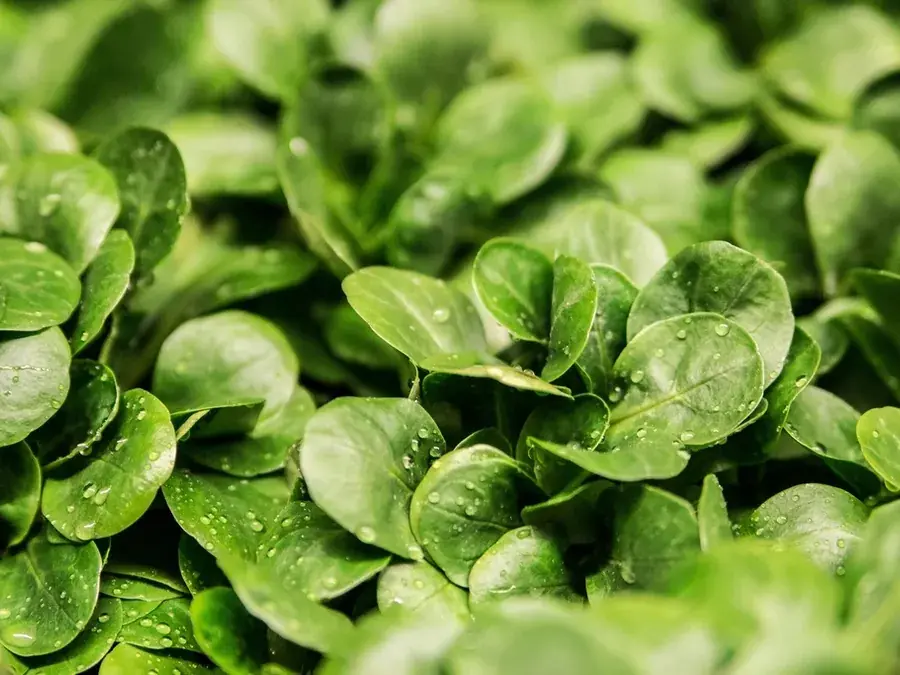 Very hardyLeafy greensHarvest Apr–Nov
Spinach
The hardiest green there is: sown in September, picked in April, and the first thing in the freezer in June.
FreezingHarvest and storage →
Checked against these sources ·
- RHS: How to grow rocket
- PROTA (Pl@ntUse): Eruca vesicaria
- UF/IFAS: Florida Vegetable Gardening Guide (SP 103)
- Seed Savers Exchange: Grow and save arugula seeds
- NCHFP: Freezing pesto
- NCHFP: Foods that do not freeze well
- FAO ECOCROP: Eruca sativa data sheet
Harvest months are typical for zones 4–6 and shift by weeks north and south. Storage figures assume ideal conditions; without a cold store, expect the shorter end of each range.