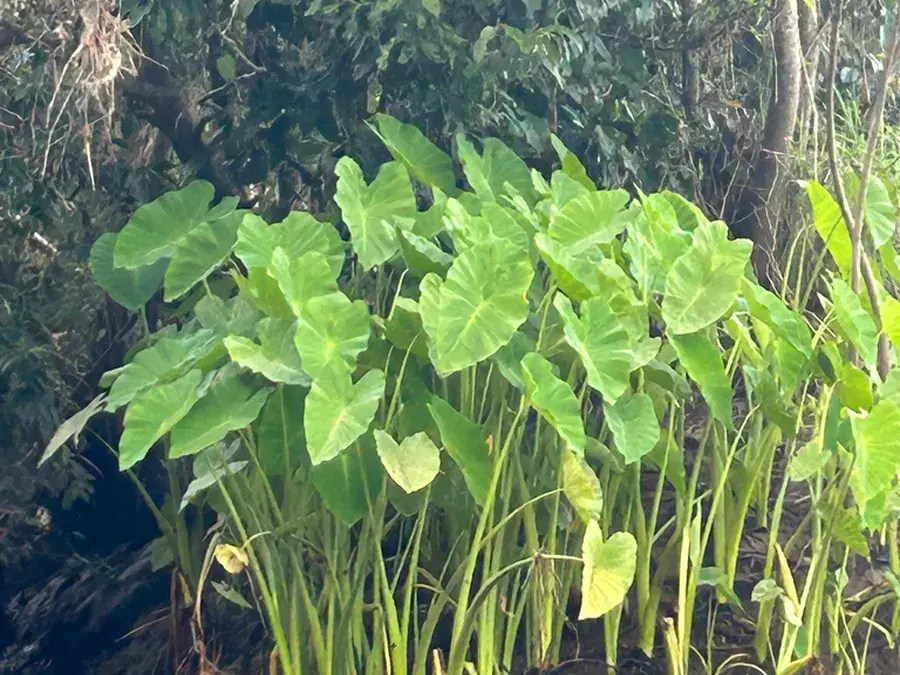
Photo Dave Shenton via Openverse · CC BY 4.0
Taro (cocoyam, madumbe)
Colocasia esculenta
Cocoyam, madumbe, dasheen, eddoe — a corm for the wet corner of the garden, with leaves to cook as well, and always eaten cooked.
- Signs of ripeness
- Leaves can be picked from about two months after planting. Corms are ready 8–10 months after planting for dasheen types and 5–7 months for eddoes, and a few months later where taro grows in flooded beds. The signs are yellowing leaves and corms lifting slightly at the soil surface; immature corms can be dug from five months.
- Harvesting
- Lift corms with a fork in dry weather — dry corms store better — and handle them gently, because bruised corms rot within days. Cut off the tops; the top 1–2 cm of the main corm with 15–20 cm of leaf stalk can be replanted as a sett. Dasheen types can be ratooned by lifting the main corm and leaving the small ones to grow on. For greens, pick young leaves that are unfolding or just opened; heavy leaf picking reduces corm size and yield.
- Frost tolerance
- Taro is a tropical plant and frost kills its leaves. Eddoe types, with a cluster of small cormels, stand cold better than dasheen types with one big corm, which is why eddoes are grown as far north as Korea and Japan. In a garden with frost, lift the corms before the first one and keep a few for replanting.
Storage
Storing taro (cocoyam, madumbe)
| Where | Temperature | Humidity | Keeps | How |
|---|---|---|---|---|
| In the ground | 20–30 °C68–86 °F | high | Until needed | Planting corms, and corms for the kitchen, are often simply left in the ground and lifted as needed. |
| Cool, airy shed, unwashed | 20–28 °C68–82 °F | moderate | 2–6 weeks | Sound, unbruised corms keep up to six weeks at ambient temperature, though often only two. Leaves keep a few days at most. |
| Cool room | 10–12 °C50–54 °F | high | Up to 6 months for dasheen types | Dasheen corms store up to six months at about 10 °C. |
Preserving
Preserving taro (cocoyam, madumbe)
Taro is eaten cooked, always. The corms, leaves and leaf stalks are full of needle-like bundles of calcium oxalate crystals (raphides) that make the mouth and throat itch and burn when raw, and cooking removes this; some cocoyam carries about 780 mg of calcium oxalate per 100 g, and high-oxalate cultivars are made milder by peeling, grating, soaking and fermenting, as in West African fufu and Hawaiian poi. Taro also contains enzyme inhibitors that cooking largely destroys. The best preservation is storage: dasheen corms keep up to six months at about 10 °C, and corm slices can be sun-dried into chips. There is no tested home-canning process for taro, so cook it fresh and freeze cooked dishes if you have a surplus.
The oldest method: the right cold, the right damp, and darkness.
A dehydrator or a low oven; light, keeps for a year.
Seed saving
Grown from tubers, cloves, crowns or runners, not seed
Taro is propagated vegetatively, from side suckers, small unmarketable cormels of 60–150 g, pieces of corm, or setts — the top 1–2 cm of the main corm with 15–20 cm of leaf stalk attached, the ‘huli’ of Hawaii. Plant cormels 5–7.5 cm deep. Take planting material only from healthy plants, because taro leaf blight and soft rots travel on infected corms. Most clones rarely flower, and seed is used only by breeders.
Keeps: Not applicable. Planting corms are usually left in the ground until needed; stored at 11–13 °C and 85–90% humidity they grow away better than corms held at 2 °C.
Seed saving →Next year
Planning taro (cocoyam, madumbe) for next season
Taro does best where water is never short — beside a river or tap, or in the low, wet corner of the garden — in fertile soil rich in organic matter at pH 5.5–6.5, with plenty of potash. It tolerates shade, so it can grow under bananas, coconut or coffee. Dasheen types like heavy, moisture-holding soil and can stand in shallow, moving water; eddoes prefer well-drained loam and tolerate drought better. Plant at the start of the rains: around March in southern Ghana and Nigeria, with the long rains in East Africa, and in spring, from September to November, in KwaZulu-Natal, where it is madumbe; around the eastern Mediterranean (Cyprus, Egypt), in spring once the soil is warm. Space plants 50–80 cm apart in rows 70–120 cm apart and weed until the leaves close over. Rotate beds every few years.
Taro (cocoyam, madumbe) at a glance
- Botanical name
- Colocasia esculenta
- Group
- Roots
- Picked
- October, November, December, January
- Frost
- Tender: finished by the first frost.
- Best put up as
- cold storage, drying
- Seed
- Grown from tubers, cloves, crowns or runners, not seed
Questions people ask about taro (cocoyam, madumbe)
Can you eat taro raw?
No. Raw taro corms and leaves contain bundles of needle-like calcium oxalate crystals that make the mouth and throat itch and burn; cooking removes the problem. Boil, steam, roast or fry the peeled corms thoroughly, and cook the leaves well.
Are taro leaves edible?
Yes, cooked. Taro leaves and leaf stalks are a popular potherb in West Africa, north-eastern India and the Caribbean, where they are one form of callaloo. Pick young leaves from two months after planting, and never eat them raw — dasheen types are less acrid than eddoes, but all need cooking.
What is the difference between taro, cocoyam and madumbe?
They are names for the same plant, Colocasia esculenta: madumbe (amadumbe) is the Zulu name and cocoyam the West African one, though in West Africa ‘cocoyam’ also covers tannia, Xanthosoma sagittifolium, a related crop. Dasheen types form one large main corm; eddoes form a cluster of smaller cormels.
How long does taro take to grow?
Eight to ten months for dasheen types and five to seven months for eddoes, and longer in flooded beds. Leaves can be picked from about two months, and immature corms dug from five.
How do you store taro?
Leave the corms in the ground until you need them, or lift them in dry weather and keep unbruised corms in a cool, airy place, where they last two to six weeks. Dasheen corms keep up to six months at about 10 °C.
Can I grow taro in a cold-winter country?
Only as a summer crop with a long, warm season, and expect small corms. Eddoe types tolerate cool weather best. Start corms indoors in pots in spring, plant them out into warm, wet soil after the last frost, and lift them before the first one.
Local frost dates
Harvest timing for a place
Enter a town, postal code or ZIP to build the garden year, the frost forecast and this week’s guide from local weather.
Also in roots
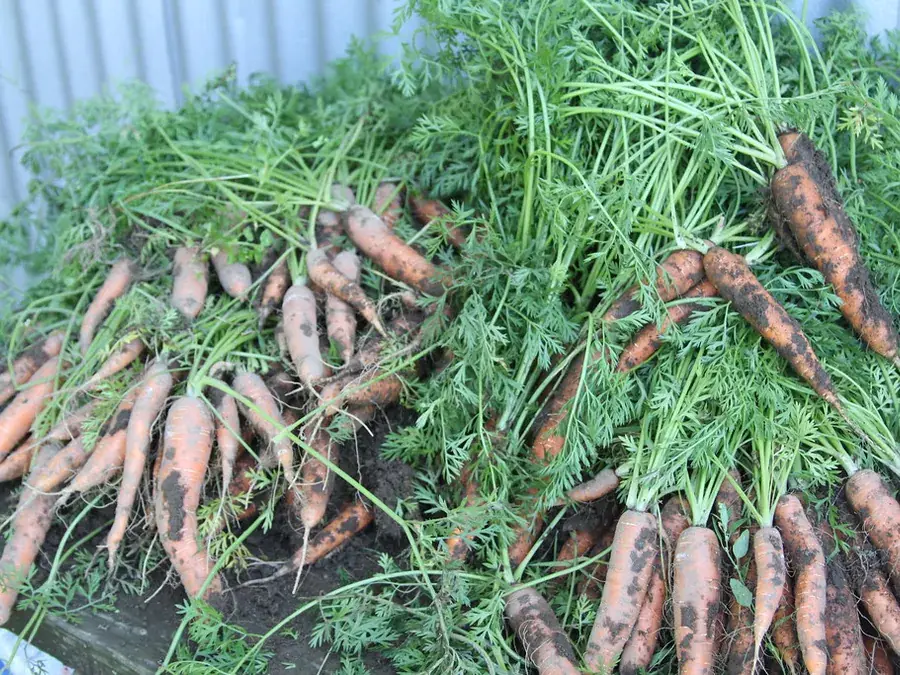 HardyRootsHarvest Jul–Nov
Carrots
The root that gets sweeter the longer autumn goes on — and keeps until spring if you treat it right.
Cold storage · Pressure · FreezingHarvest and storage →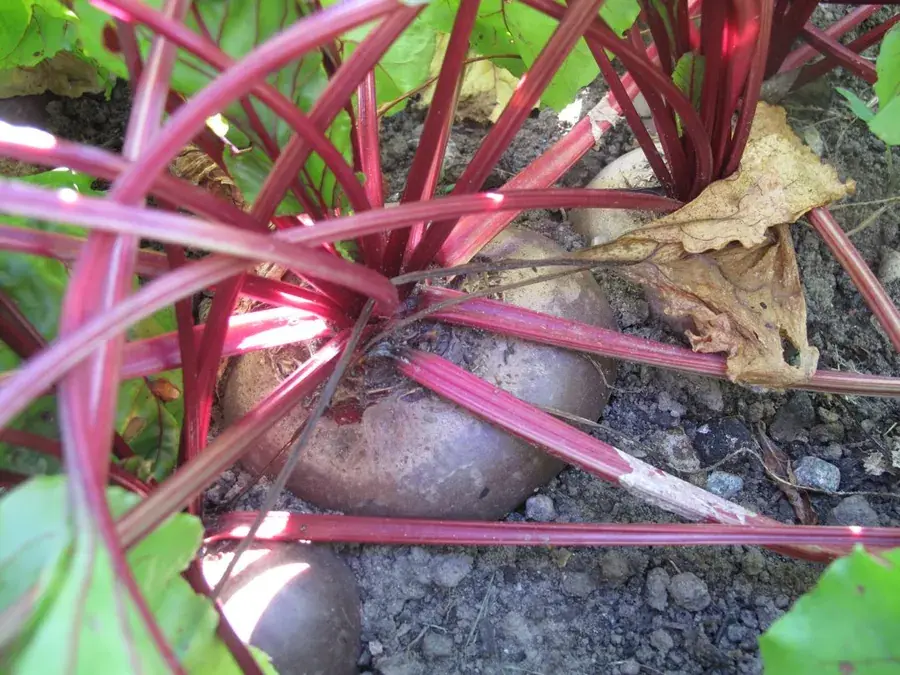 HardyRootsHarvest Jul–Oct
Beets
Two crops in one bed — the roots for the cold room, the greens for tonight.
Pickling · Pressure · FreezingHarvest and storage →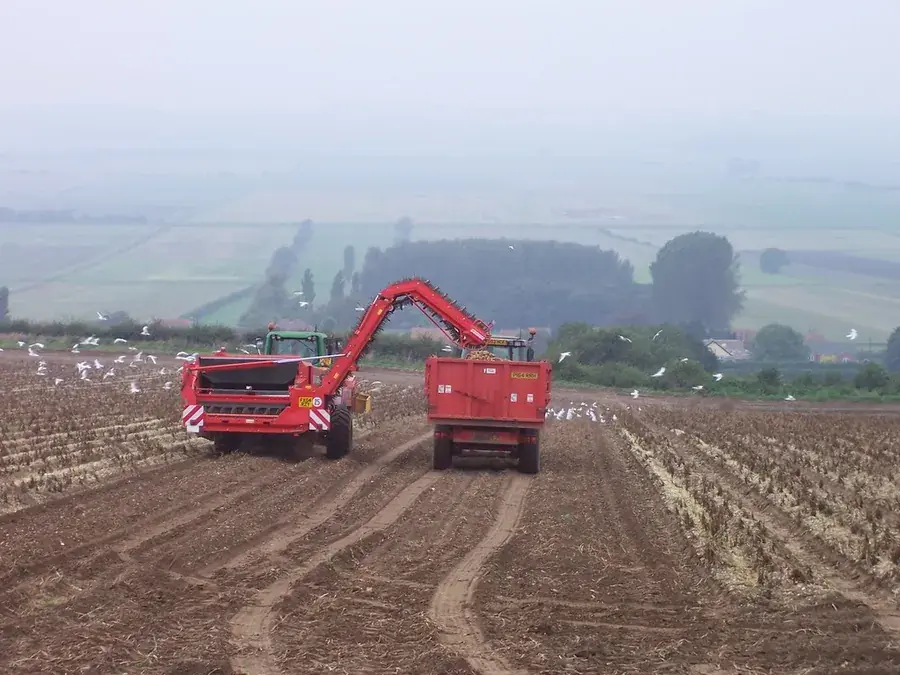 Half-hardyRootsHarvest Jul–Oct
Potatoes
The crop children remember digging — and the one that needs two weeks in the dark before it goes anywhere.
Cold storage · Pressure · FreezingHarvest and storage →
Checked against these sources ·
- PROTA (Pl@ntUse): Colocasia esculenta
- FAO: Roots, tubers, plantains and bananas in human nutrition — toxic substances and antinutritional factors
- FAO ECOCROP: Colocasia esculenta data sheet
Harvest months are typical for zones 4–6 and shift by weeks north and south. Storage figures assume ideal conditions; without a cold store, expect the shorter end of each range.