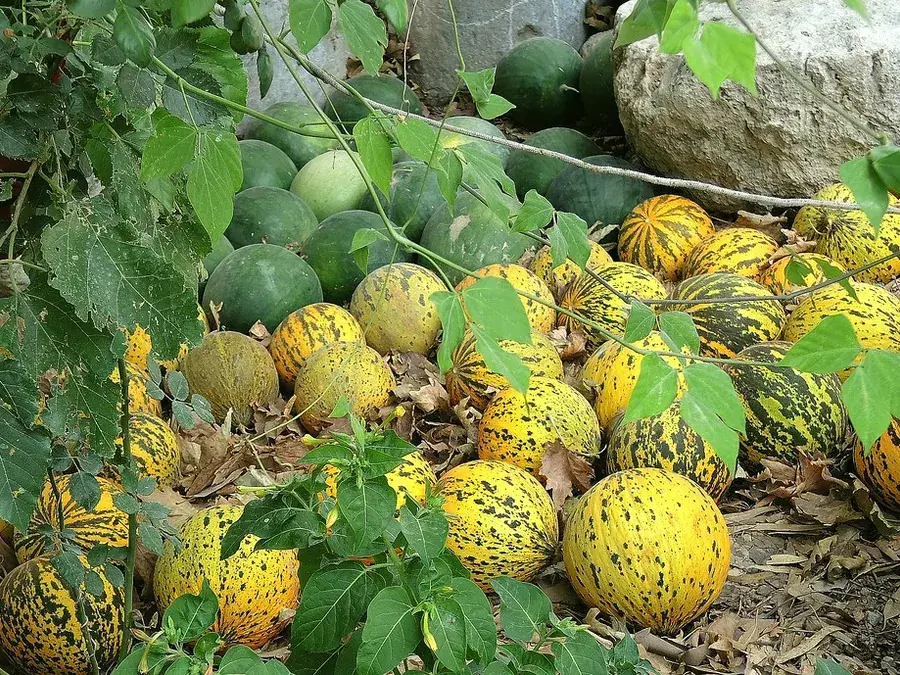
Watermelons
Citrullus lanatus
Born in the dry sands of southern Africa — it wants heat, room and dry air, and tells you it is ripe with a yellow belly and a dead tendril.
- Signs of ripeness
- A ripe watermelon has a creamy-yellow ground spot where it rests on the soil, a shrivelled, browning tendril on the vine just opposite the fruit stalk, a skin that has lost its gloss and turned dull and waxy, and a muffled, hollow sound when tapped with a knuckle. Fruit is mature 30–50 days after pollination, and most varieties take 80–100 days from sowing. Watermelons do not ripen further after picking.
- Harvesting
- Cut the stalk with a sharp knife, leaving about 5 cm on the fruit, rather than pulling the melon from the vine. Fruit picked in the afternoon is less turgid and less likely to crack. Handle them gently: watermelons crack and bruise easily.
- Frost tolerance
- Watermelon vines die at the first frost and stop growing well before it, and the seed will not germinate below 15 °C. Pick every ripe melon before a frost; unripe ones do not ripen after picking, so there is no point bringing them in green.
Storage
Storing watermelons
| Where | Temperature | Humidity | Keeps | How |
|---|---|---|---|---|
| Cool room or shaded veranda, whole fruit | 10–15 °C50–59 °F | high | 2–3 weeks | Whole, unblemished fruit at 10–15 °C and about 85% humidity. Cut melon goes in the fridge, covered, and is best eaten within a few days. |
Preserving
Preserving watermelons
Watermelon is a fruit for eating fresh, but both flesh and rind can be kept. Seeded cubes or balls of firm, ripe flesh freeze unsweetened or in a cold 30% syrup; they thaw soft, so use them for sorbets and drinks. The rind makes two tested NCHFP preserves: watermelon rind pickles — the green skin and pink flesh trimmed away, the white rind soaked in a salt brine with ice, simmered tender, steeped overnight in a spiced syrup of sugar and 5% vinegar, cooked an hour and processed 10 minutes for 500 ml jars — and watermelon rind preserves. Do not can plain watermelon flesh or juice: there is no tested process for it.
The fastest route and the one that keeps flavour best.
Vinegar does the preserving; the canner just seals the jar.
Jars boiled in a big pot — for high-acid food only.
Seed saving
Cross-pollinates readily: needs isolation
Watermelons are bee-pollinated and cross with other watermelons, including the egusi seed melons of West Africa, which belong to the same species, but not with cucumbers, squash or sweet melons. For pure seed keep varieties at least 250 m (800 ft) apart or hand-pollinate a few fruits. Seed from an ordinary eating-ripe melon is mature: rinse it, dry it in a thin layer on paper plates or screens, and store it airtight. Seedless watermelons give no seed and need a seeded variety planted nearby to pollinate them; F1 hybrids will not come true.
Keeps: About five years cool, dark and dry in an airtight container; kept dry below 18 °C, at least eight.
Seed saving →Next year
Planning watermelons for next season
Watermelons are cucurbits: keep them off beds that grew cucumbers, melons, squash or pumpkins in the last two years. They want full sun, a long hot season, room to sprawl — hills at least 1.8 m apart — and well-drained sandy loam at pH 6–7; heavy rain and humidity bring rampant leaves and leaf and fruit rots, and waterlogged soil invites anthracnose. Sow three or four seeds per hill, 2–4 cm deep, once the soil is warm, thinning to the strongest two, or transplant pot-raised seedlings at three or four true leaves without disturbing the roots. In the West African savanna and the Sahel sow early in the rains, or under irrigation in the dry season, when yields are higher; in summer-rainfall southern Africa from September to December; around the Mediterranean from late April into May. In Canada start seed in pots 4–6 weeks before the last frost, plant out on black plastic once nights are warm, and grow small ‘ice-box’ varieties.
Watermelons at a glance
- Botanical name
- Citrullus lanatus
- Group
- Fruiting vegetables
- Picked
- July, August, September
- Frost
- Tender: finished by the first frost.
- Best put up as
- freezing, pickling, water-bath canning
- Seed
- Cross-pollinates readily: needs isolation
Questions people ask about watermelons
How do you tell when a watermelon is ripe?
Look for four signs together: the ground spot underneath has turned from white to creamy yellow, the curly tendril opposite the fruit stalk has shrivelled and browned, the rind has gone from glossy to dull, and the fruit sounds hollow and taut when you knock on it.
Will a watermelon ripen after picking?
No. Watermelons do not continue ripening once cut from the vine, so an under-ripe melon stays pale and bland. Wait for the ripeness signs before you cut.
Why do seedless watermelons need another variety nearby?
Seedless watermelons produce too little viable pollen of their own, so they need a seeded variety planted among them, and bees to carry its pollen, to set fruit dependably.
Can I grow watermelons in Canada?
Yes, with a small, early ‘ice-box’ variety and a head start. Sow in pots indoors 4–6 weeks before the last frost, plant out after it into soil warmed under black plastic, cover with row cover early on, and give them the sunniest bed; most varieties need 80–100 days.
Can you freeze watermelon?
Yes: cut firm, ripe flesh into cubes or balls, remove the seeds, and freeze unsweetened or in a cold 30% syrup. It thaws soft and watery, so use it for smoothies, sorbets and drinks.
How do you pickle watermelon rind?
Trim off the green skin and pink flesh, cut the white rind into pieces, soak 3–4 hours in salted iced water, simmer until just tender, then steep overnight and cook an hour in a spiced sugar syrup made with 5% vinegar, following the tested NCHFP recipe; process pint jars 10 minutes in a boiling-water canner near sea level.
Local frost dates
Harvest timing for a place
Enter a town, postal code or ZIP to build the garden year, the frost forecast and this week’s guide from local weather.
Also in fruiting vegetables
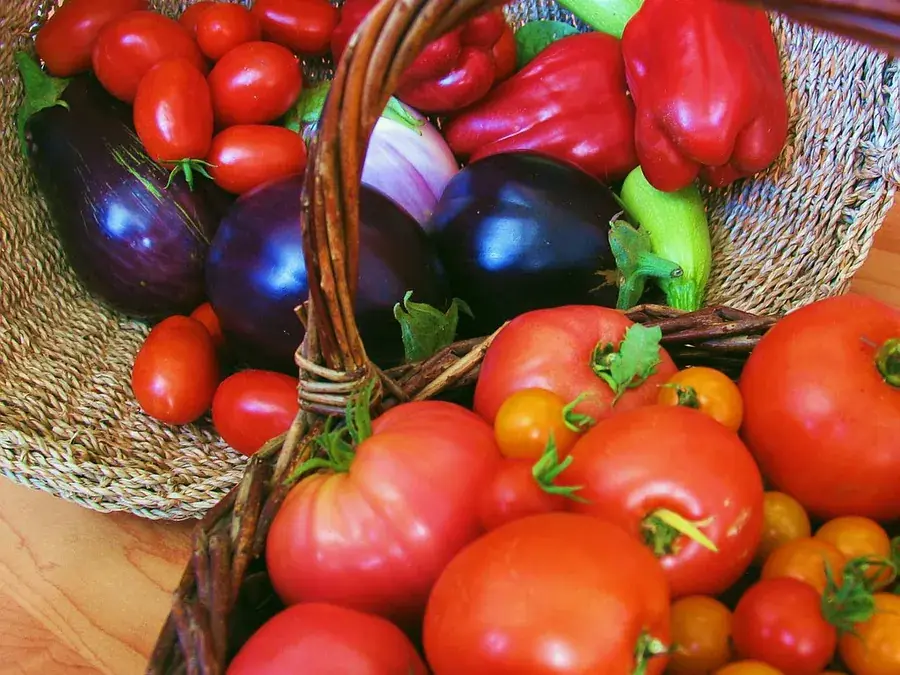 TenderFruiting vegetablesHarvest Jul–Oct
Tomatoes
The crop every garden ends up with too many of at once — and the one most worth putting up.
Water-bath · Freezing · DryingHarvest and storage →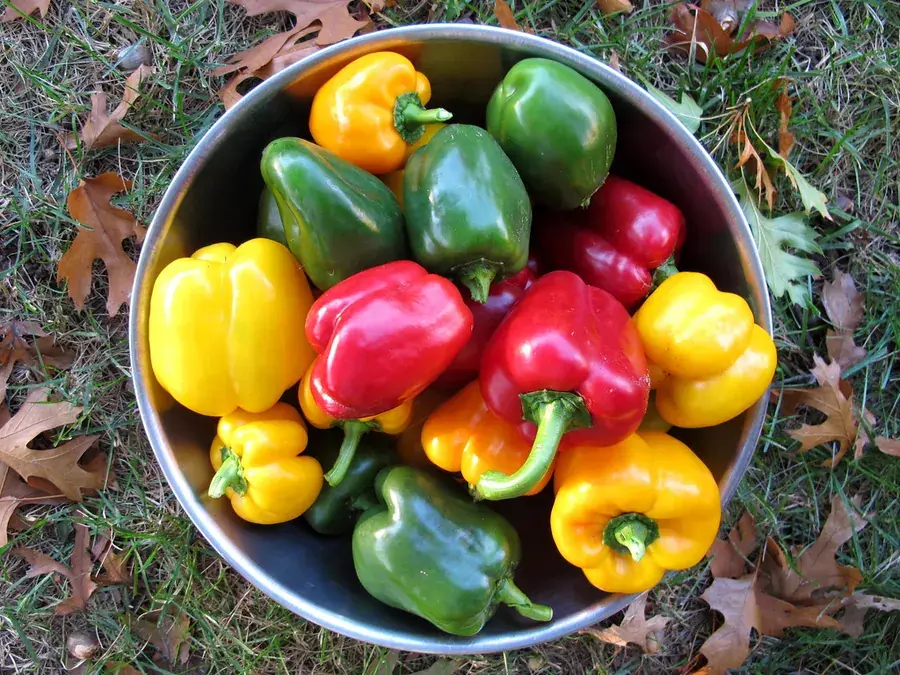 TenderFruiting vegetablesHarvest Jul–Oct
Sweet peppers
Slow to colour, quick to freeze — the pepper harvest is a race between the plant and the first frost.
Freezing · Pickling · PressureHarvest and storage →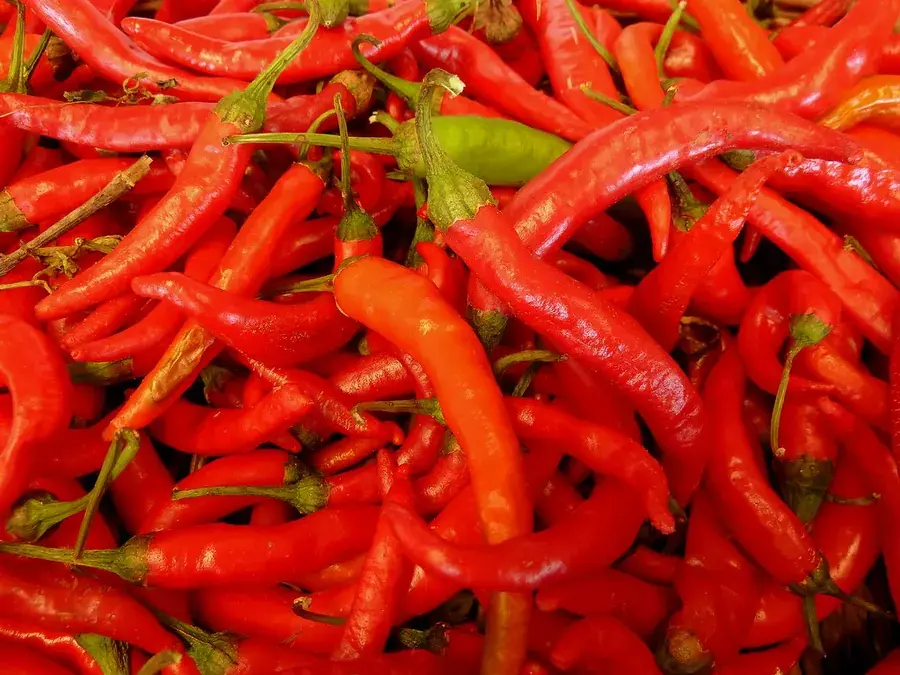 TenderFruiting vegetablesHarvest Aug–Oct
Hot peppers
A handful of plants gives a year of heat — dried on a string, pickled in rings, or fermented into sauce.
Drying · Pickling · FermentingHarvest and storage →
Checked against these sources ·
- PROTA (Pl@ntUse): Citrullus lanatus
- UF/IFAS: Florida Vegetable Gardening Guide (SP 103)
- Seed Savers Exchange: Grow and save watermelon seeds
- NCHFP: Watermelon rind pickles
- NCHFP: Watermelon rind preserves
- NCHFP: Freezing melons
- FAO ECOCROP: Citrullus lanatus data sheet
Harvest months are typical for zones 4–6 and shift by weeks north and south. Storage figures assume ideal conditions; without a cold store, expect the shorter end of each range.