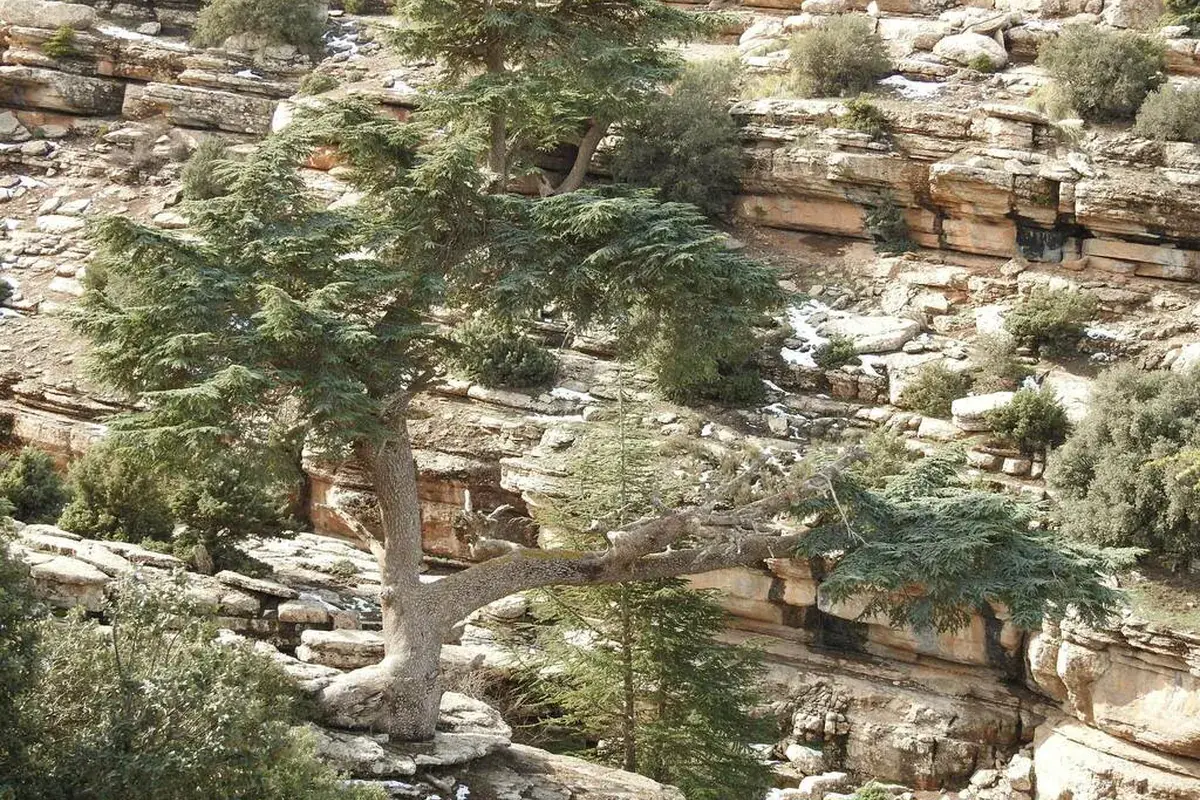
 Atlas cedar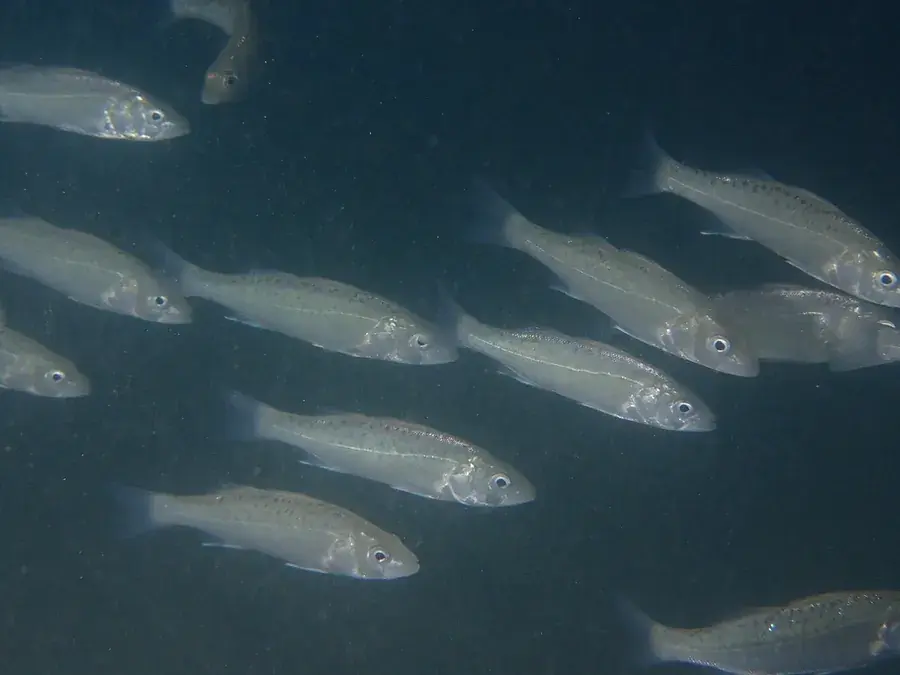
Photos: Mourad Harzallah (CC BY 4.0) · Julien Renoult (CC BY 4.0) · Public domain (iNaturalist) (CC0) on iNaturalist.
Mediterranean forests, woodlands and scrub · Zones 8–11
Mediterranean North Africa & Atlas
The Maghreb coast and the Atlas mountains: hot dry summers, mild rainy winters, olive, argan and cedar.
Olive and citrus groves on the coastal plains, cork oak and Atlas cedar on the mountains, terraced valleys, and the desert beginning beyond the last ridge.
Get your local guide
Places in this region
Gardening
Winter is the main growing season: broad beans, peas, greens, onions and brassicas from autumn to spring; tomatoes, peppers and melons with irrigation in summer.
About gardening guides →Fishing
Sea bass, bream and mullet from the coast; brown and rainbow trout in Atlas streams and lakes; carp, pike and black bass in the dams.
About fishing guides →Foraging
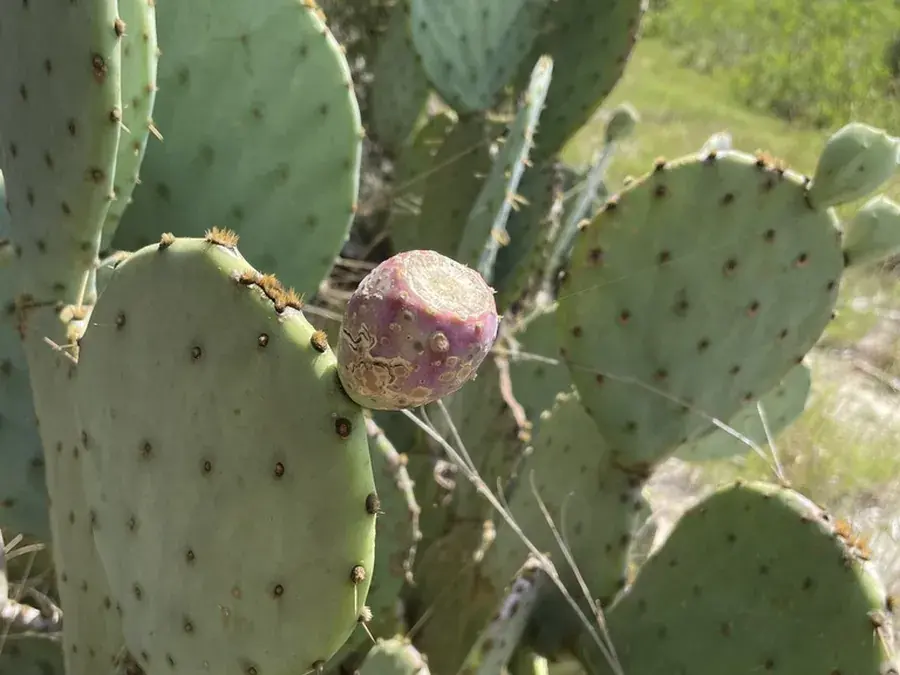
Wild asparagus, fennel and mallow greens, prickly pear, wild thyme and oregano, carob, and capers from old walls.
About foraging guides →In season now · October
What you can pick right now
10 wild edibles typically ready in October in Mediterranean North Africa & Atlas. Seasons shift a week or two with the weather — check each one before you go.
 FruitSeptember – October
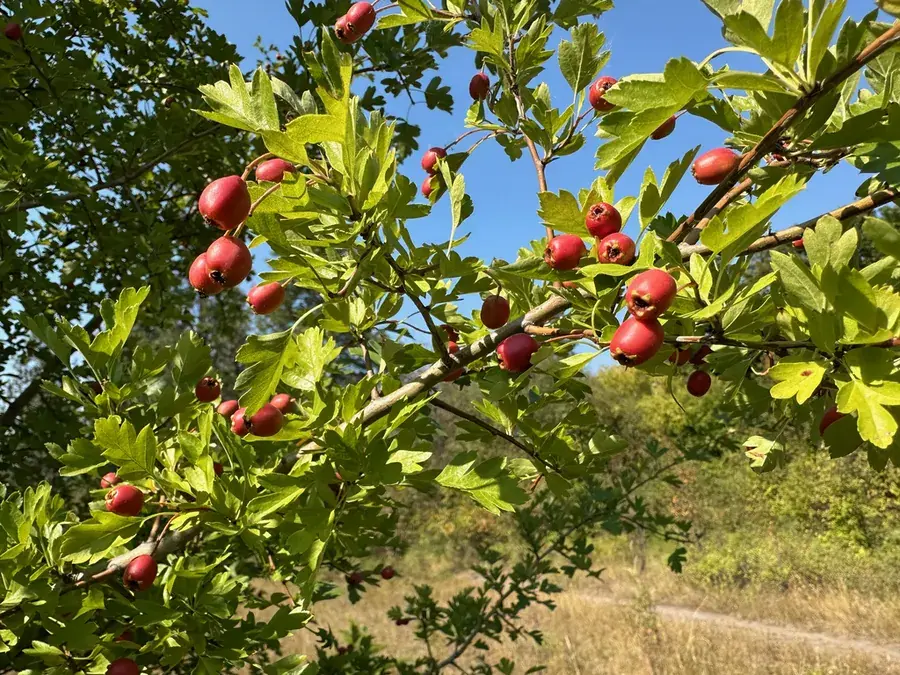
Hawthorn berries
Crataegus spp.
Thorny small tree with lobed leaves and clusters of small red haws, each holding one to five hard stones. Cut one open to see the stones.
How to know it & its look-alikes →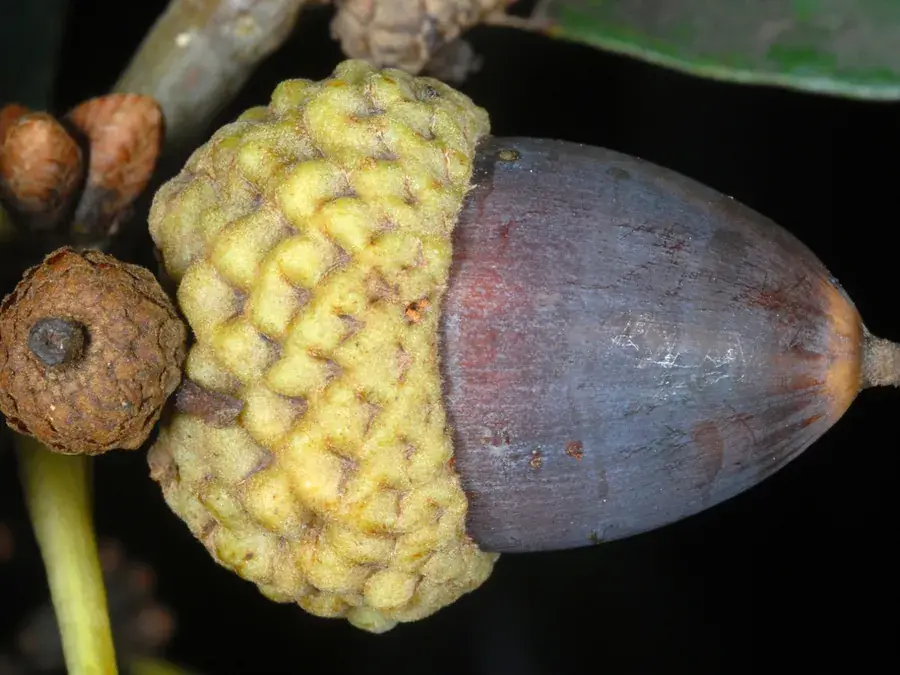 NutSeptember – November
Acorns
Quercus spp.
Collect brown, freshly fallen nuts with no weevil holes; float them in water and discard the ones that swim.
How to know it & its look-alikes →Photo: Douglas Goldman · CC BY-SA 4.0
 FruitSeptember – November
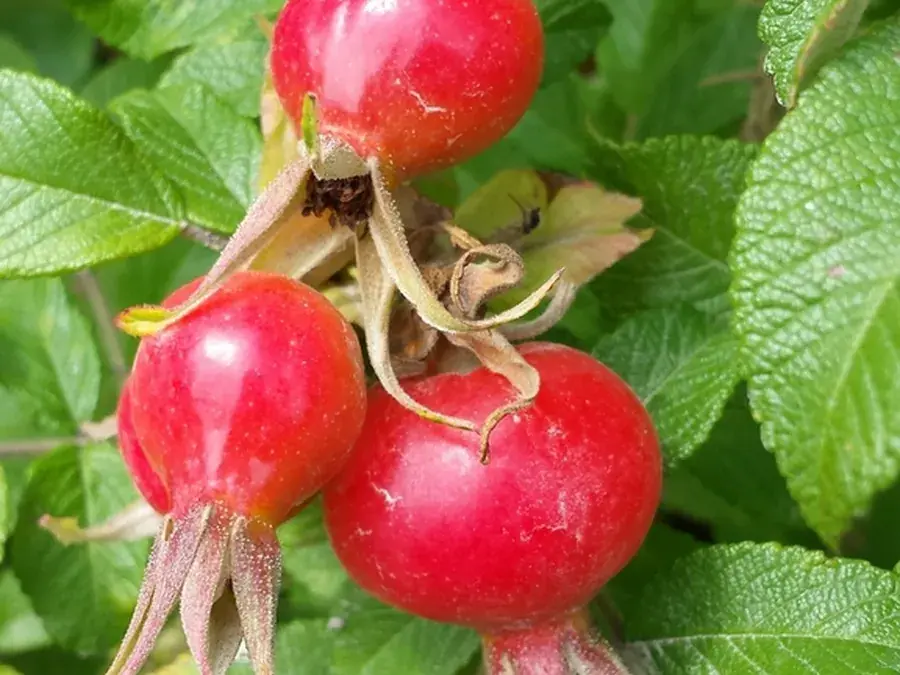
Rose hips
Rosa spp.
The red-orange fruit left after a wild rose blooms, topped with a dried five-pointed crown of sepals.
How to know it & its look-alikes →Photo: Tom Norton · CC BY 4.0
 FruitOctober – December
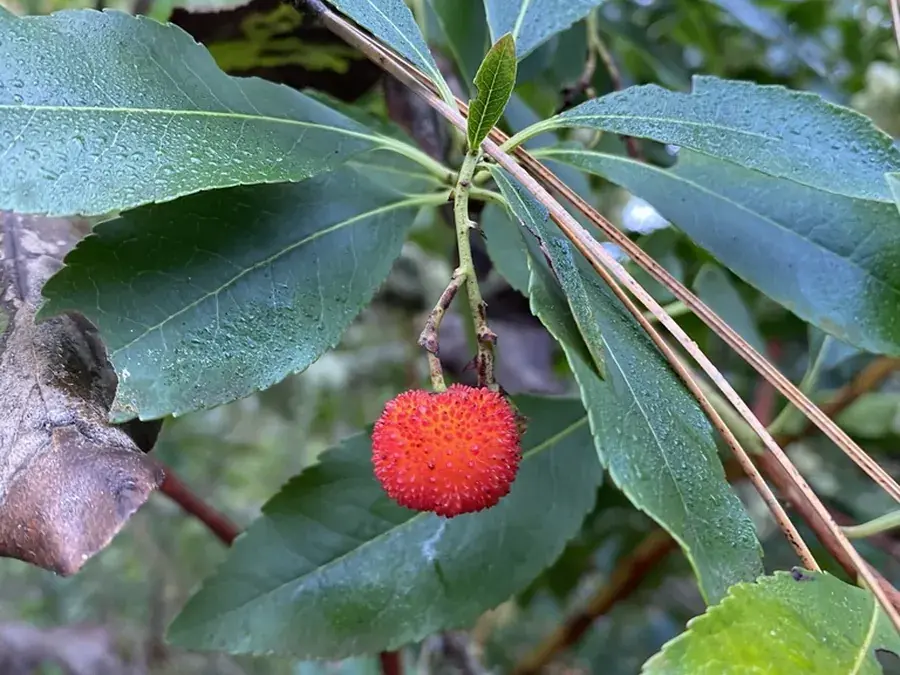
Strawberry tree (arbutus)
Arbutus unedo
An evergreen shrub or small tree with glossy, toothed leaves and red-brown, peeling bark. Round, warty red fruits 1.5–2 cm (⅝–¾ in) across ripen in autumn at the same time as the next year’s clusters of creamy, bell-shaped flowers.
How to know it & its look-alikes →Photo: John Leszczynski · CC BY 4.0
 RootMarch – May, October – November
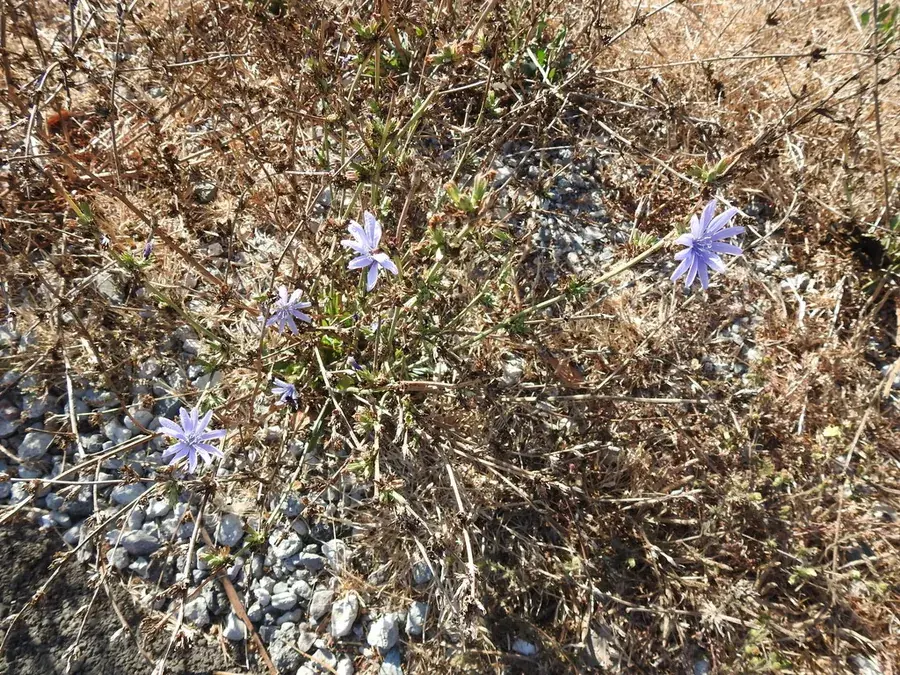
Chicory
Cichorium intybus
Sky-blue flowers 3–4 cm (1–1½ in) across with square-ended, fringed petals, opening in the morning and closing by early afternoon, scattered up a stiff, nearly leafless, zigzag stem to 1.5 m (5 ft). A dandelion-like basal rosette with a bitter milky sap and a deep taproot.
How to know it & its look-alikes →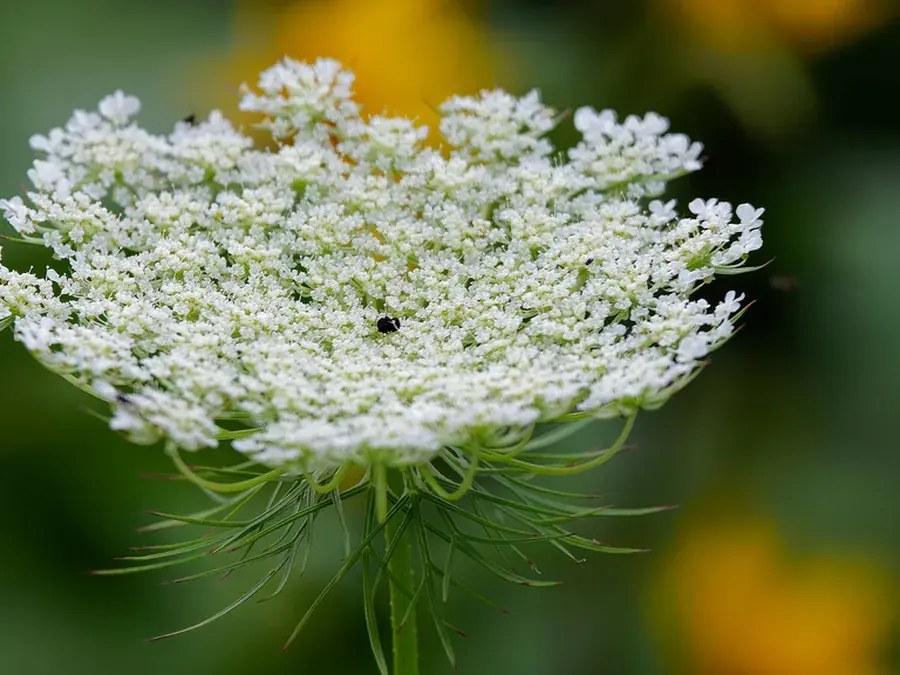 Has a dangerous look-alikeRootMarch – April, September – November
Wild carrot (Queen Anne's lace)
Daucus carota
A hairy, ribbed stem and leaves that smell exactly like carrot when crushed — both are required. In flower, a flat white umbel with a whorl of forked green bracts underneath and usually one dark purple floret in the centre; the old head curls into a bird’s nest.
How to know it & its look-alikes →Photo: Daughter Dad · CC BY 4.0
4 more in season here — see the full foraging calendar →
Photographs are research-grade observations from iNaturalist, each credited to its photographer. They show a typical specimen, not every variation — never identify from a photo alone. Confirm with a regional field guide or an experienced forager before you eat anything wild.
In the water now · October
What's biting
The sport fish active in Mediterranean North Africa & Atlas in October — where they hold, how to know one on the line, and the tactic that usually works. Check your licence and the current limits before you go.
 FishApr–Oct
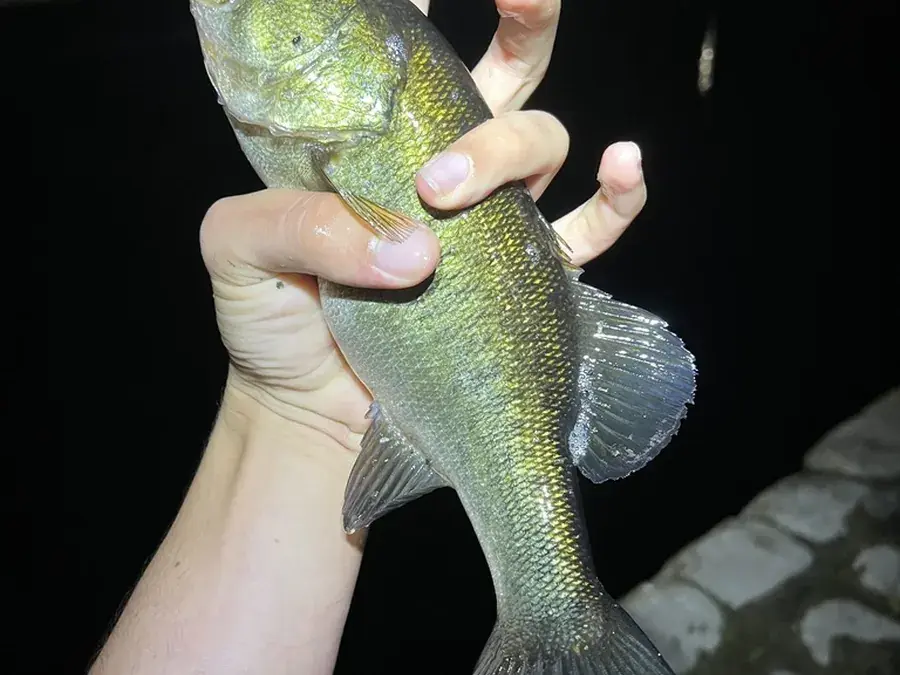
Largemouth bass
Micropterus nigricans
Green with a dark lateral stripe, and an upper jaw that extends past the back of the eye.
Where and how to catch it →Photo: Nick Tobler (Cowturtle) · CC BY 4.0
 FishJan–Jun, Sep–Nov
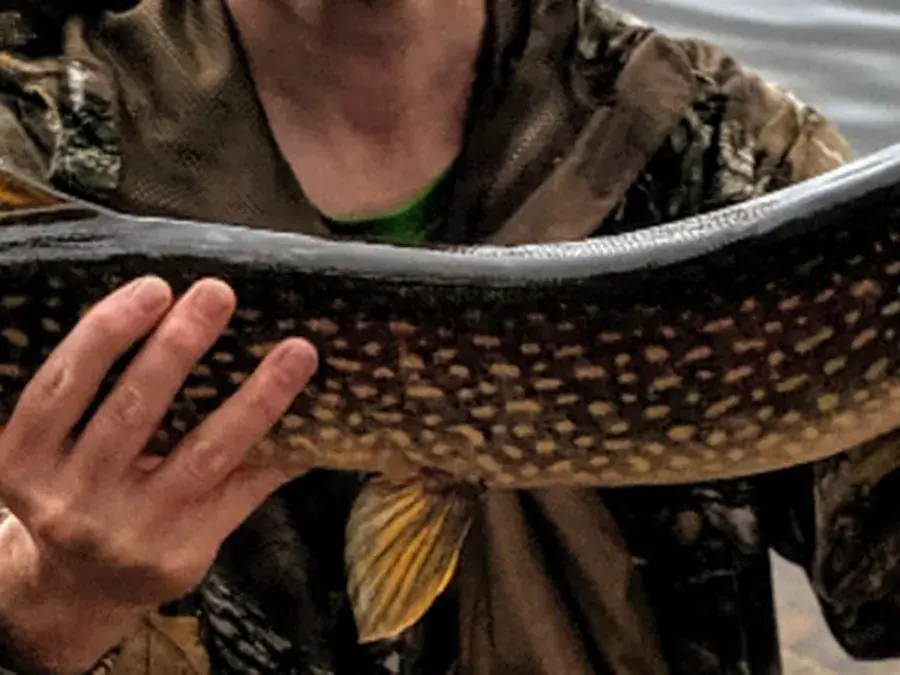
Northern pike
Esox lucius
Long torpedo body, duck-like jaws, light bean-shaped spots on a dark green flank.
Where and how to catch it →Photo: Daughter Dad · CC BY 4.0
 FishMar–Jun, Sep–Nov
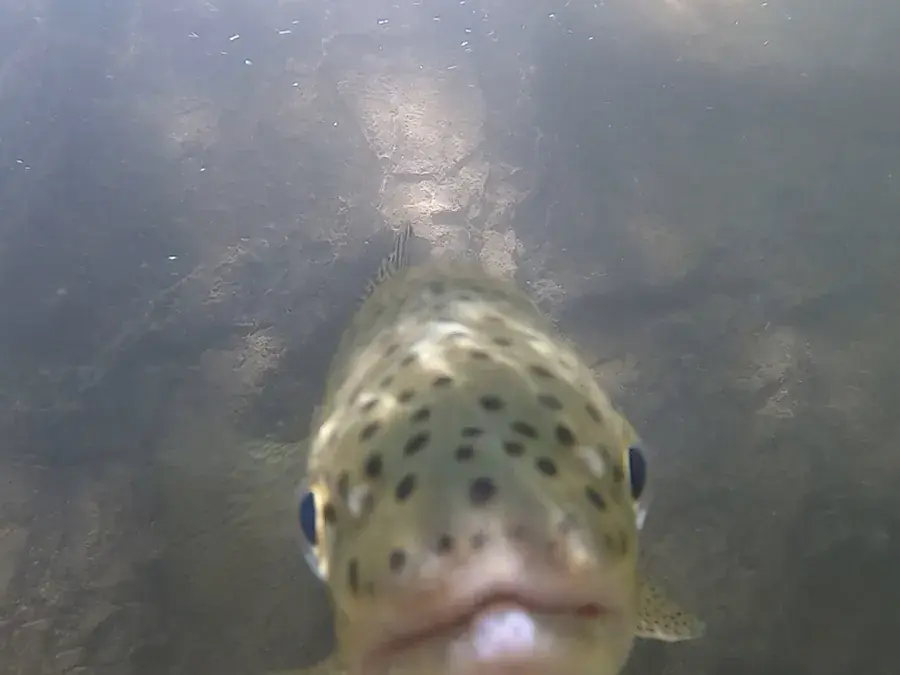
Rainbow trout
Oncorhynchus mykiss
A pink-red band down the flank, small black spots over the whole body and tail.
Where and how to catch it →Photo: Mike Heine · CC BY 4.0
Photographs are research-grade observations from iNaturalist, each credited to its photographer. Ranges and timing are typical, not guaranteed — 87 species are covered across North America, Europe and Africa.
In the garden now · October
Who else is working the garden
The insects and soil life out in Mediterranean North Africa & Atlas in October. Most of them are on your side — learn the few that aren't before you reach for anything.
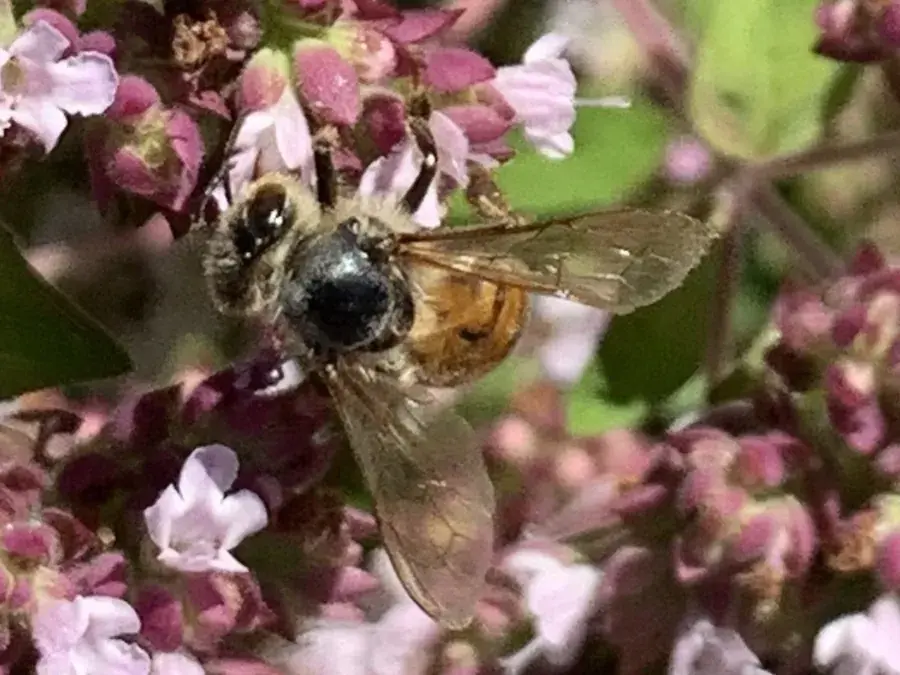 PollinatorMar–Oct
Honey bee
Apis mellifera
Golden-brown, banded, furry thorax, and pollen packed onto the hind legs in visible baskets.
What it does in the garden →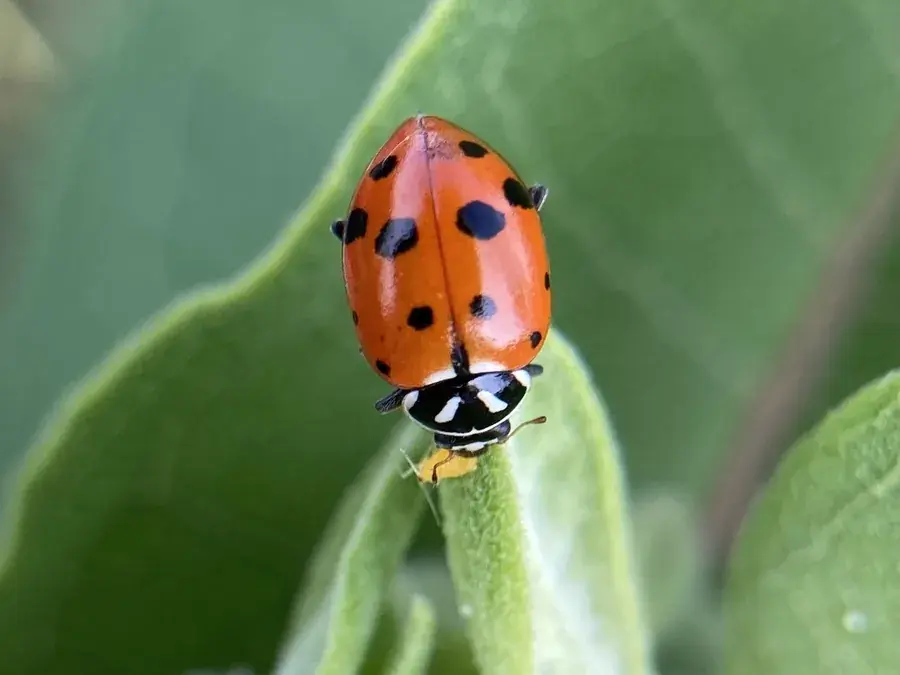 BeneficialApr–Oct
Lady beetle
Coccinellidae
The adult everyone knows; the larva is the useful one — a spiky, alligator-shaped grey-and-orange creature that looks like a pest.
What it does in the garden →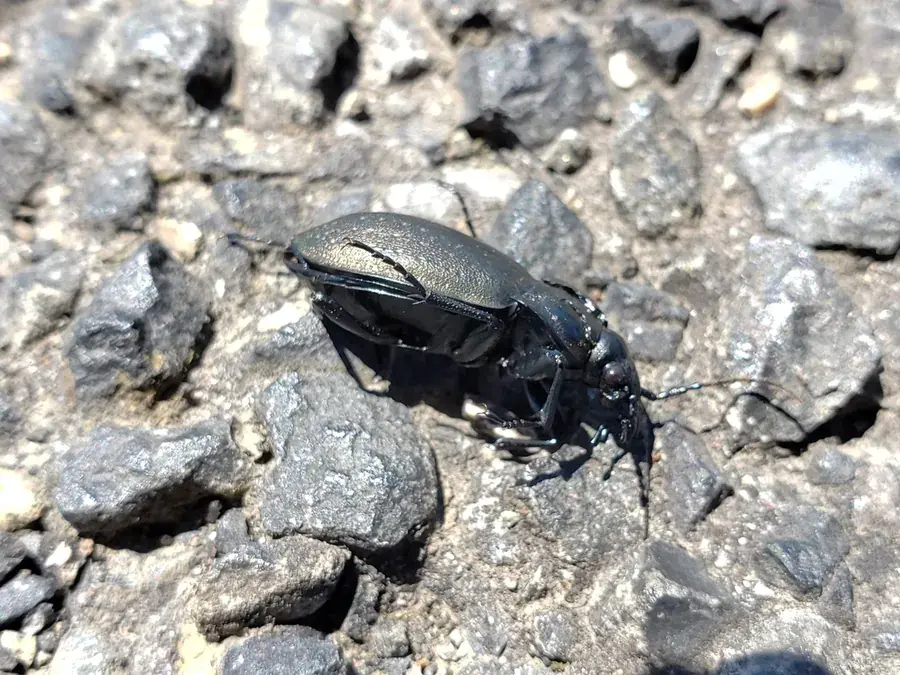 BeneficialApr–Oct
Ground beetle
Carabidae
Shiny black or bronze, fast-running, with grooved wing covers and long legs.
What it does in the garden →Photo: Gavin Slater · CC BY 4.0
Photographs are research-grade observations from iNaturalist, each credited to its photographer. Ranges and timing are typical, not guaranteed — 87 species are covered across North America, Europe and Africa.
The weekly note for Mediterranean North Africa & Atlas
Enter your email and we'll tune it to your area once you look up a location.
Try it
Why Mediterranean North Africa & Atlas looks the way it does
Warmth and rain decide what can live in a place. The dial starts on the kind of land closest to this region — turn it warmer, colder, wetter or drier and see what would grow instead.
Prairie grassland
Like Saskatchewan
Warm and dry: too dry for many trees, so grass grows as far as you can see — bison and meadowlarks live here.
Warmth and rain decide what can live in a place. They decide which plants can grow, and the plants decide which animals can live there.
Say it like this
- Age 2“Brrr, cold! Now make it hot. Now make it rain!”
- Age 4“Cold and dry makes tundra. Can you make a desert? Who lives there?”
- Age 6“Why can't a cactus grow in the rainforest, or a moose live in the desert? Warmth and rain decide what can live in a place.”
Go outside: Put a cup outside to catch the rain this week, and look at the thermometer each morning. Is your place warm or cool, wet or dry?
For Kids · The land and the sky