Gardening in Swakopmund
Erongo · Namib, Kalahari & Karoo · hardiness zone 11a
New here? Start with the gardening introNow
13°C · Clear
Today
18° / 11°
Soil 6 cm
22°C
First frost
Rare
Weather read at 12:35 a.m..
The garden year · Swakopmund
Growing all year
No frost to beat: the rains decide when to sow, and the dry season when to water.
- Sow with the rains
- Mulch and shade seedlings
- Water through the dry season
- Watch for pests
JASONDJFMAMJ
today
There is no frost here: the rains, not the cold, set the garden year. Sow as the rains arrive, and keep a watered bed through the dry season.
Plant the main crops with the next rains; mulch and shade seedlings in the heat.
Writing your field guide — reading the forecast, the moon and the map…
In the garden now · October
Who else is working the garden
The insects and soil life out near Swakopmund, Namibia in October. Most of them are on your side — learn the few that aren't before you reach for anything.
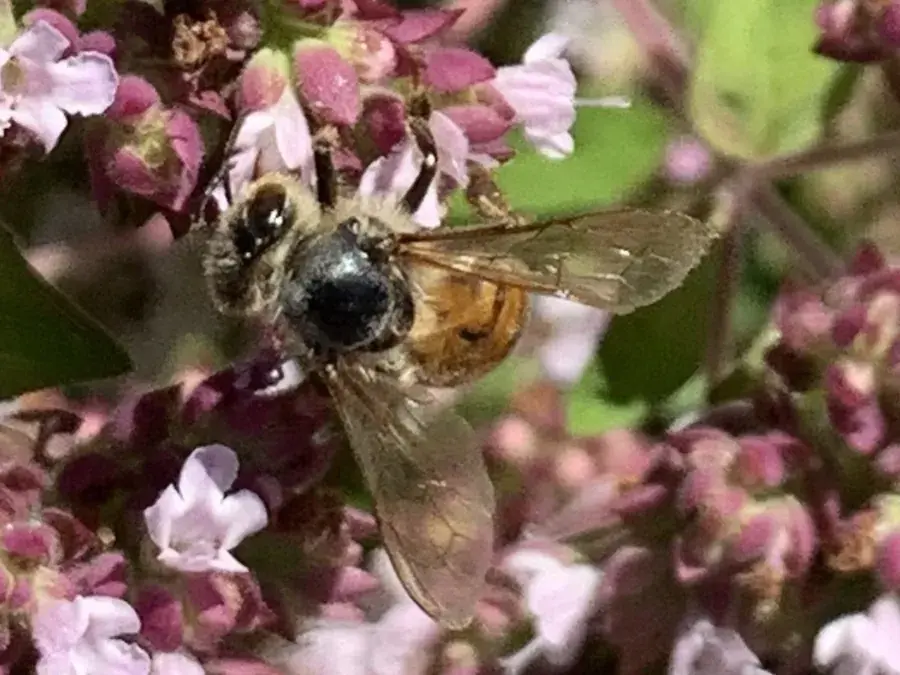 PollinatorSep–Apr
Honey bee
Apis mellifera
Golden-brown, banded, furry thorax, and pollen packed onto the hind legs in visible baskets.
What it does in the garden →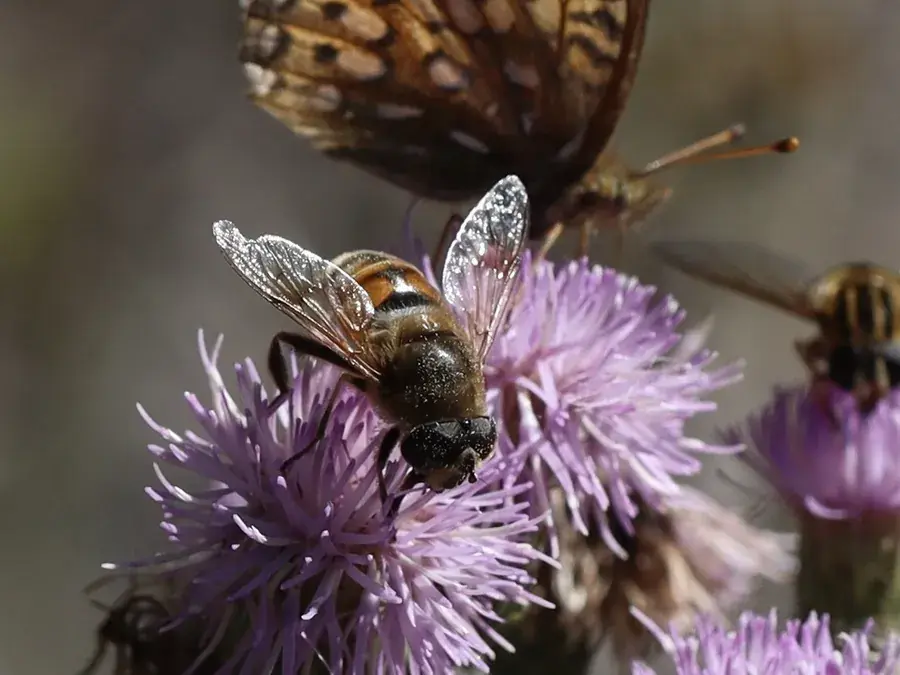 PollinatorOct–Mar
Hoverfly
Syrphidae
Wasp-striped but a true fly: two wings not four, huge eyes, and it hovers dead still in mid-air.
What it does in the garden →Photo: Anne Parker · CC BY 4.0
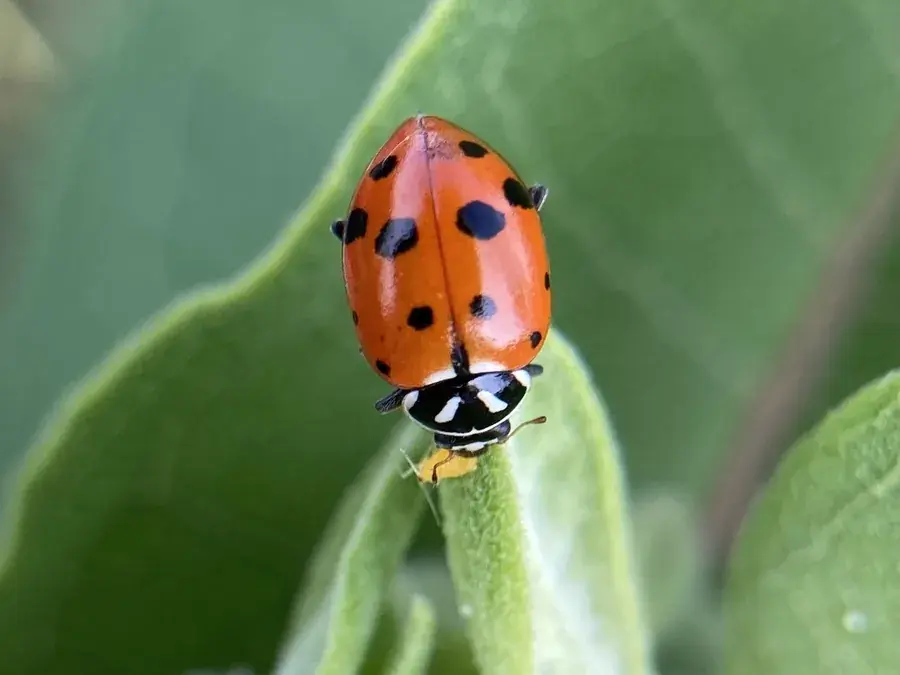 BeneficialOct–Apr
Lady beetle
Coccinellidae
The adult everyone knows; the larva is the useful one — a spiky, alligator-shaped grey-and-orange creature that looks like a pest.
What it does in the garden →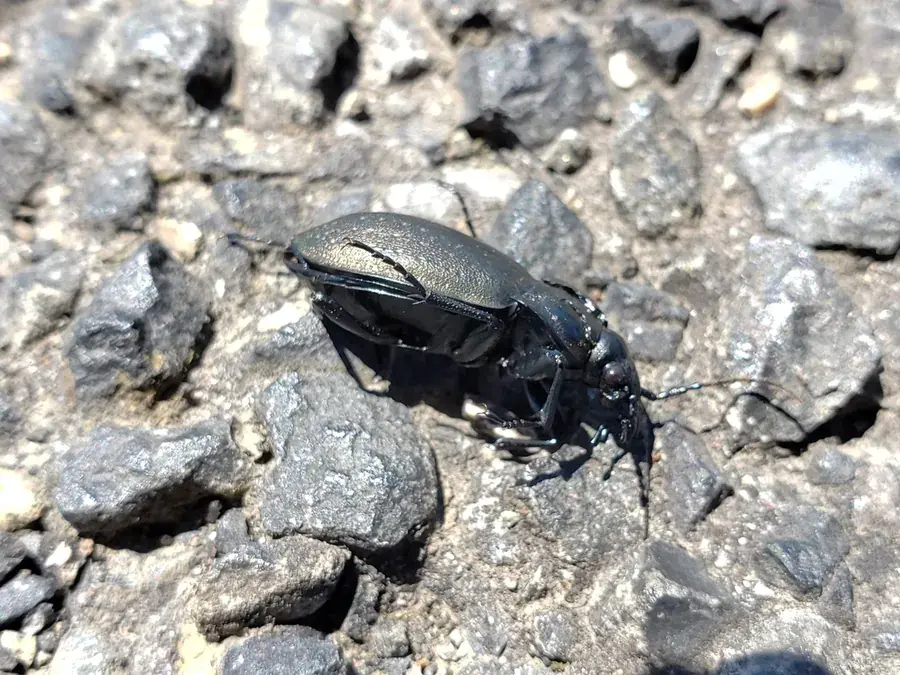 BeneficialOct–Apr
Ground beetle
Carabidae
Shiny black or bronze, fast-running, with grooved wing covers and long legs.
What it does in the garden →Photo: Gavin Slater · CC BY 4.0
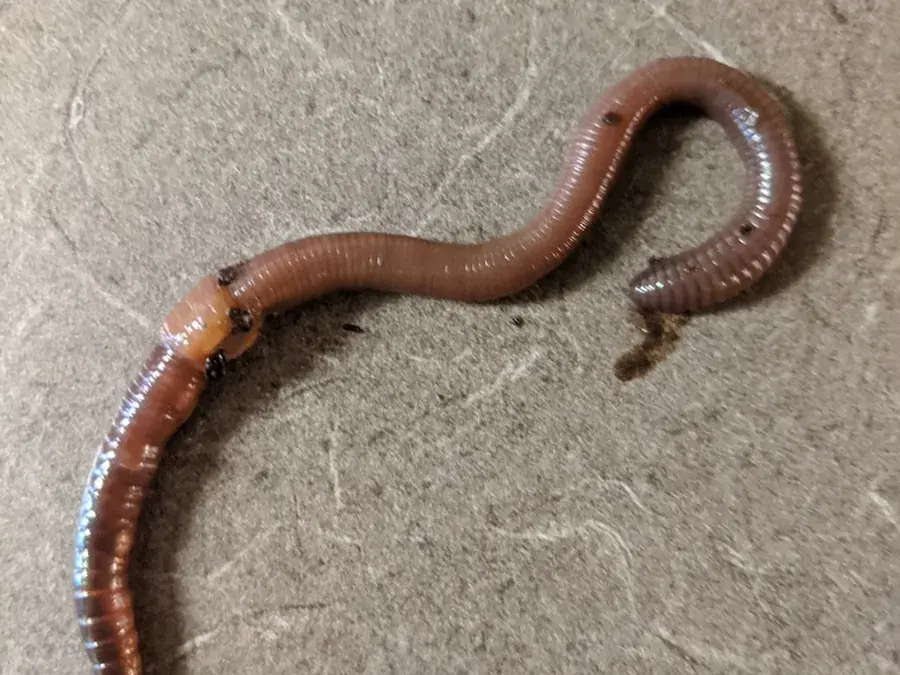 Soil lifeMar–May, Sep–Dec
Earthworm
Lumbricus terrestris
Familiar; look for the saddle-like clitellum a third of the way down a mature worm.
What it does in the garden →Photo: José Garrido · CC BY 4.0
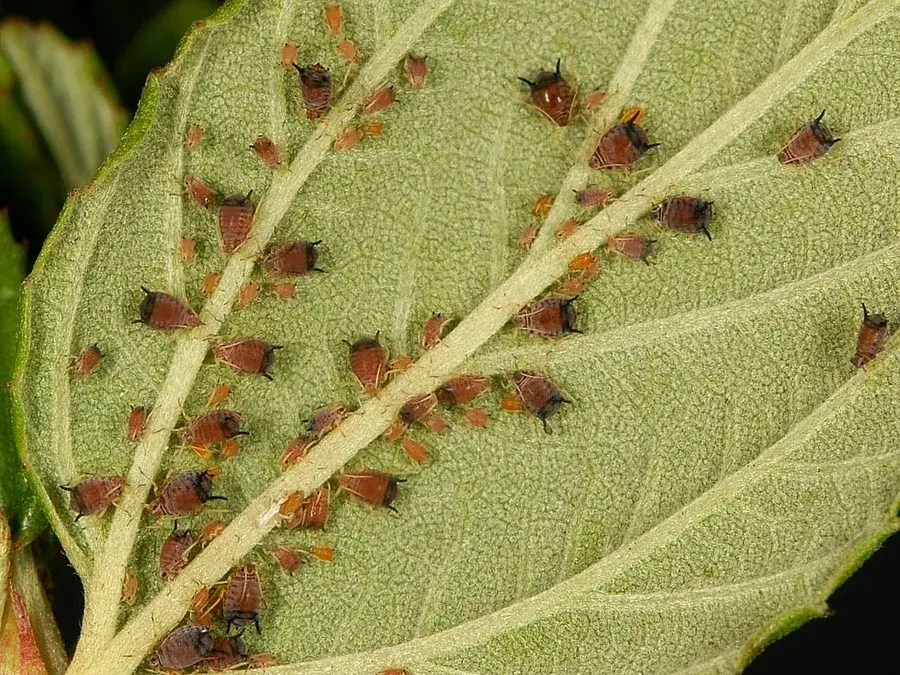 PestOct–Mar
Aphids
Aphidoidea
Tiny pear-shaped insects, green, black or pink, with two little tailpipes at the rear. Sticky honeydew and ants tending them are the giveaway.
What it does in the garden →Photo: Eddie Dunbar · CC BY-SA 4.0
Also out there this month
Photographs are research-grade observations from iNaturalist, each credited to its photographer. Ranges and timing are typical, not guaranteed — 87 species are covered across North America, Europe and Africa.
Behind this week's gardening
The day, the ground and the sky over Swakopmund
Peak photosynthesis and peak water loss. Beds dry fast and transplants sulk.
- Ground beetlebest now — Running the soil surface after dark, taking slugs, cutworms and larvae. One of the best predators a garden has.
- Earthwormbest now — At the surface after dark and in wet weather, pulling leaves down into the burrow.
Overhead · Swakopmund, Namibia
The sky over the garden
The two clocks nothing on the ground can argue with: the length of the day, and the phase of the moon.
The sun
12h 25m of light
Sunrise
06:37
Solar noon
12:50
Sunset
19:02
A month from now the day will be 0h 37m longer. Enough light for steady growth.
The moon
Waning Crescent
15% lit · waning · day 26 of 29.5
- Next full
- Oct 26 · 20d
- Hunter's Moon
- Next new
- Oct 10 · 4d
- Darkest nights
Planting by the moon: Last quarter to new: a resting phase — weed, prune, harvest, turn compost and prepare beds.
Anglers' solunar rating: good — the tradition says fish feed hardest in the days either side of new and full, and around moonrise and moonset. The evidence is mixed; light and weather matter more.
Turn of the season
Summer solstice
Dec 21 · 76 days away
Frost is rare here — most years see none, or a night or two at most.
Next moons
- New MoonOct 10
- First QuarterOct 18
- Full Moon · Hunter's MoonOct 26
- Last QuarterNov 1
Right now · Swakopmund, Namibia
Forces at work
Nothing here is a guess. Each of these is read from this week's forecast and this location's climate record, and each one is pushing the season one way or the other.
- Quiet right now
Frost
363 frost-free days
Frost is rare here. Coldest night in the next week: 9.9 °C.
The hard edge of the growing season. Ice inside a leaf ruptures its cells — one night ends a tomato and sweetens a parsnip.
- Working for you
Soil warmth
21.7 °C
Warm enough for beans, corn, squash, cucumber and transplanted tomato and pepper. Roots run hard at this temperature.
Seeds read soil temperature, not the calendar. Six centimetres down is where the decision gets made.
- Working for you
Day length
12h 25m
Gaining about 1 minutes of daylight a day. Every extra minute is growth you don't have to pay for.
The one thing weather can't change. Plants count photoperiod to decide when to bolt, bulb, flower and go dormant.
- Worth watching
Heat units
44 GDD / 7 days
Slow accumulation — cool-season crops are happy, corn and melons are waiting.
Growing degree days: the running total of warmth above 10 °C. Crops and insects both run on this clock rather than on dates.
- Holding things back
Rain
0.0 mm / 7 days
Only 0.0 mm over seven days. A garden wants roughly 25 mm a week — water deeply twice rather than lightly every day.
Sets the pace for everything: germination, fungal fruiting, slug nights, and how a river runs for the next three days.
- Working for you
Pollination
7 of 7 flying days
7 good flying days ahead. Open flowers will get worked — leave a shallow water dish out and hold off on any spray until dusk.
A third of what you eat needs an insect to have visited first. Bees fly on temperature and wind, not on your schedule.
Read and watch with your kids
All the books and videos for Swakopmund →Stories about where you live

The gardening note for Swakopmund, every week
One email, Sunday evening. Unsubscribe anytime.