Ballan wrasse
Labrus bergylta
- When
- Apr–Oct — April, May, June, July, August, September, October. Earlier where the water warms first.
- Habitat
- Rocky shores, kelp and reef from the low-tide line down to about 30 m — deep gullies, rock ledges and harbour walls on Atlantic coasts from Norway to Morocco. Records from the Mediterranean itself are doubtful.
- Identification
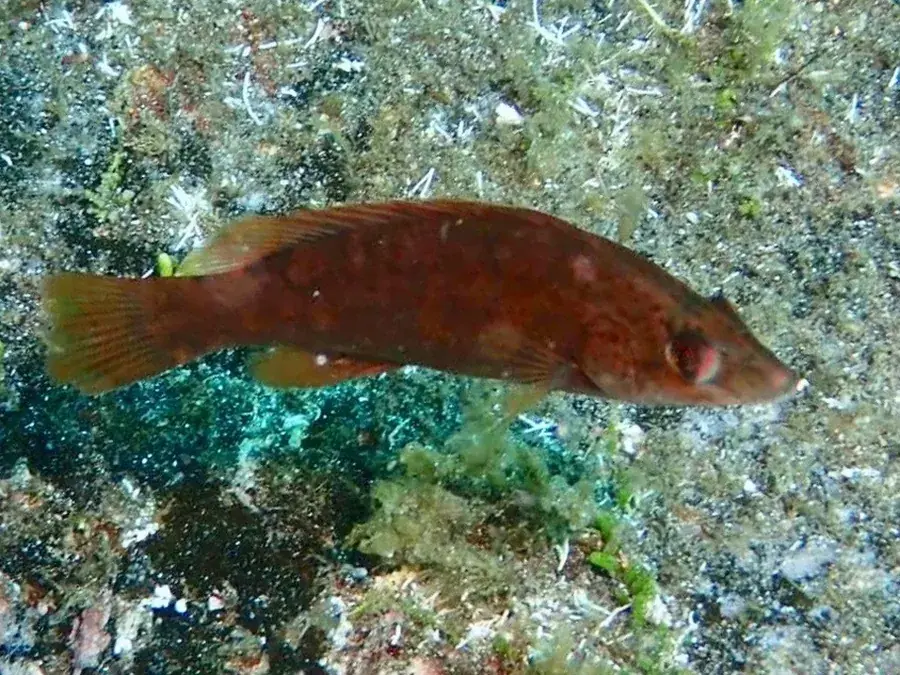
- A heavy, deep-bodied wrasse with a big head, thick, wrinkled lips, a long spiny dorsal fin and large scales. Colour varies from plain green or brown to red-brown covered in pale spots.
- Notes
- Every ballan wrasse starts life as a female; a few change into males after four to fourteen years. It lives up to 34 years and feeds only by day, crushing mussels and crabs. Now a favourite catch-and-release target on light lure tackle.
- Method
- Small soft-plastic worms and creature baits, or a crab bait, fished tight to the rock and weed in daylight.
- Caution
- Long-lived — up to 34 years — so put them back. Wild wrasse are also trapped live for use as cleaner fish on salmon farms, a fishery Scotland has regulated with mandatory measures since 2021.
Seasons, size limits and catch limits change every year and differ by water body. Check the current regulations for the country and the water before fishing.
Ballan wrasse facts
- Also called
- Ballan; the largest wrasse of north-west European coasts.
- Family
- Labridae, the wrasses.
- Native range
- The north-eastern Atlantic from Norway to Morocco, including Madeira, the Azores and the Canaries. Mediterranean records are doubtful and probably brown wrasse.
- Habitat
- Rocks, reefs, kelp and seaweed from 1 to about 50 m (3–165 ft), usually 2–30 m; young fish often in the intertidal zone.
- Water temperature
- Cool temperate. AquaMaps puts its preferred surface water at about 10–14°C (50–58°F); FishBase gives a tolerance of 5–25°C.
- Size
- Most adults 30–50 cm (12–20 in); the largest measured about 66 cm (26 in).
- Record
- IGFA all-tackle world record: 4.35 kg (9 lb 9 oz), Bertrand Kron, Clogher Head, Co. Kerry, Ireland, 20 August 1983.
- Lifespan
- Up to 34 years.
- What it eats
- Mussels and other shellfish pulled from rock faces, crabs and small lobsters, crushed by powerful teeth in the throat. It has no stomach.
- Spawning
- The male builds a nest of seaweed in a rock crevice; one or more females lay eggs in it, and he guards them for one to two weeks until the larvae hatch and drift away.
- Young fish
- Young fish match their habitat, from pale to bright emerald green.
- Teeth and mouth
- Small, with thick, wrinkled lips and a single row of strong teeth, sharp in young fish and worn blunt in old ones.
- Look-alikes
- Corkwing wrasse is much smaller and has a small dark spot on the tail stalk. In the Mediterranean, the brown wrasse (Labrus merula) is the similar large wrasse.
- Eating
- Eaten in Orkney and Galway, but not highly regarded in most of Britain and Ireland; most anglers release it.
- Status
- Least Concern on the IUCN Red List (2008). It is now heavily fished as a live cleaner fish for salmon farms — ballan make up about 72% of Scotland’s wild wrasse landings — and is also bred for the purpose.
Interactive
Ballan wrasse: size range
Move the slider from a typical adult to the largest recorded specimen, shown against objects of known size.
Most adults you'll catch: 30–50 cm (12–20 in).
This ballan wrasse: 40 cm. Longer than a loaf of bread, shorter than a four-year-old.
The record
IGFA all-tackle world record: 4.35 kg (9 lb 9 oz), Bertrand Kron, Clogher Head, Co. Kerry, Ireland, 20 August 1983.
Questions people ask about ballan wrasse
Do ballan wrasse change sex?
Yes. Every ballan wrasse starts life as a female, and a few change into males after four to fourteen years. The largest fish are almost certainly males.
What is the best time to catch ballan wrasse?
Summer into autumn, in daylight. Wrasse feed only by day and catches fall away as the light fades; autumn is often the best time for a specimen.
Why are wrasse used on salmon farms?
They eat sea lice off farmed salmon. Ballan wrasse are one of five wrasse species trapped wild for the purpose, and are now also farmed to reduce pressure on wild stocks.
Found in these regions
Checked against these sources ·
- FishBase — Labrus bergylta
- Wikipedia — Ballan wrasse
- Hard Rock Fishing — Wrasse fishing FAQ
- Scottish Government — Wild wrasse fishery: summary up to and including 2024
- IGFA — World Records search
Sizes, records and ranges are for the species as a whole; local populations and rules vary. Records change; the record-keeper named above holds the current one.
Local activity
This week's guide for a place
Enter a town, postal code or ZIP for this week's conditions there, based on the local climate, this week's weather and the ecological region.
Also active in October
 FishJun–Mar
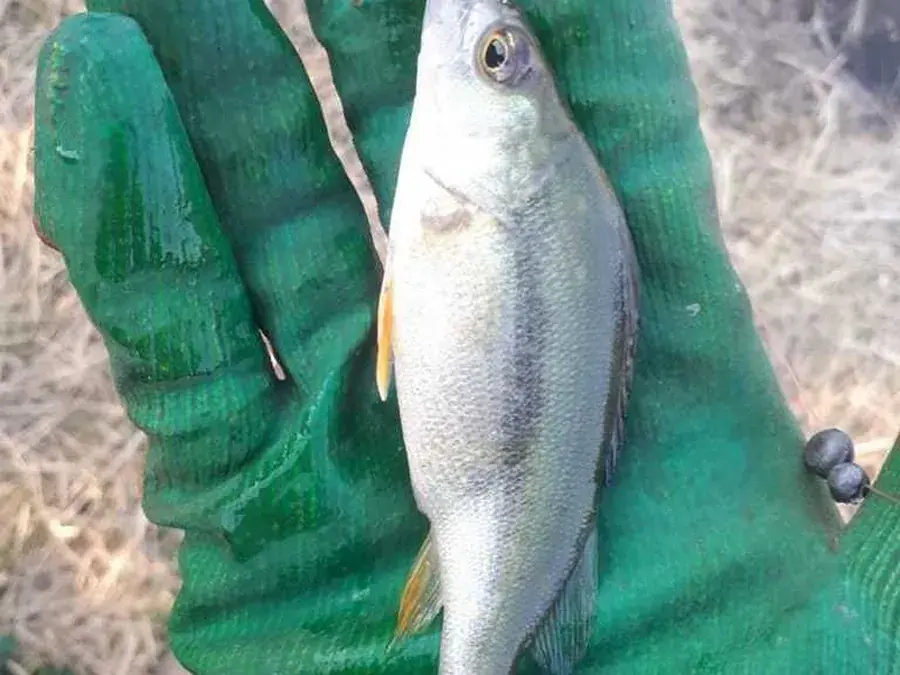
European perch
Perca fluviatilis
Five to eight dark bars on a greenish flank, bright red-orange lower fins, and a spiny first dorsal fin with a black blotch at the back.
Habitat and methods →Photo: Дауд Арсанукаев · CC BY 4.0
 FishJun–Mar
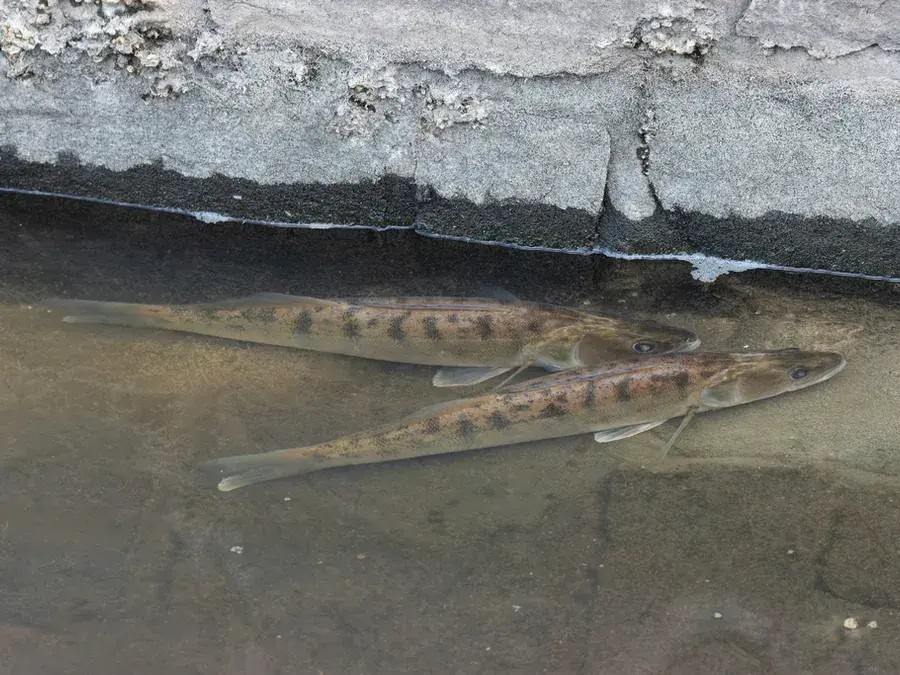
Zander
Sander lucioperca
Slim and glassy-eyed, with grey-brown saddles, rows of black spots on the spiny dorsal fin, and long fang-like canine teeth.
Habitat and methods →Photo: Tomas Broucek · CC BY 4.0
 FishApr–Oct
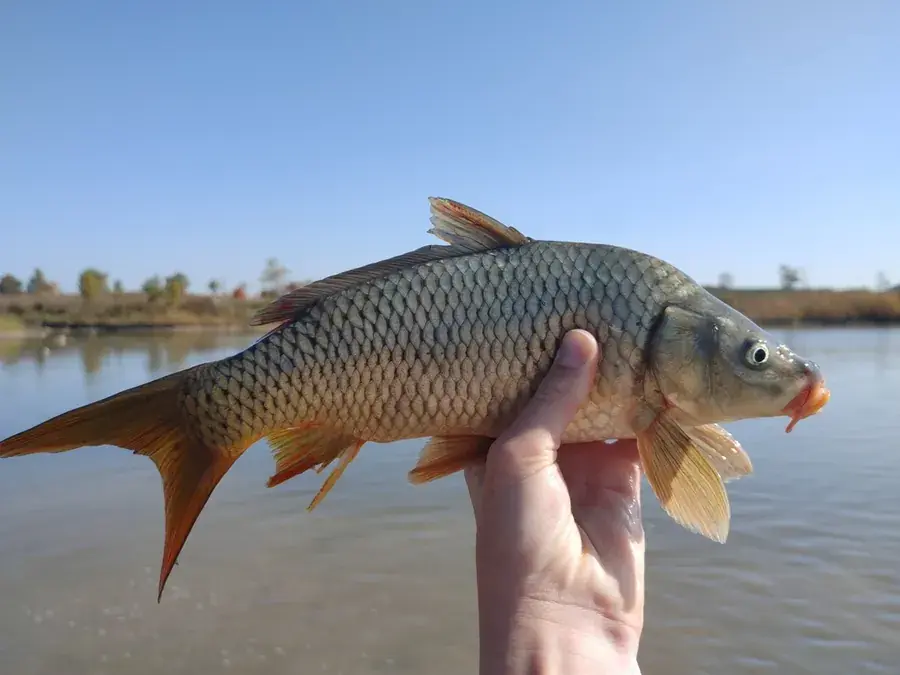
Common carp
Cyprinus carpio
Big bronze scales (or the scattered big scales of a mirror carp), a long dorsal fin, and two pairs of barbels at a rubbery, tube-like mouth.
Habitat and methods →