Photos: zebedeugalinha (CC BY 4.0) · etrusko25 (CC BY 4.0) · Public domain (iNaturalist) (CC0) on iNaturalist.
Mediterranean biogeographical region · Zones 8–11
Mediterranean Europe
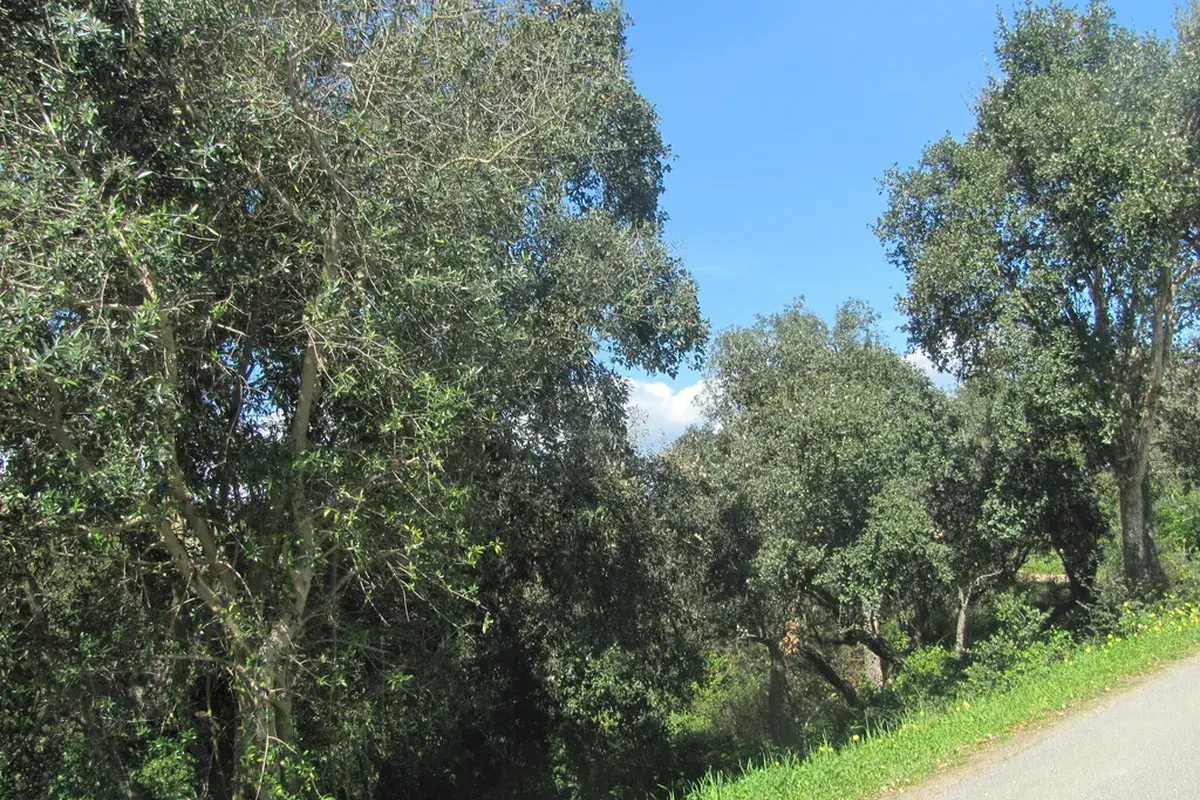
Hot dry summers and mild wet winters: olive, vine, citrus and holm oak from Portugal and Spain through southern France, Italy and Greece.
Olive groves and vineyards, cork and holm oak woods, scented scrub (maquis and garrigue), dry hills, and a warm, clear, almost tideless sea.
Get your local guide
Places in this region
Gardening
Two seasons, not one: tomatoes, peppers, aubergines and melons in summer, with water; greens, broad beans, peas and brassicas through the mild winter. Frost is rare near the coast.
About gardening guides →Fishing
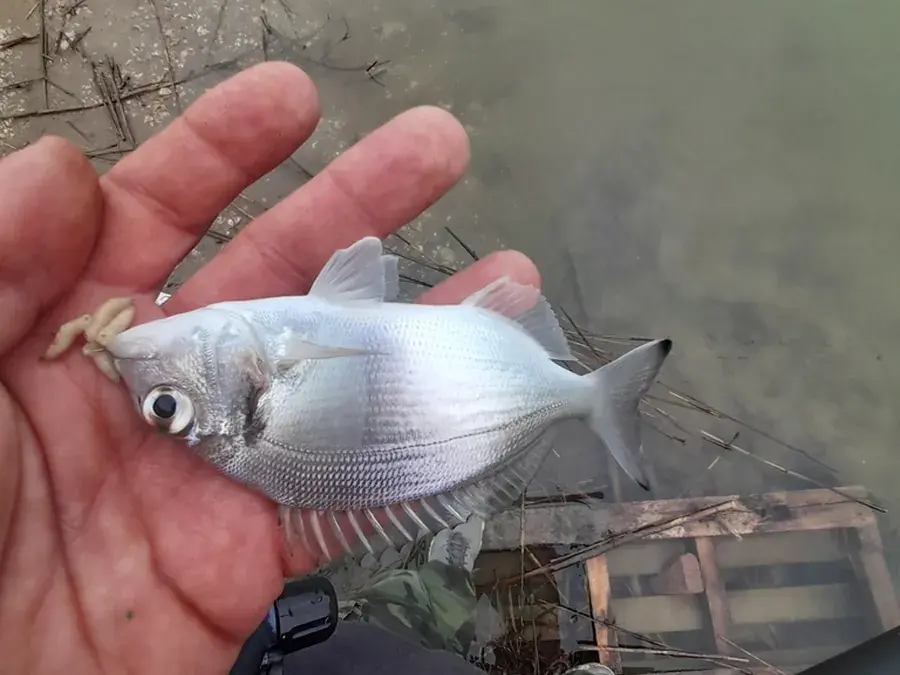
Sea bass, gilt-head bream and mullet from the shore, carp, barbel and black bass in reservoirs, brown trout in mountain streams, and tuna and dentex offshore.
About fishing guides →Foraging
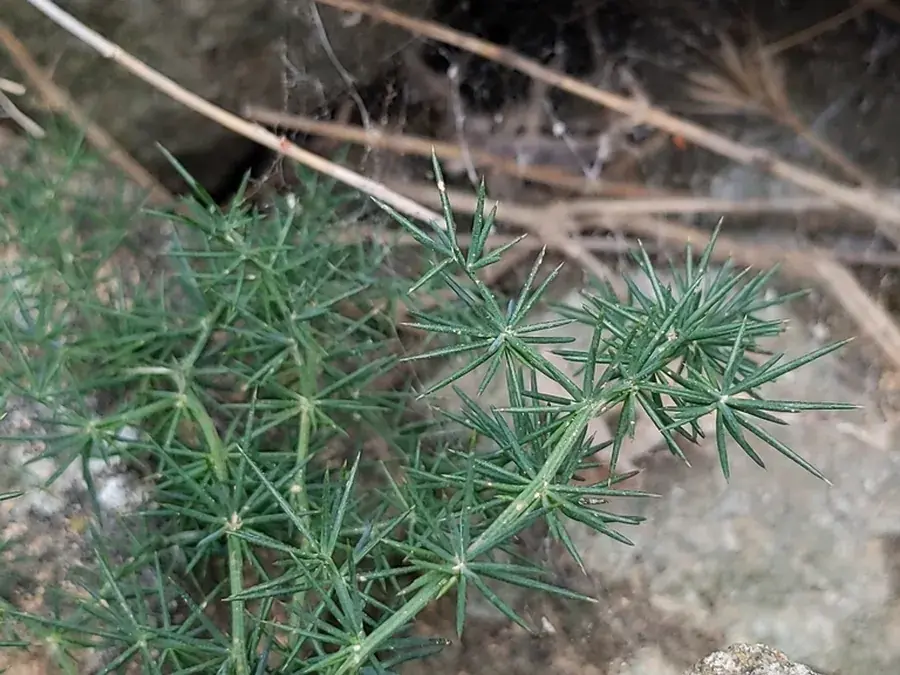
Wild asparagus, fennel, rocket and greens in winter and spring, figs, carobs, prickly pears, wild herbs (thyme, rosemary, oregano), chestnuts and saffron milk caps in autumn.
About foraging guides →In season now · October
What you can pick right now
25 wild edibles typically ready in October in Mediterranean Europe. Seasons shift a week or two with the weather — check each one before you go.
 FruitSeptember – October
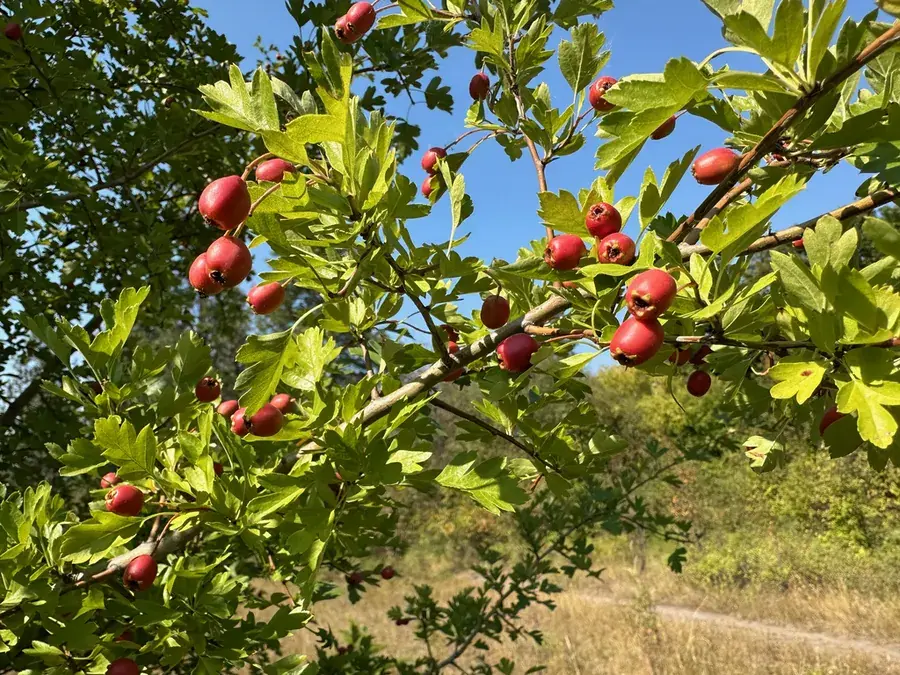
Hawthorn berries
Crataegus spp.
Thorny small tree with lobed leaves and clusters of small red haws, each holding one to five hard stones. Cut one open to see the stones.
How to know it & its look-alikes →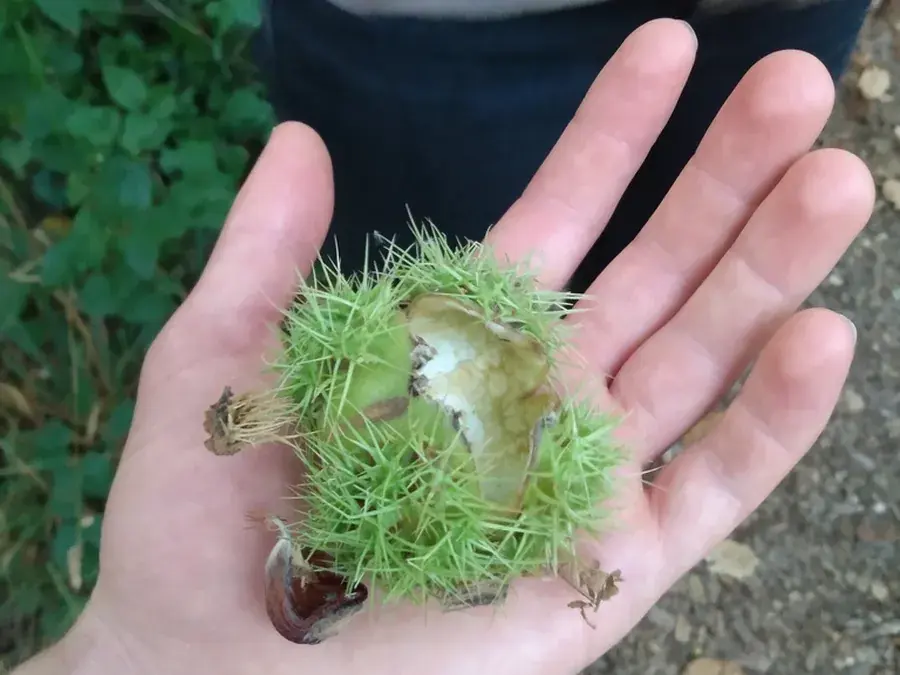 NutOctober – November
Sweet chestnut
Castanea sativa
A big tree with long, glossy leaves edged with sharp, regular teeth, and bark that twists in spiralling ridges on old trunks. The nuts come in twos and threes inside a husk covered in dense, needle-sharp spines; each is glossy brown, flat on one side, with a pointed tuft at the tip.
How to know it & its look-alikes →Photo: John Powers · CC BY 4.0
 NutSeptember – November
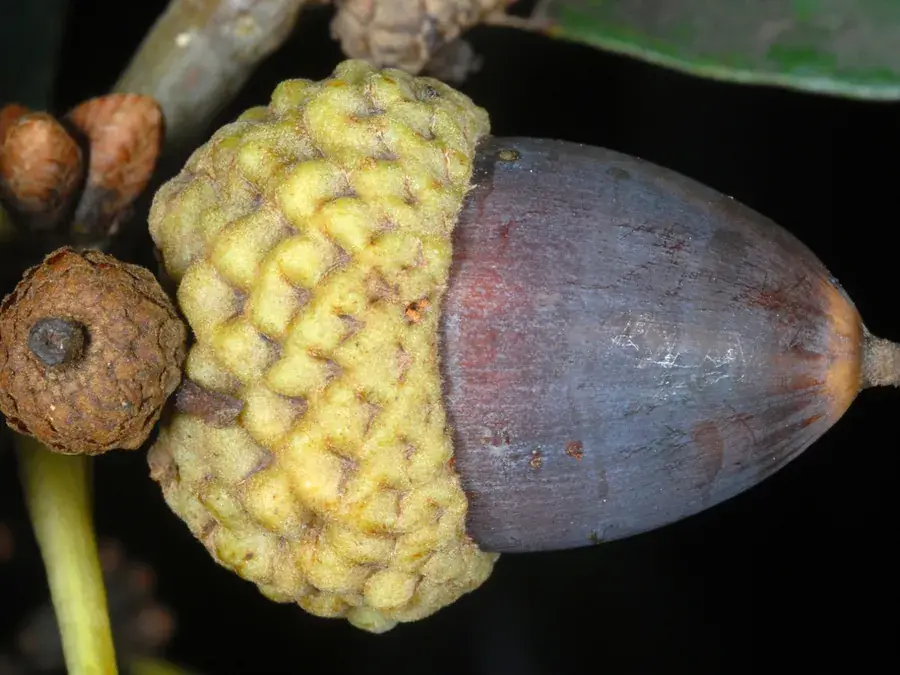
Acorns
Quercus spp.
Collect brown, freshly fallen nuts with no weevil holes; float them in water and discard the ones that swim.
How to know it & its look-alikes →Photo: Douglas Goldman · CC BY-SA 4.0
 Has a dangerous look-alikeTreeSeptember – November
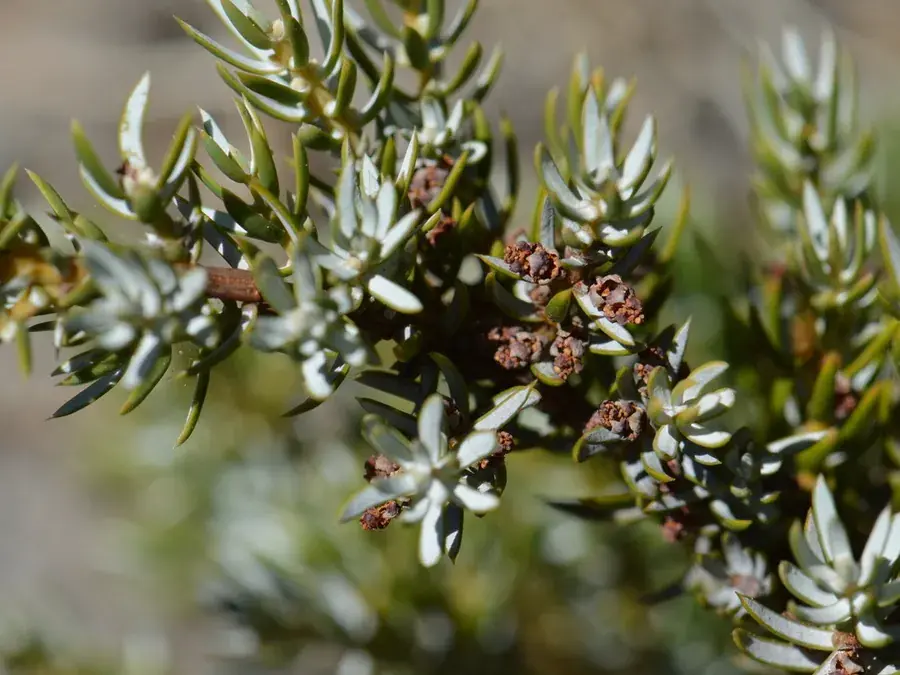
Juniper berries
Juniperus communis
Low spiky evergreen with needles in whorls of three, each with a white stripe on top; the 'berries' are fleshy blue cones that take two, sometimes three, years to ripen — so green and blue ones hang together.
How to know it & its look-alikes →Photo: David Anderson · CC BY 4.0
 FruitSeptember – November
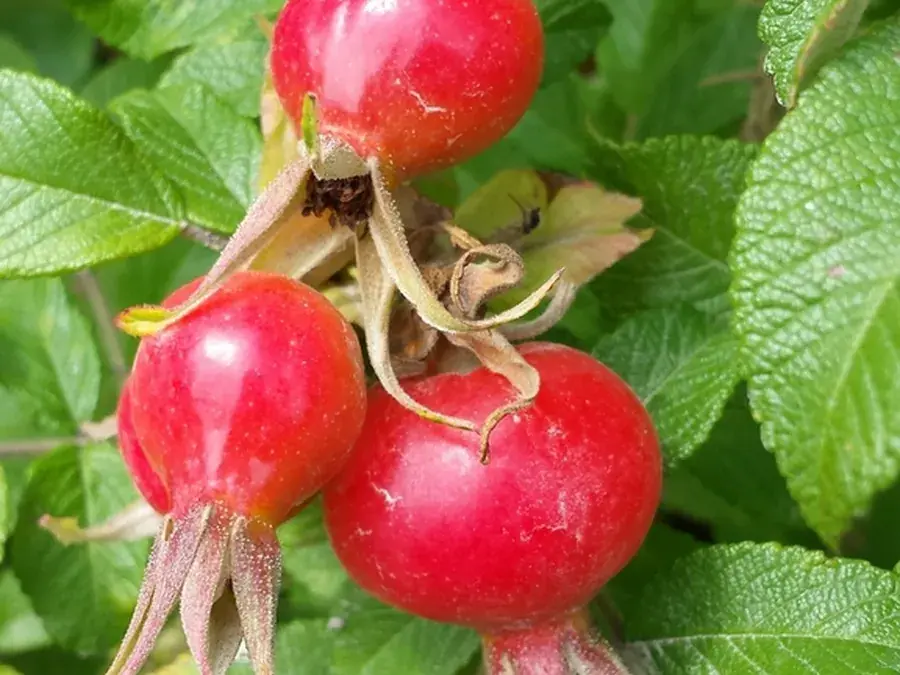
Rose hips
Rosa spp.
The red-orange fruit left after a wild rose blooms, topped with a dried five-pointed crown of sepals.
How to know it & its look-alikes →Photo: Tom Norton · CC BY 4.0
 FruitSeptember – November
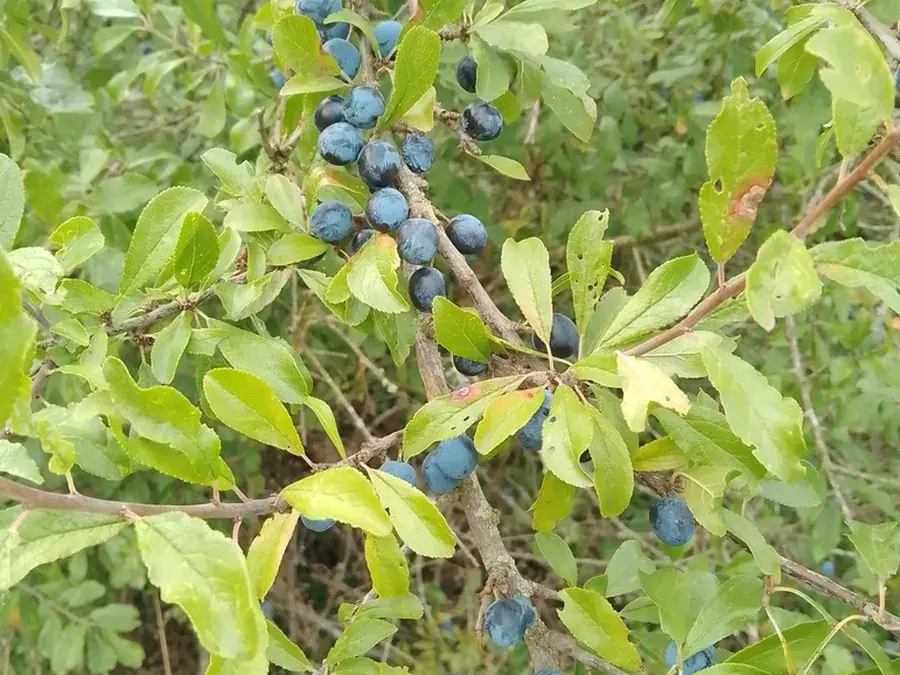
Sloes (blackthorn)
Prunus spinosa
A dense, very thorny shrub with dark bark and white blossom on bare black twigs in early spring, before the leaves. In autumn, round blue-black fruits about 1 cm (⅜ in) across with a waxy blue bloom, each holding one stone.
How to know it & its look-alikes →
19 more in season here — see the full foraging calendar →
Photographs are research-grade observations from iNaturalist, each credited to its photographer. They show a typical specimen, not every variation — never identify from a photo alone. Confirm with a regional field guide or an experienced forager before you eat anything wild.
In the water now · October
What's biting
The sport fish active in Mediterranean Europe in October — where they hold, how to know one on the line, and the tactic that usually works. Check your licence and the current limits before you go.
 FishJun–Mar
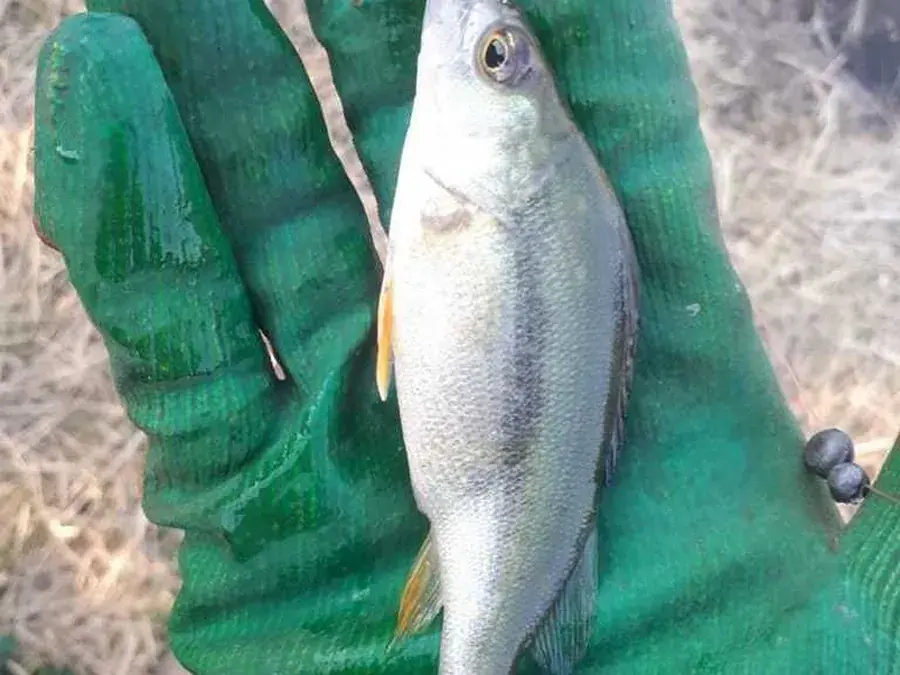
European perch
Perca fluviatilis
Five to eight dark bars on a greenish flank, bright red-orange lower fins, and a spiny first dorsal fin with a black blotch at the back.
Where and how to catch it →Photo: Дауд Арсанукаев · CC BY 4.0
 FishJun–Mar
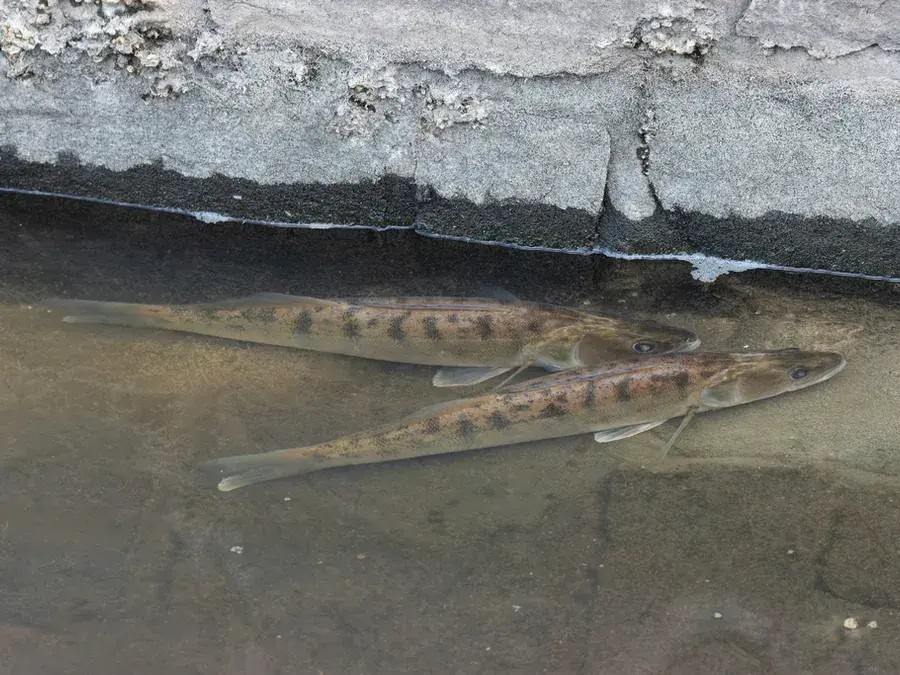
Zander
Sander lucioperca
Slim and glassy-eyed, with grey-brown saddles, rows of black spots on the spiny dorsal fin, and long fang-like canine teeth.
Where and how to catch it →Photo: Tomas Broucek · CC BY 4.0
 FishApr–Oct
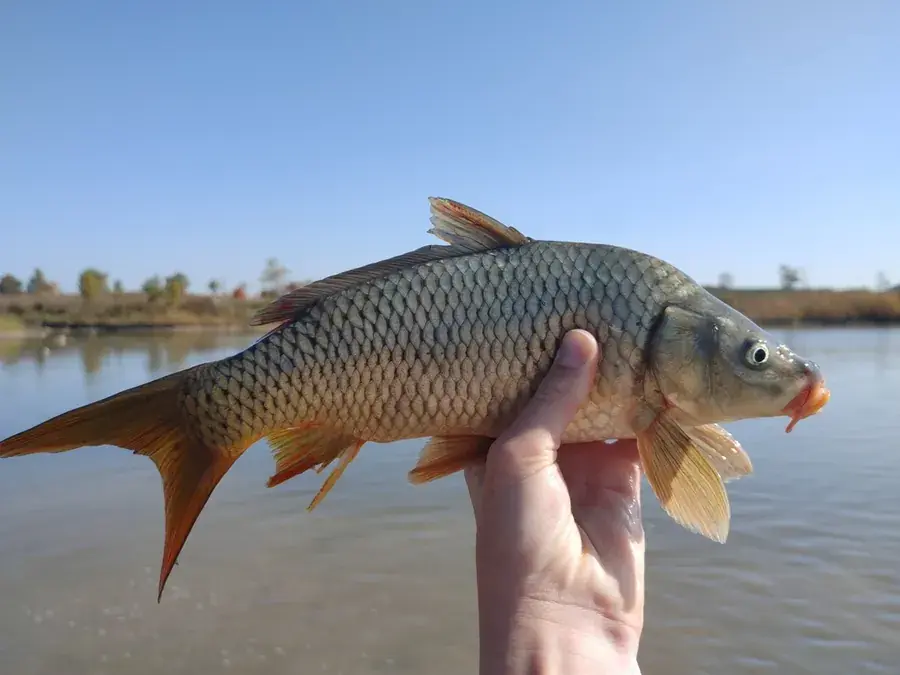
Common carp
Cyprinus carpio
Big bronze scales (or the scattered big scales of a mirror carp), a long dorsal fin, and two pairs of barbels at a rubbery, tube-like mouth.
Where and how to catch it →
Photographs are research-grade observations from iNaturalist, each credited to its photographer. Ranges and timing are typical, not guaranteed — 87 species are covered across North America, Europe and Africa.
In the garden now · October
Who else is working the garden
The insects and soil life out in Mediterranean Europe in October. Most of them are on your side — learn the few that aren't before you reach for anything.
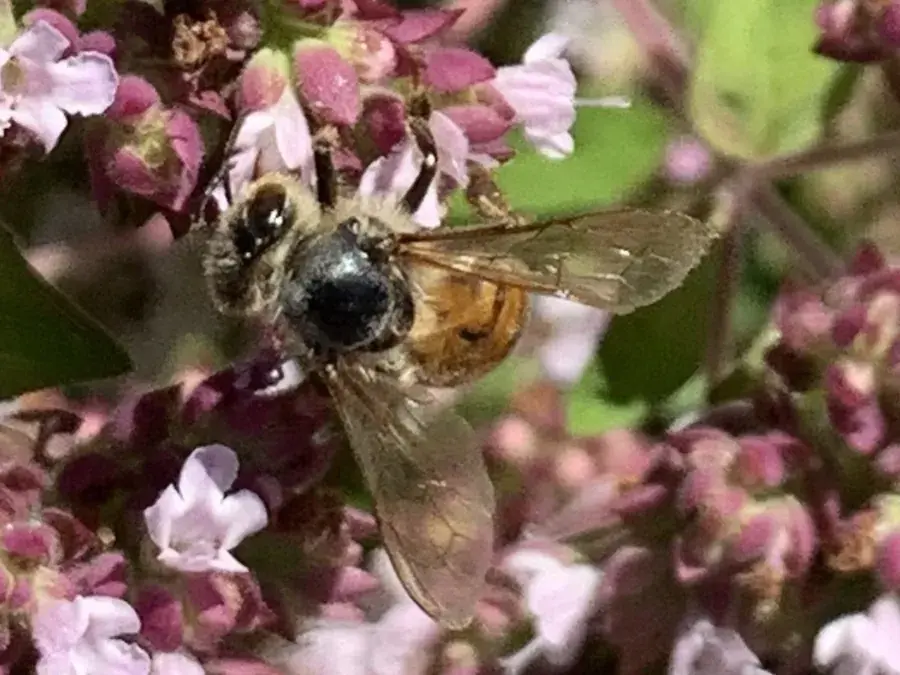 PollinatorMar–Oct
Honey bee
Apis mellifera
Golden-brown, banded, furry thorax, and pollen packed onto the hind legs in visible baskets.
What it does in the garden →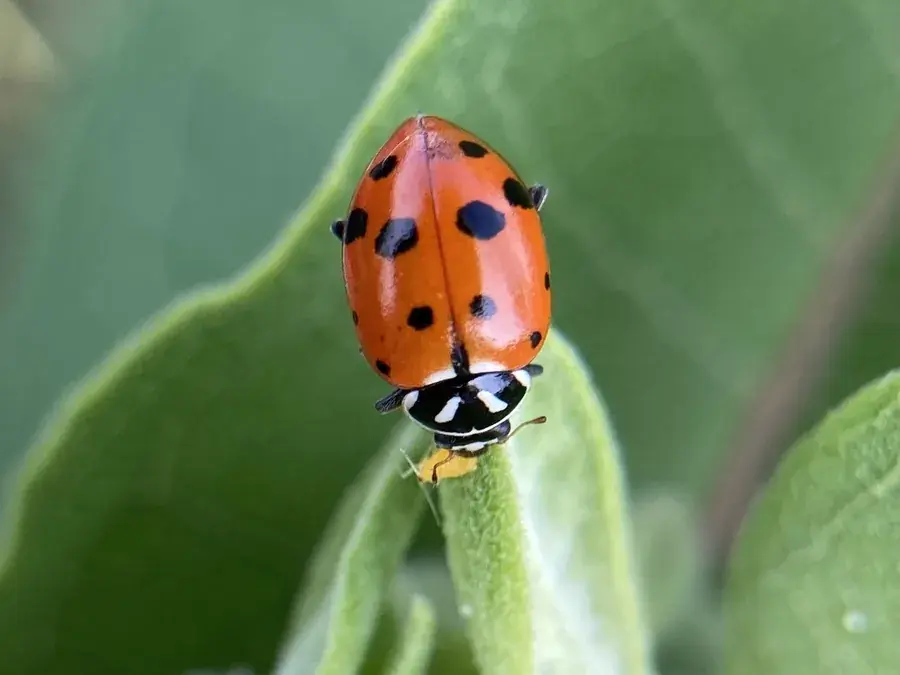 BeneficialApr–Oct
Lady beetle
Coccinellidae
The adult everyone knows; the larva is the useful one — a spiky, alligator-shaped grey-and-orange creature that looks like a pest.
What it does in the garden →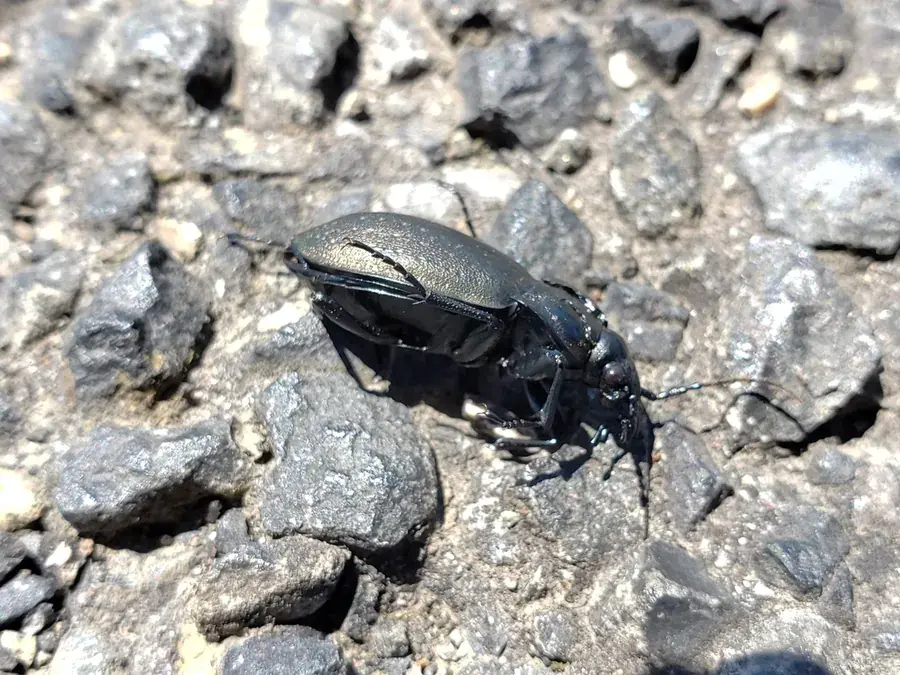 BeneficialApr–Oct
Ground beetle
Carabidae
Shiny black or bronze, fast-running, with grooved wing covers and long legs.
What it does in the garden →Photo: Gavin Slater · CC BY 4.0
Photographs are research-grade observations from iNaturalist, each credited to its photographer. Ranges and timing are typical, not guaranteed — 87 species are covered across North America, Europe and Africa.
The weekly note for Mediterranean Europe
Enter your email and we'll tune it to your area once you look up a location.
Try it
Why Mediterranean Europe looks the way it does
Warmth and rain decide what can live in a place. The dial starts on the kind of land closest to this region — turn it warmer, colder, wetter or drier and see what would grow instead.
Prairie grassland
Like Saskatchewan
Warm and dry: too dry for many trees, so grass grows as far as you can see — bison and meadowlarks live here.
Warmth and rain decide what can live in a place. They decide which plants can grow, and the plants decide which animals can live there.
Say it like this
- Age 2“Brrr, cold! Now make it hot. Now make it rain!”
- Age 4“Cold and dry makes tundra. Can you make a desert? Who lives there?”
- Age 6“Why can't a cactus grow in the rainforest, or a moose live in the desert? Warmth and rain decide what can live in a place.”
Go outside: Put a cup outside to catch the rain this week, and look at the thermometer each morning. Is your place warm or cool, wet or dry?
For Kids · The land and the sky