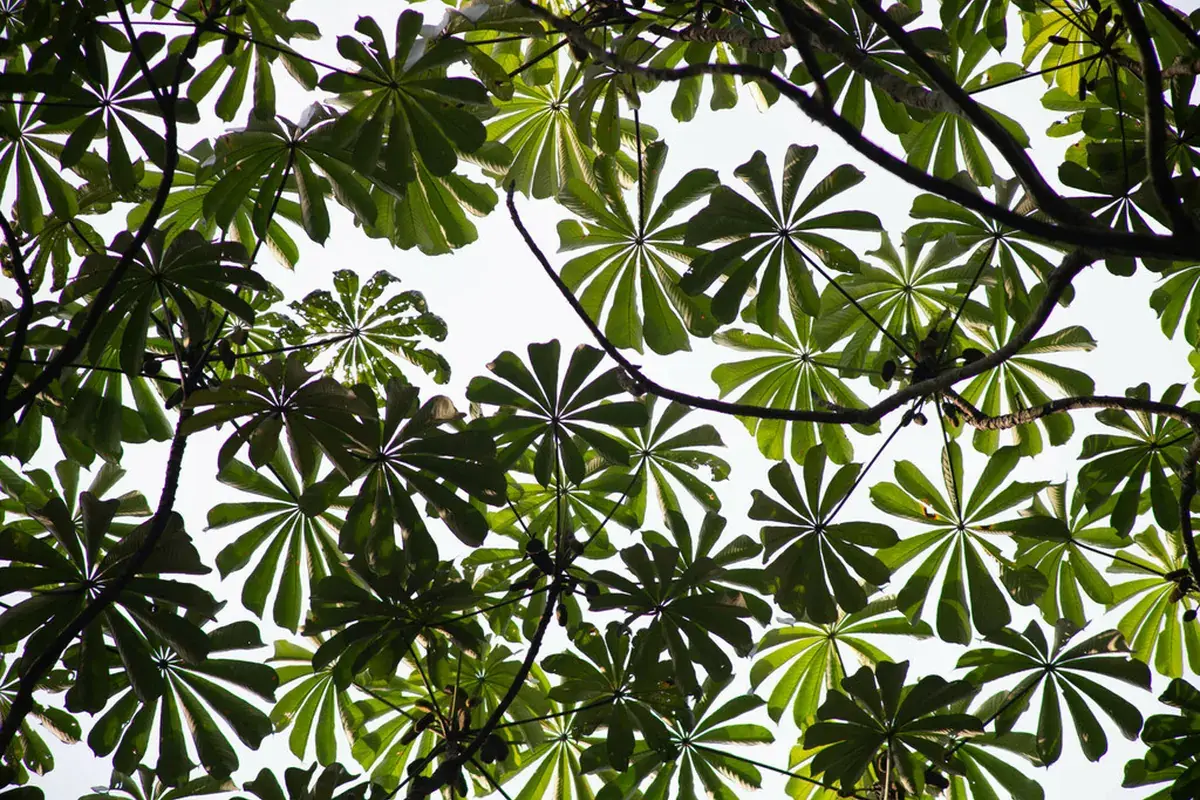
 Umbrella tree
Photos: B. Phalan (CC BY 4.0) · 116916927065934112165 (CC BY 4.0) · madhavan a.p (CC BY 4.0) on iNaturalist.
Tropical moist broadleaf forest · Zone 13
Congo Basin Rainforest
The second-largest rainforest on Earth, drained by the Congo River: warm, wet and green all year.
Unbroken lowland rainforest, swamp forest, huge rivers and rapids, and savanna at the edges.
Get your local guide
Places in this region
Gardening
No winter and little dry season: cassava, plantain, maize, groundnuts, amaranth and other leafy greens, and fruit trees around every village.
About gardening guides →Fishing
Goliath tigerfish, catfish, tilapia and hundreds of other species in the Congo and its tributaries.
About fishing guides →Foraging
Wild leafy greens (gnetum, or fumbwa), forest fruits, mushrooms in the rains and wild yams — local knowledge is essential.
About foraging guides →In season now · October
What you can pick right now
5 wild edibles typically ready in October in the Congo Basin Rainforest. Seasons shift a week or two with the weather — check each one before you go.
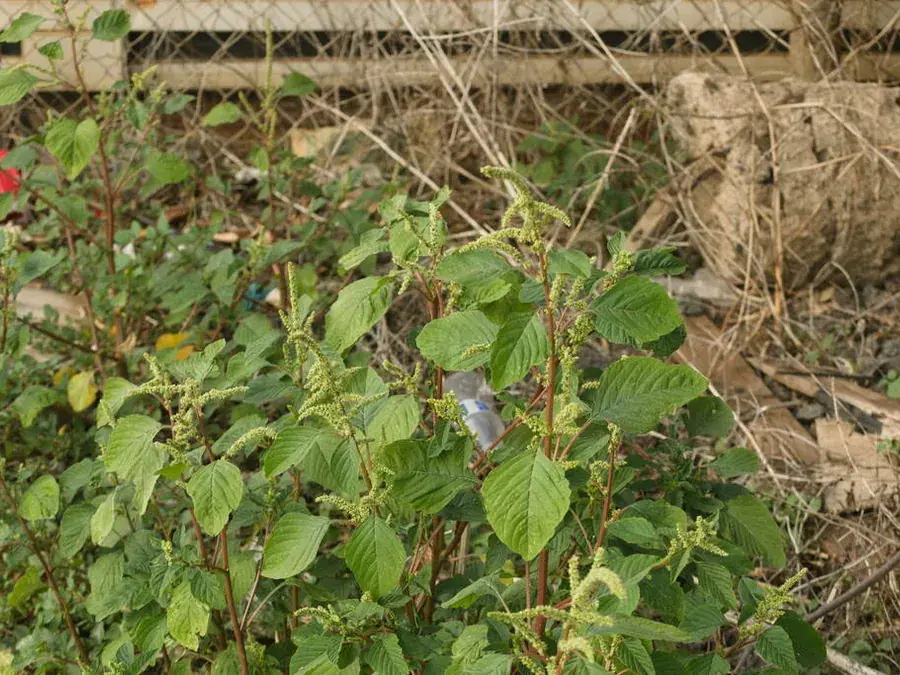 Has a dangerous look-alikeGreenMay – October
Amaranth greens (morogo, mchicha)
Amaranthus spp.
Upright or sprawling herbs, often with reddish stems, carrying alternate, oval to diamond-shaped, smooth-edged leaves on long stalks, and dense, bristly spikes of tiny green or reddish flowers at the top and in the leaf joints. No milky sap, no berries, no trumpet flowers. Spiny amaranth has a pair of sharp spines at each leaf base.
How to know it & its look-alikes →Photo: Kevin Faccenda · CC BY 4.0
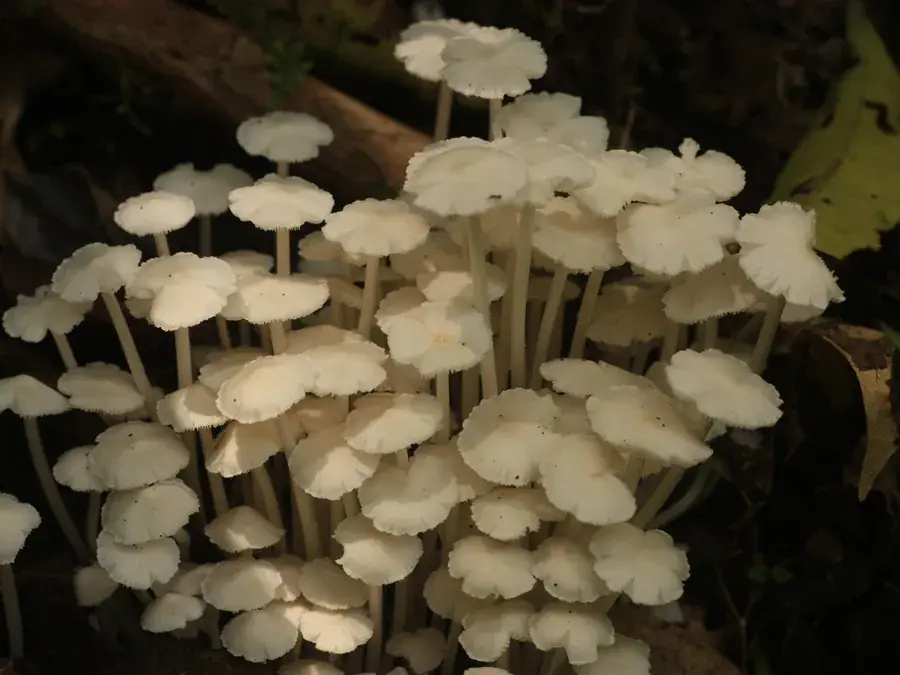 Has a dangerous look-alikeMushroomMay – October
Termite mushrooms (omajowa)
Termitomyces spp.
It grows out of a termite mound or the ground over a termite nest, never from wood. The cap usually has a pointed nipple at its centre, and the stem tapers into a long, tough root (pseudorhiza) that runs down — sometimes a metre or more — to the termites' fungus garden. Sizes run from a few centimetres (Termitomyces microcarpus, in crowds) to frying-pan caps of 15–40 cm (T. schimperi) and, in T. titanicus, up to a metre across.
How to know it & its look-alikes →Photo: madhavan a.p · CC BY 4.0
- Photo coming soonGreenJanuary – December
Eru (okazi, fumbwa)
Gnetum africanum
A slender climbing vine up to about 10 m long with thick, glossy, leathery, oval leaves about 8 cm (3 in) long, pointed at the tip. It is a gymnosperm, related to the conifers: no true flowers, but small cone-like spikes, and on female vines fleshy seeds 1–1.5 cm long that ripen red-orange.
How to know it & its look-alikes → 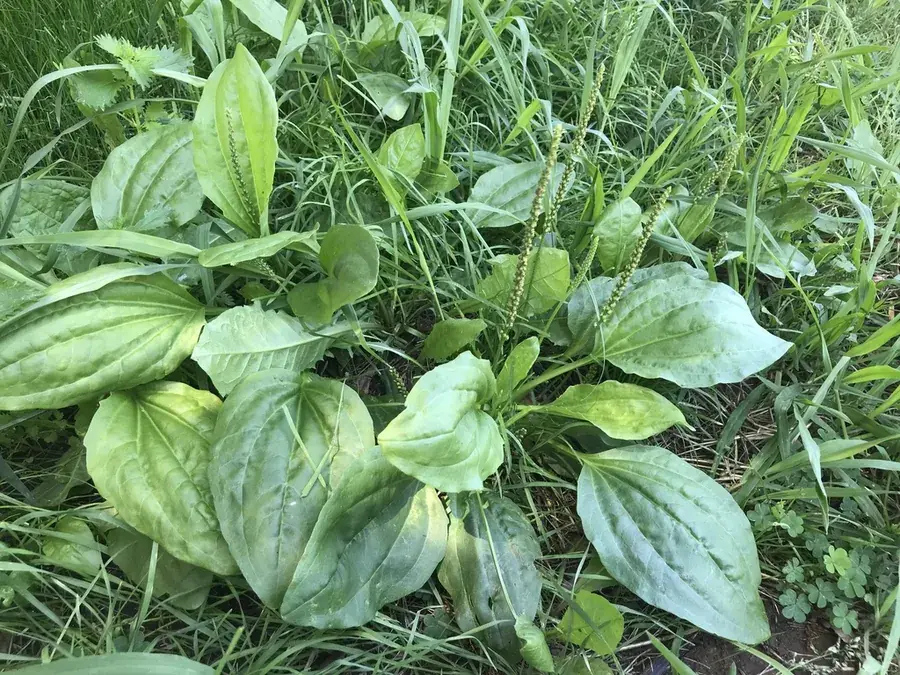 GreenApril – October
Broadleaf plantain
Plantago major
A flat rosette of broad oval leaves with five or more deep parallel veins running end to end, and a narrow greenish flower spike. Tear a leaf slowly and the veins pull out as tough strings.
How to know it & its look-alikes →Photo: lemonsnapp · CC BY 4.0
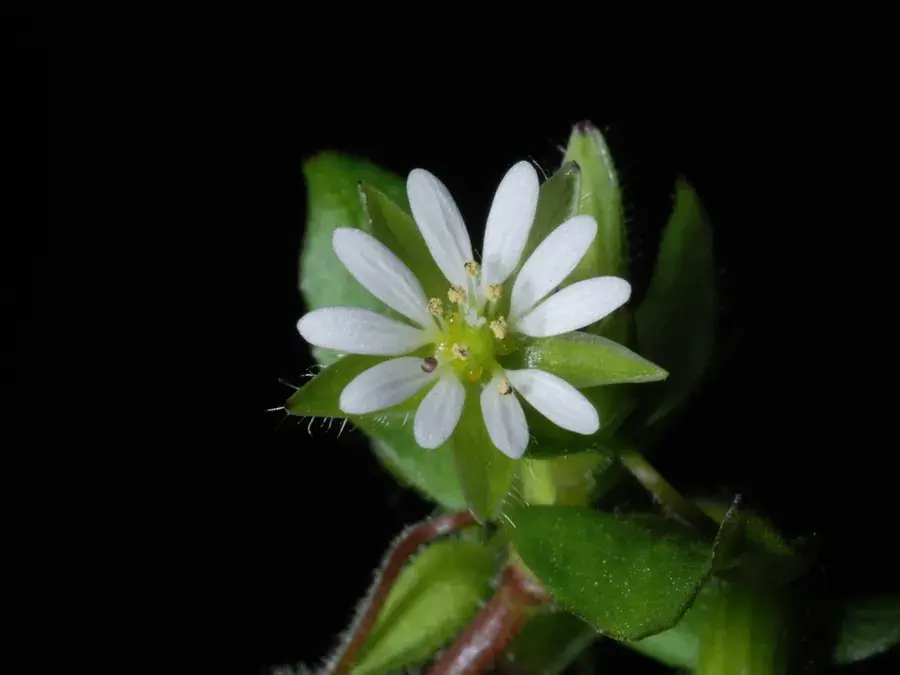 GreenOctober – May
Chickweed
Stellaria media
Sprawling mats with small opposite oval leaves and a single line of fine hairs running up one side of the stem, switching sides at each leaf pair. Stretch the stem: an elastic inner core.
How to know it & its look-alikes →Photo: Douglas Goldman · CC BY-SA 4.0
Photographs are research-grade observations from iNaturalist, each credited to its photographer. They show a typical specimen, not every variation — never identify from a photo alone. Confirm with a regional field guide or an experienced forager before you eat anything wild.
In the water now · October
What's biting
The sport fish active in the Congo Basin Rainforest in October — where they hold, how to know one on the line, and the tactic that usually works. Check your licence and the current limits before you go.
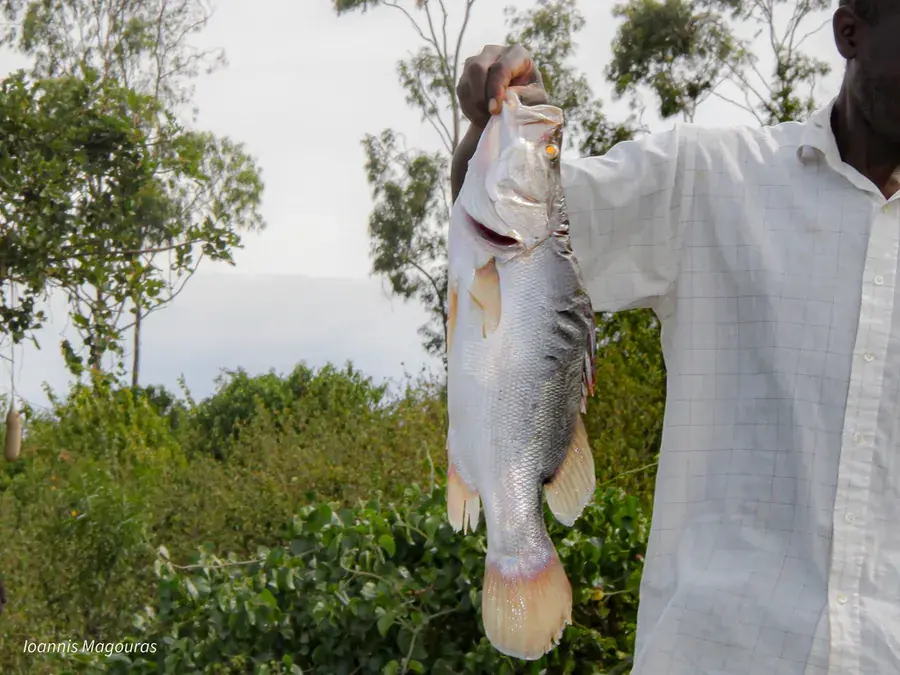 FishYear-round
Nile perch
Lates niloticus
A huge silver perch with a blue sheen, a dorsal fin cut deeply into spiny and soft halves, a rounded tail, and a dark eye ringed in bright yellow.
Where and how to catch it →Photo: Ioannis Magouras · CC BY 4.0
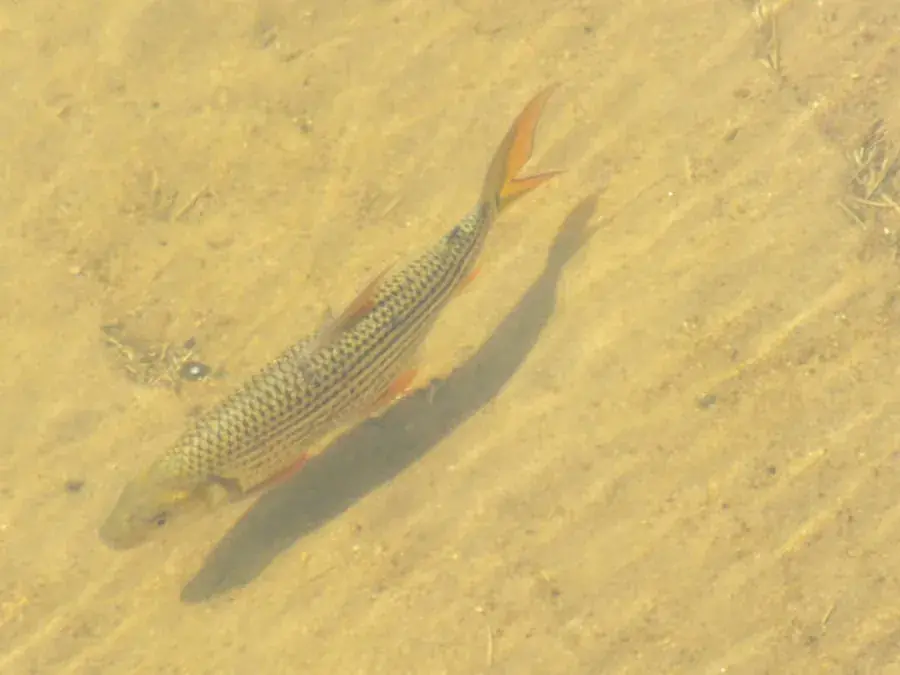 FishYear-round
Tigerfish
Hydrocynus vittatus
Silver with dark horizontal stripes along the upper sides, a red-orange tail edged in black, and big fang-like teeth that overlap the jaws even with the mouth shut.
Where and how to catch it →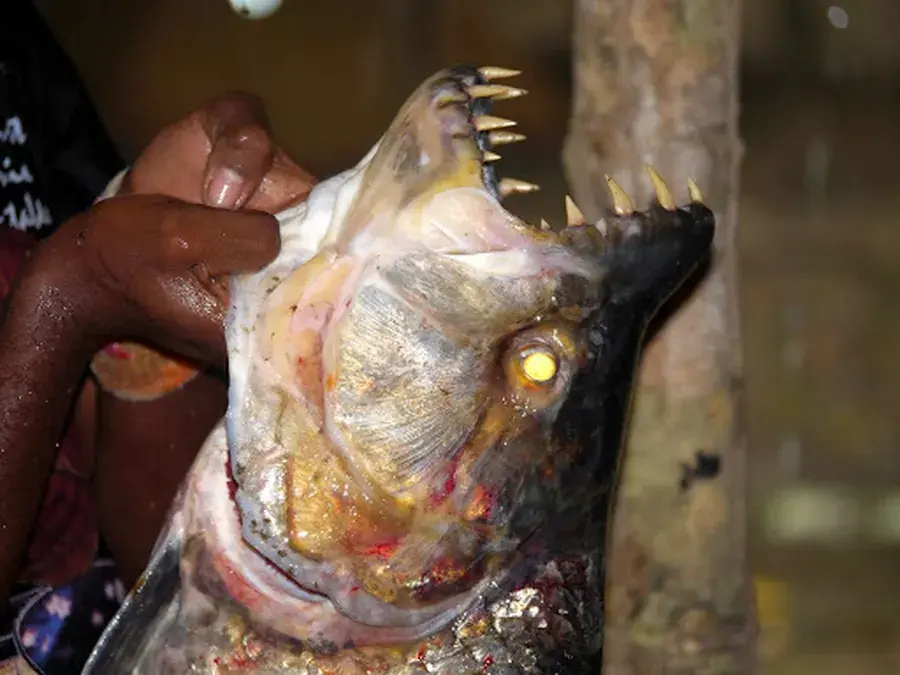 FishYear-round
Goliath tigerfish
Hydrocynus goliath
A heavy, silver-grey tigerfish with a thick, tuna-like body, a black adipose fin and enormous dagger-like teeth — the largest of all the tigerfish.
Where and how to catch it →Photo: 116916927065934112165 · CC BY 4.0
Photographs are research-grade observations from iNaturalist, each credited to its photographer. Ranges and timing are typical, not guaranteed — 87 species are covered across North America, Europe and Africa.
In the garden now · October
Who else is working the garden
The insects and soil life out in the Congo Basin Rainforest in October. Most of them are on your side — learn the few that aren't before you reach for anything.
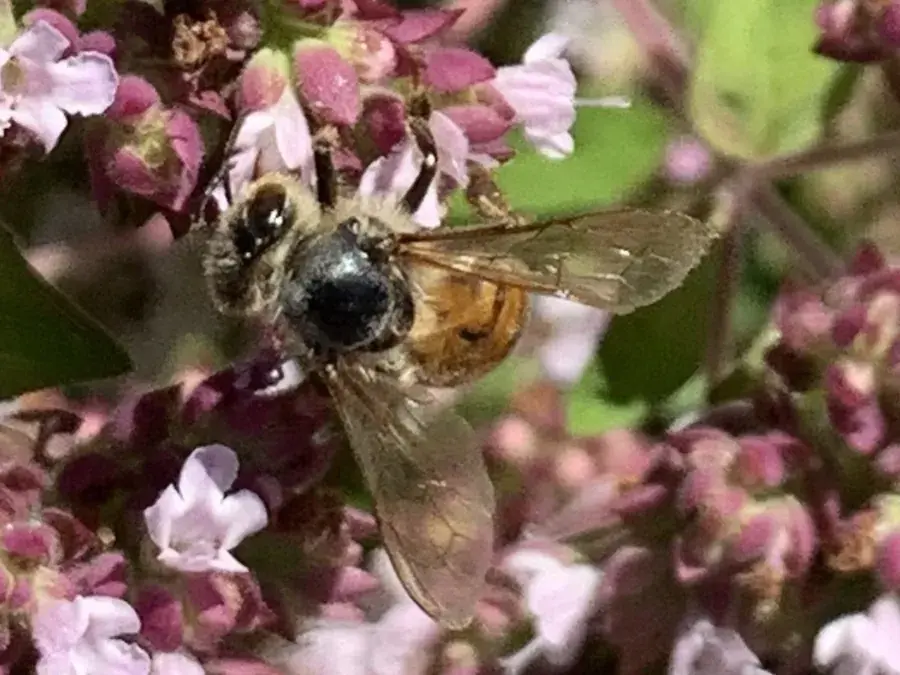 PollinatorMar–Oct
Honey bee
Apis mellifera
Golden-brown, banded, furry thorax, and pollen packed onto the hind legs in visible baskets.
What it does in the garden →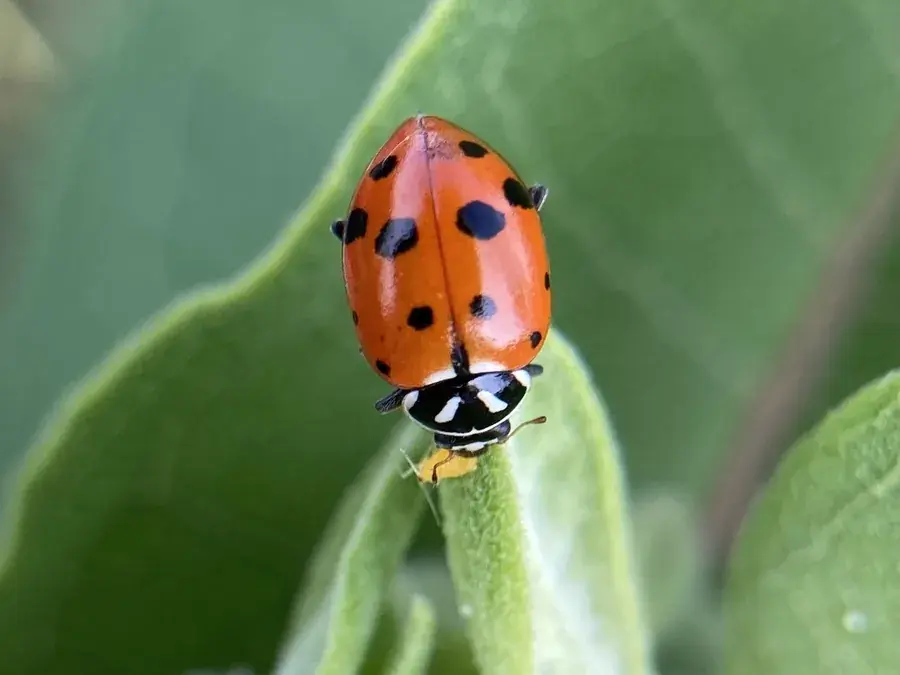 BeneficialApr–Oct
Lady beetle
Coccinellidae
The adult everyone knows; the larva is the useful one — a spiky, alligator-shaped grey-and-orange creature that looks like a pest.
What it does in the garden →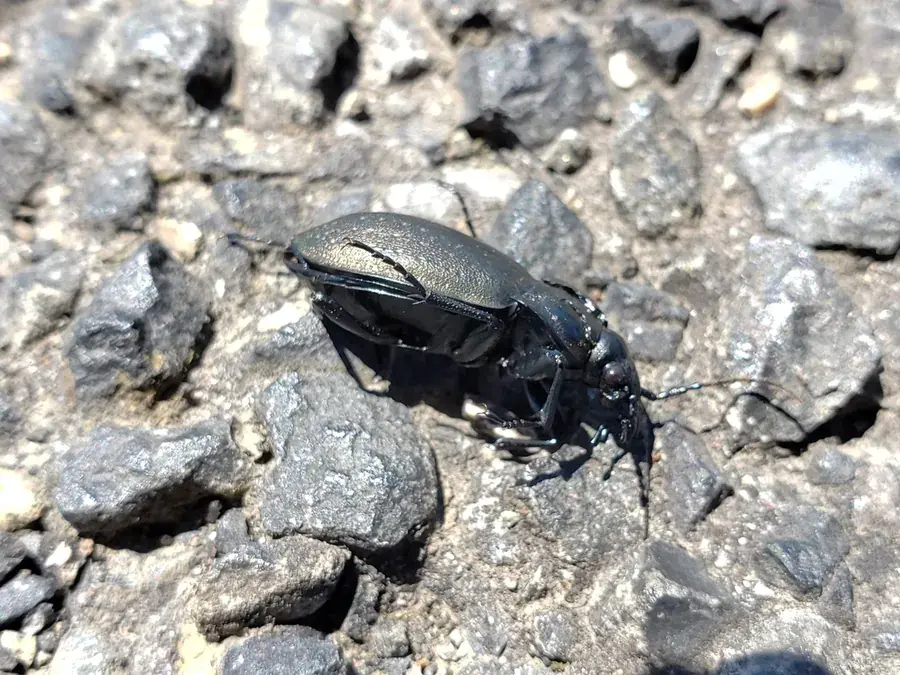 BeneficialApr–Oct
Ground beetle
Carabidae
Shiny black or bronze, fast-running, with grooved wing covers and long legs.
What it does in the garden →Photo: Gavin Slater · CC BY 4.0
Photographs are research-grade observations from iNaturalist, each credited to its photographer. Ranges and timing are typical, not guaranteed — 87 species are covered across North America, Europe and Africa.
The weekly note for the Congo Basin Rainforest
Enter your email and we'll tune it to your area once you look up a location.
Try it
Why Congo Basin Rainforest looks the way it does
Warmth and rain decide what can live in a place. The dial starts on the kind of land closest to this region — turn it warmer, colder, wetter or drier and see what would grow instead.
Temperate rainforest
Like coastal British Columbia
Mild and very wet: rain nearly all year — giant cedar trees, soft moss on everything, banana slugs and black bears.
Warmth and rain decide what can live in a place. They decide which plants can grow, and the plants decide which animals can live there.
Say it like this
- Age 2“Brrr, cold! Now make it hot. Now make it rain!”
- Age 4“Cold and dry makes tundra. Can you make a desert? Who lives there?”
- Age 6“Why can't a cactus grow in the rainforest, or a moose live in the desert? Warmth and rain decide what can live in a place.”
Go outside: Put a cup outside to catch the rain this week, and look at the thermometer each morning. Is your place warm or cool, wet or dry?
For Kids · The land and the sky