Gardening in Manchester
England · Atlantic Europe · hardiness zone 9a
New here? Start with the gardening introNow
15°C · Overcast
Today
19° / 15°
Soil 6 cm
15°C
First frost
~30 days (Nov 5)
Weather read at 11:02 p.m..
The garden year · Manchester
Harvest and put up
The main crop comes in faster than it can be eaten. Jars, freezer, cold room.
- Pick before frost
- Cure squash, onions, garlic
- Can, freeze, dry, ferment
- Save seed
JFMAMJJASOND
today❄ last frost❄ first frost
About 30 days until the average first frost — everything tender is on borrowed time.
First frost about 4 weeks away; then two weeks to get the roots up and the garlic in.
Frost watch · Manchester
No frost in the next seven days — the coldest night is 7 °C. The average first frost is about 30 days off; pick the tender things before it, not after.
Coming out of the garden now
What’s ready in Manchester in October
The tender crops first — they are finished by the first hard frost — then the keepers that can wait in the ground and sweeten.
Pick before frost
 TenderPeas and beansPicked Sep–Oct
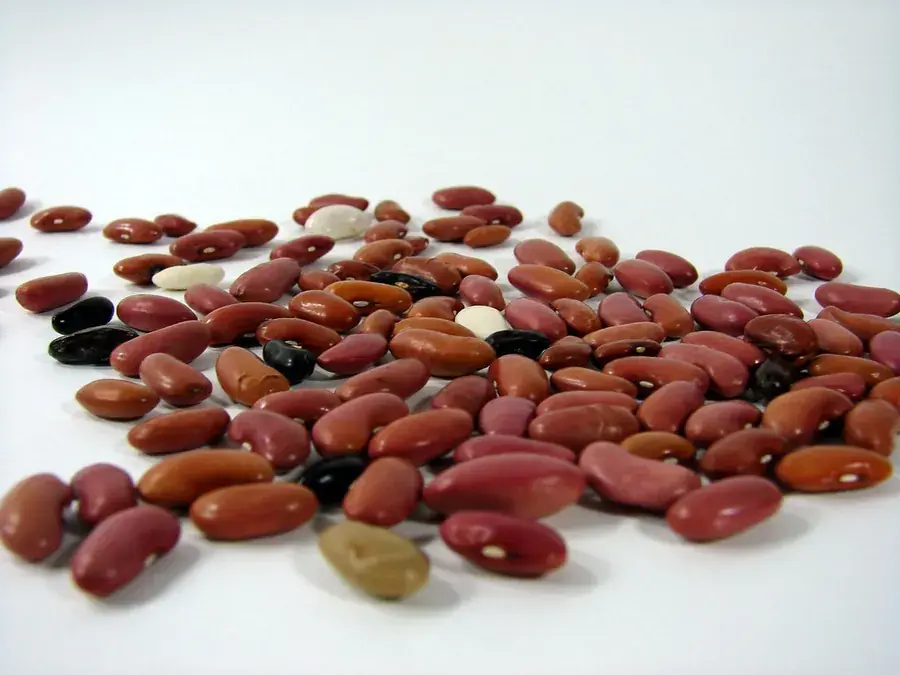
Dry beans
The crop that stores itself: leave the pods to rattle, shell them on the step, and eat them in February.
Drying · Pressure · FreezingPick, store, put up →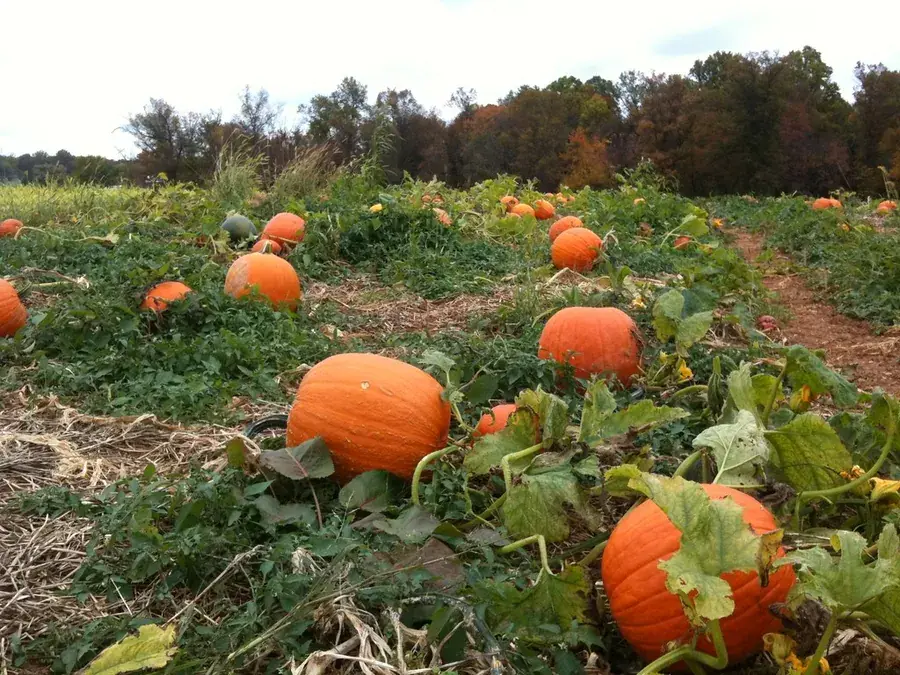 TenderSquash and pumpkinsPicked Sep–Oct
Pumpkins
One kind is for the porch and one is for the pie — and the seeds from both are for the oven.
Curing · Cold storage · FreezingPick, store, put up →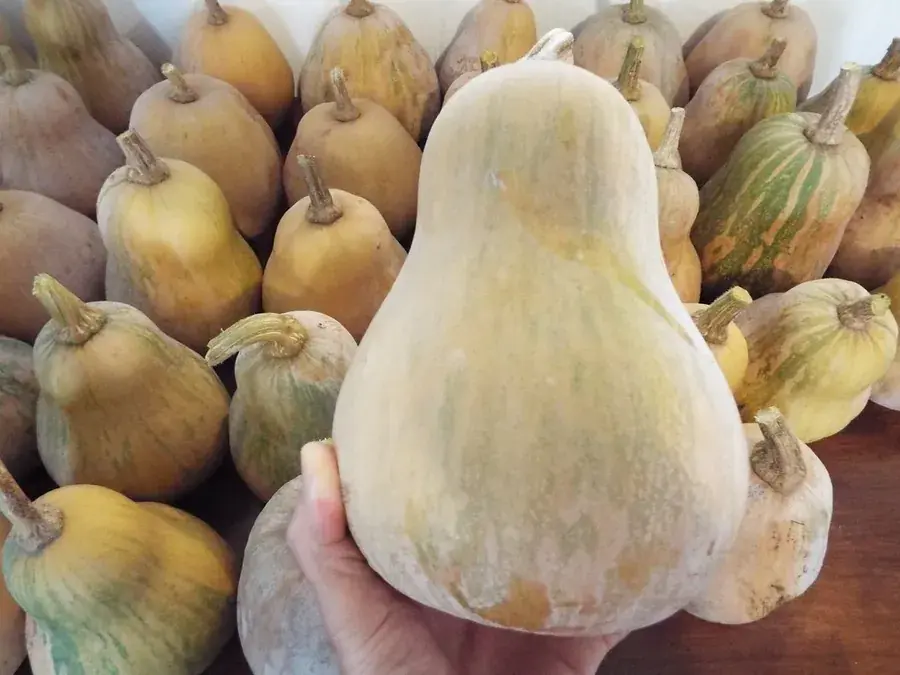 TenderSquash and pumpkinsPicked Sep–Oct
Winter squash
Cured for ten days and kept on a cool shelf, the September harvest feeds you until March.
Curing · Cold storage · FreezingPick, store, put up →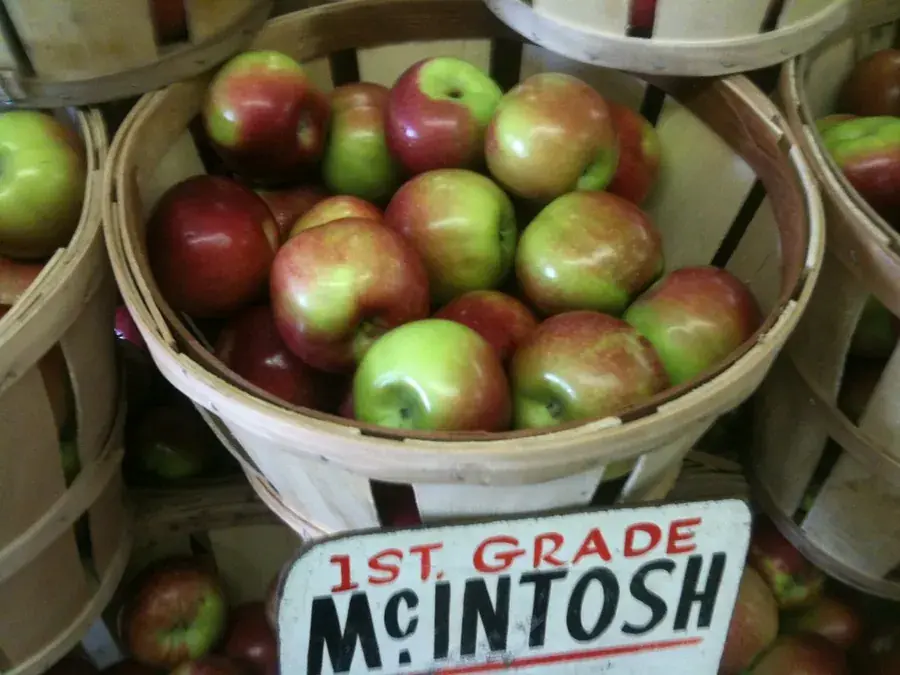 Half-hardyTree fruitPicked Aug–Oct
Apples
The one harvest that can feed a family until March — if you know which apples keep and which don’t.
Cold storage · Water-bath · FreezingPick, store, put up →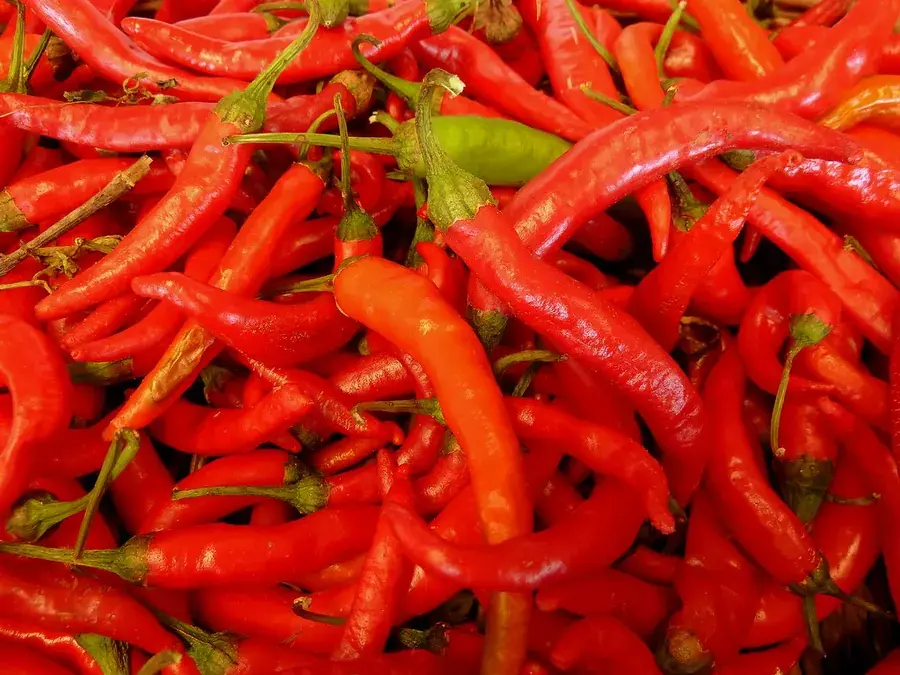 TenderFruiting vegetablesPicked Aug–Oct
Hot peppers
A handful of plants gives a year of heat — dried on a string, pickled in rings, or fermented into sauce.
Drying · Pickling · FermentingPick, store, put up →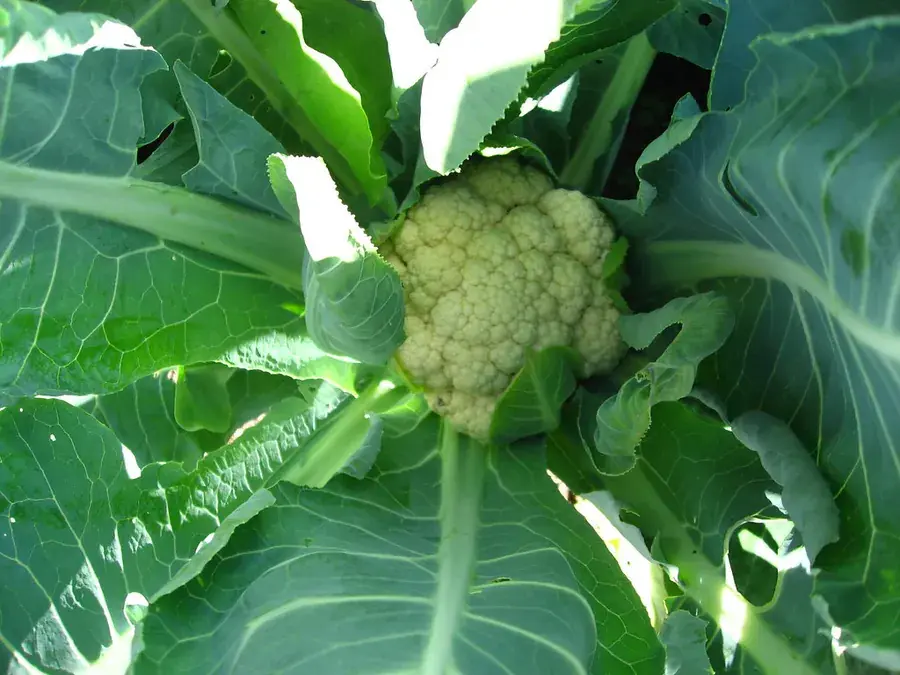 Half-hardyCabbages and kinPicked Jul–Oct
Cauliflower
The fussiest brassica: tie the leaves over the head, cut it while it is tight, and freeze what you cannot eat.
Freezing · PicklingPick, store, put up →
The keepers — frost makes them better
 HardyRootsPicked Sep–Nov
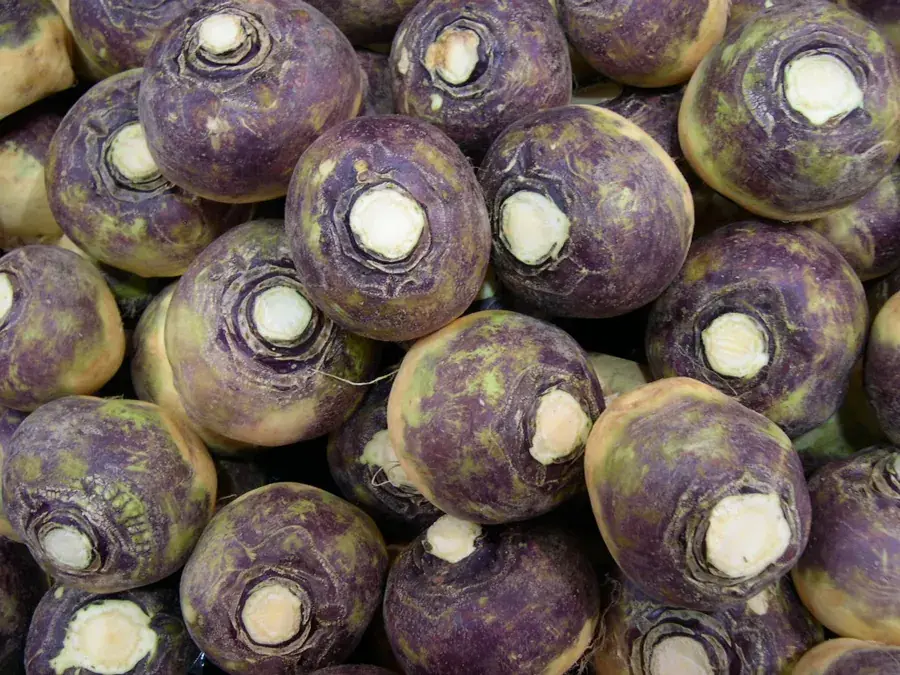
Rutabagas
The winter root of the north — a sack of them in the cold room is December sorted.
Cold storage · FreezingPick, store, put up →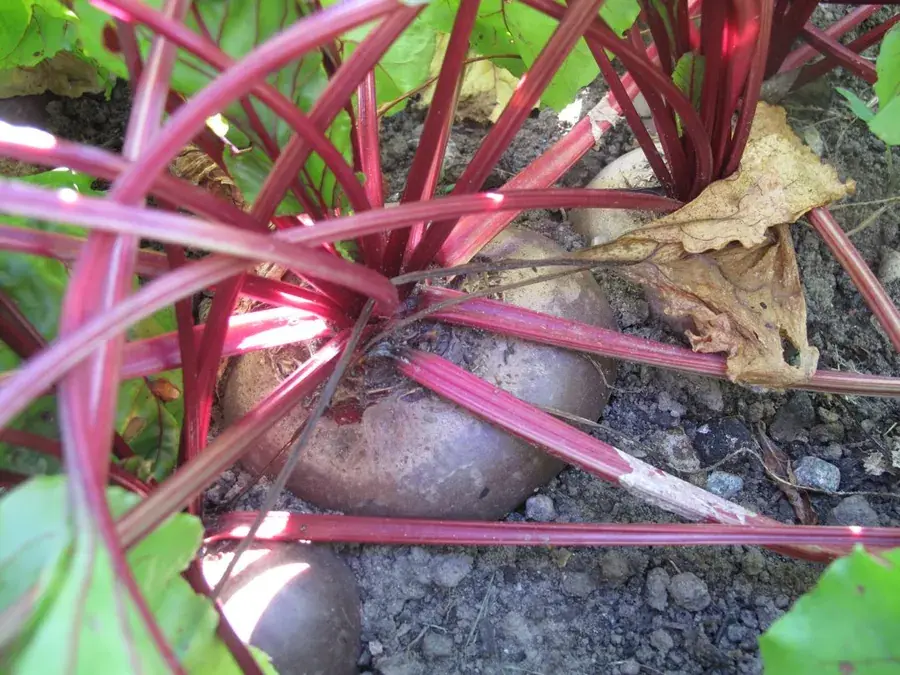 HardyRootsPicked Jul–Oct
Beets
Two crops in one bed — the roots for the cold room, the greens for tonight.
Pickling · Pressure · FreezingPick, store, put up →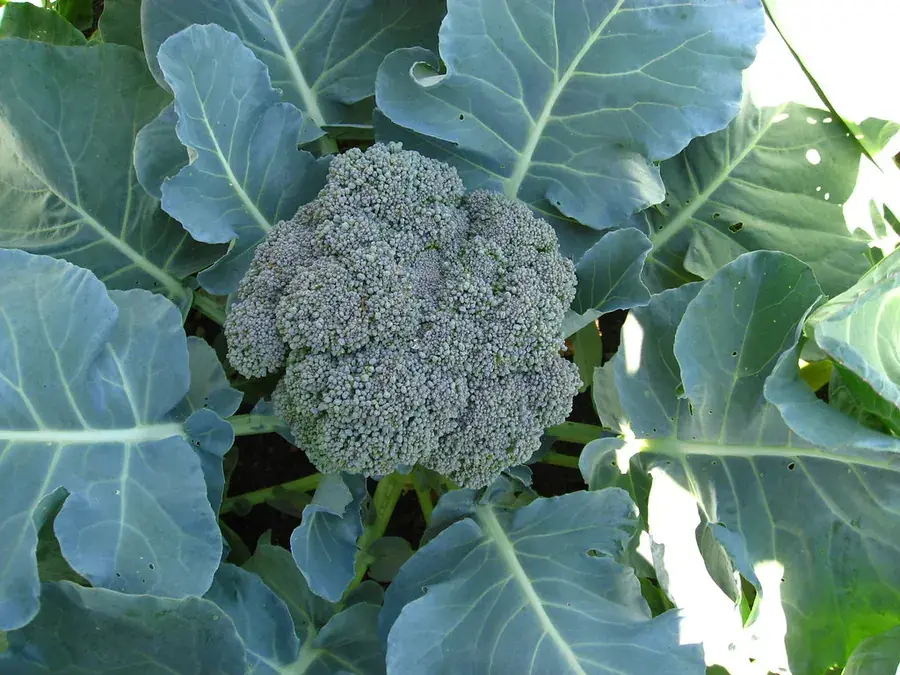 HardyCabbages and kinPicked Jul–Oct
Broccoli
One big head, then weeks of side shoots — if you cut it before the buds turn yellow.
FreezingPick, store, put up →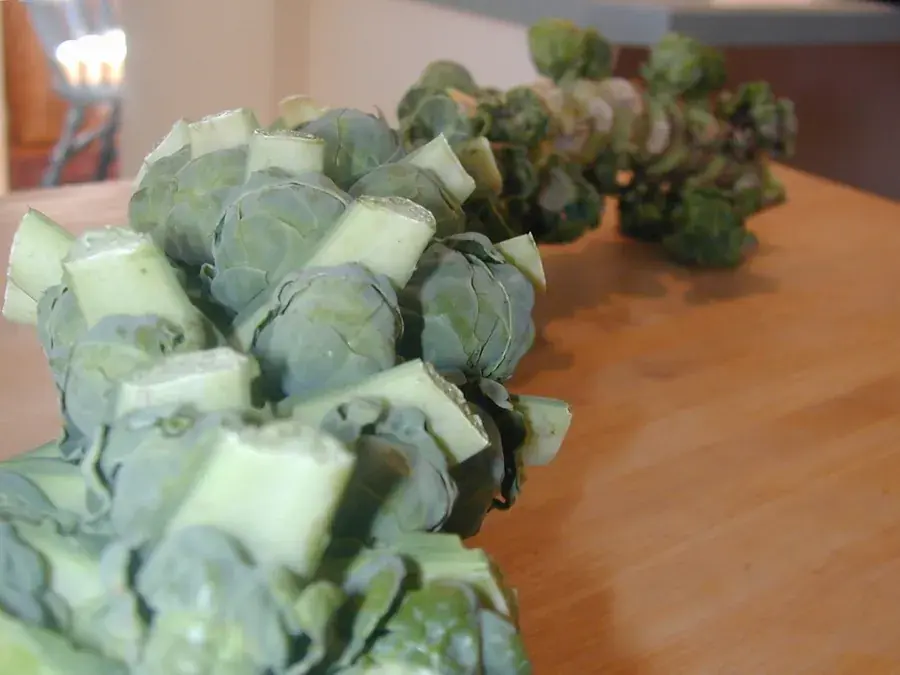 Very hardyCabbages and kinPicked Sep–Dec
Brussels sprouts
Not worth picking until it has frozen a few times — then the sweetest thing left standing in November.
Cold storage · Freezing · PicklingPick, store, put up →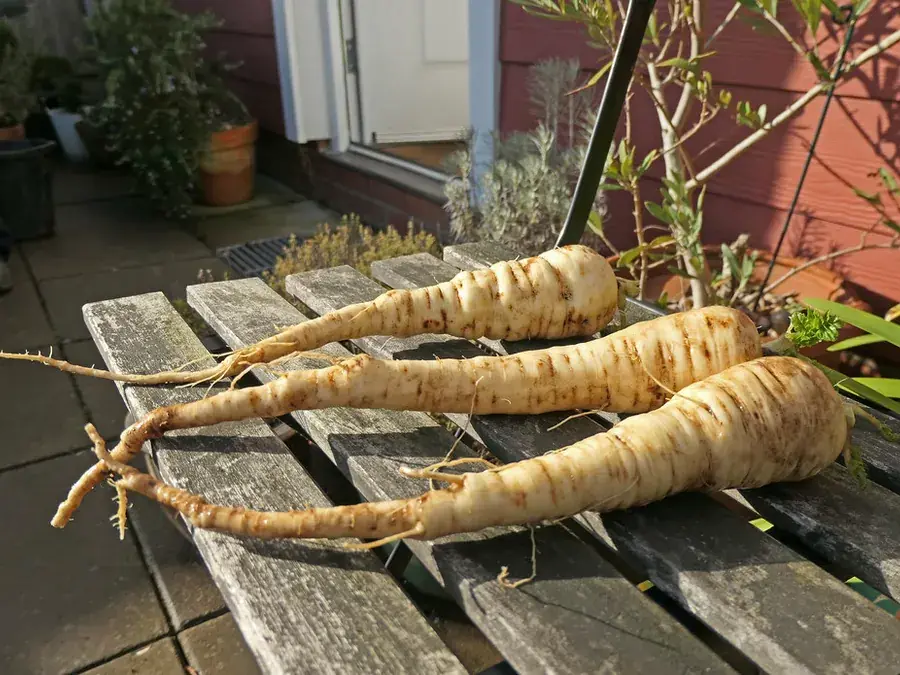 Very hardyRootsPicked Mar–Nov
Parsnips
The one root that wants a hard frost before it is worth eating — and the last crop you can dig in spring.
Cold storage · FreezingPick, store, put up →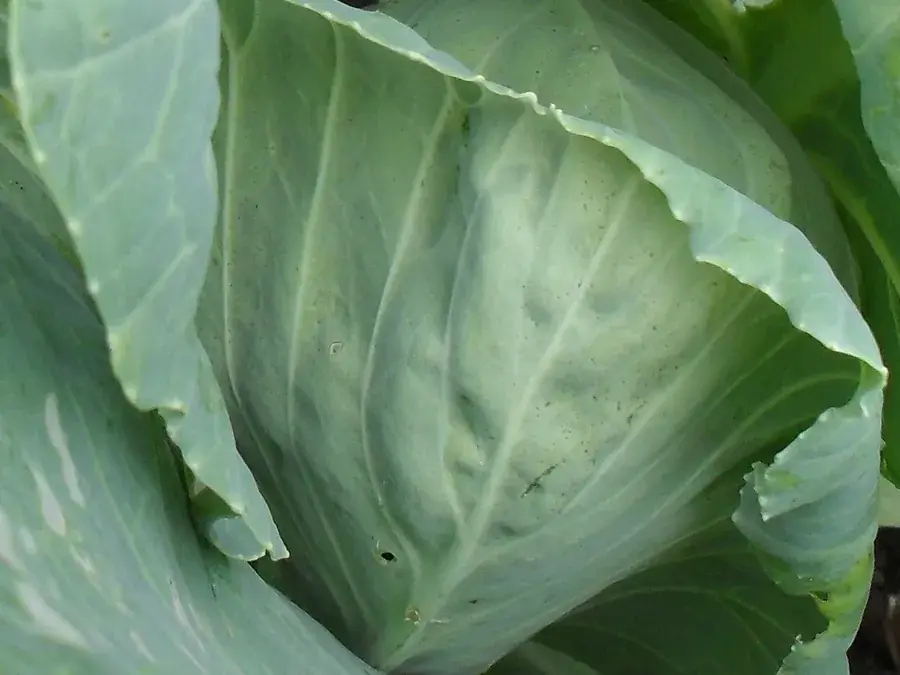 HardyCabbages and kinPicked Jul–Nov
Cabbage
The head that keeps all winter in a cold room — and turns into sauerkraut when it will not.
Cold storage · Fermenting · FreezingPick, store, put up →
Put it up this week
Jars, freezer and cold room for what’s coming in
Tested recipes, with the processing times and the safety lines that matter. A child can wash, snap, pack and label.
- Water-bath canningtomato
Crushed tomatoes, water-bath canned
The plainest, most useful jar in the pantry: tomatoes and nothing else, ready for any sauce in February.
About 7 × 1 L (quart) jars from 10 kg (22 lb) of tomatoes; 6.4 kg (14 lb) fills 9 × 500 ml (pint) jars · 1½ hours active
The recipe → - Picklingbeet
Pickled beets
Sweet-sour beet slices with cinnamon and clove — the pickle that makes a winter plate look like something.
About 8 × 500 ml (pint) jars · 1¼ hours active
The recipe → - Picklinghot pepper
Home-style pickled jalapeños
Taqueria-style jalapeño strips with carrot and onion in a plain vinegar brine — the tested, lime-free way to put up a hot-pepper glut.
About 6 × 500 ml (pint) jars · 1 hour active
The recipe → - Picklingcarrot
Pickled carrots
Sweet-sour carrot coins with mustard and celery seed — a bright lunchbox pickle from the roots that will not all fit in the cold room.
About 4 × 500 ml (pint) jars · 45 minutes active
The recipe → - Water-bath canningapple
Applesauce, water-bath canned
Sound apples — seconds are fine once the bruises are cut away — into the easiest jar of the year; no added acid needed, and sugar optional.
About 7 × 1 L (quart) jars from 9.5 kg (21 lb) of apples; 6.1 kg (13½ lb) fills 9 × 500 ml (pint) jars · 1¼ hours active
The recipe → - Pressure canningpotato
Potatoes, cubed and pressure canned
Hot-packed cubes that go straight from jar to frying pan: the fastest home-fries you will ever make, from the potatoes that would not keep.
About 9 × 500 ml (pint) jars from 6 kg (13 lb) of potatoes, or 7 × 1 L (quart) jars from 9 kg (20 lb) · 1¼ hours active
The recipe →
The exception to “nothing to plant”
The last things to plant this year
Garlic
Cloves go in four to six weeks before the ground freezes, pointy end up, 5 cm deep, under a thick mulch of leaves. The one crop that is planted now and picked in July.
How to plant and store garlic →Spring bulbs
Tulips, daffodils, alliums and crocus want six weeks of cold before the ground locks. Plant them three times their height deep.
A cover crop
Winter rye or oats on any bed you have cleared: it holds the soil through the thaw and turns in as green manure in April. Oats winter-kill and are easier to deal with.
Writing your field guide — reading the forecast, the moon and the map…
In the garden now · October
Who else is working the garden
The insects and soil life out near Manchester, UK in October. Most of them are on your side — learn the few that aren't before you reach for anything.
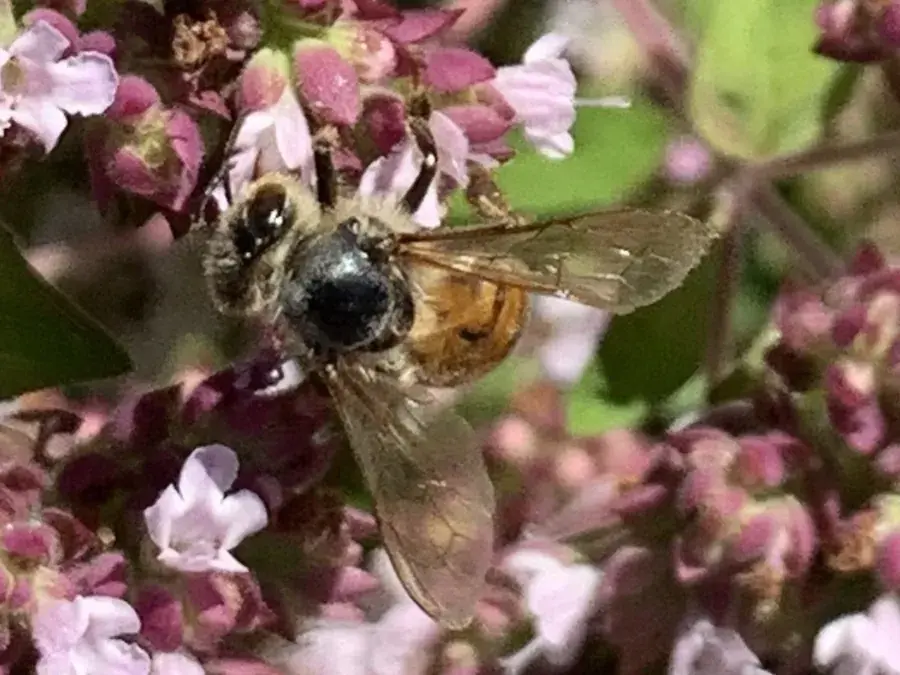 PollinatorMar–Oct
Honey bee
Apis mellifera
Golden-brown, banded, furry thorax, and pollen packed onto the hind legs in visible baskets.
What it does in the garden →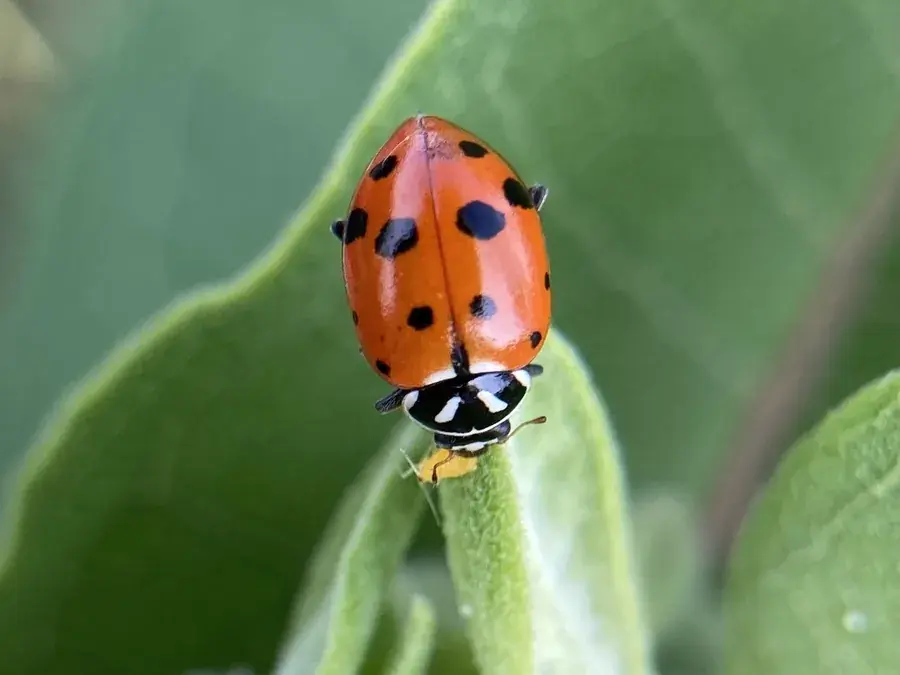 BeneficialApr–Oct
Lady beetle
Coccinellidae
The adult everyone knows; the larva is the useful one — a spiky, alligator-shaped grey-and-orange creature that looks like a pest.
What it does in the garden →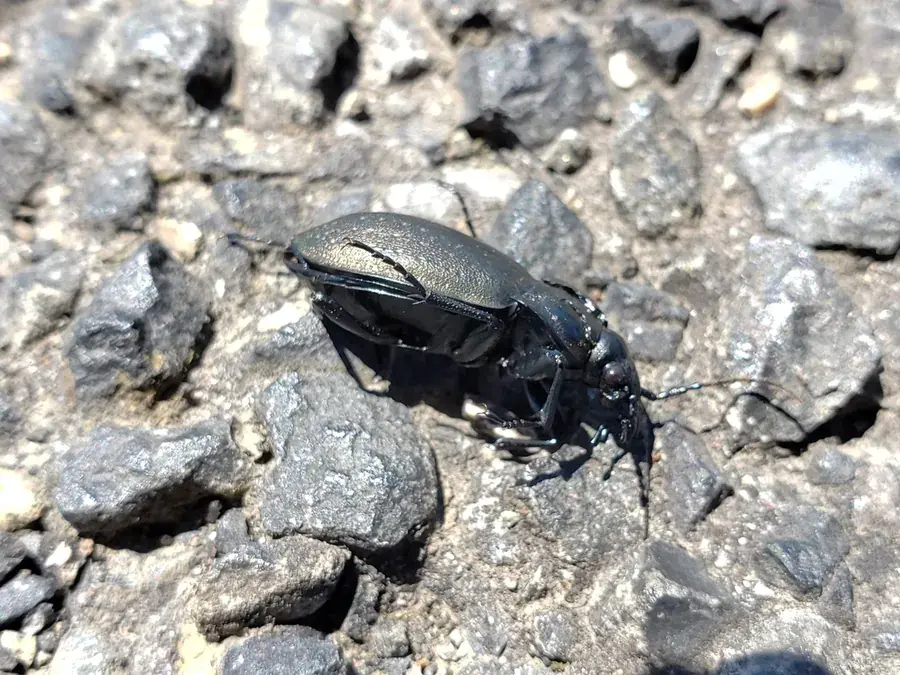 BeneficialApr–Oct
Ground beetle
Carabidae
Shiny black or bronze, fast-running, with grooved wing covers and long legs.
What it does in the garden →Photo: Gavin Slater · CC BY 4.0
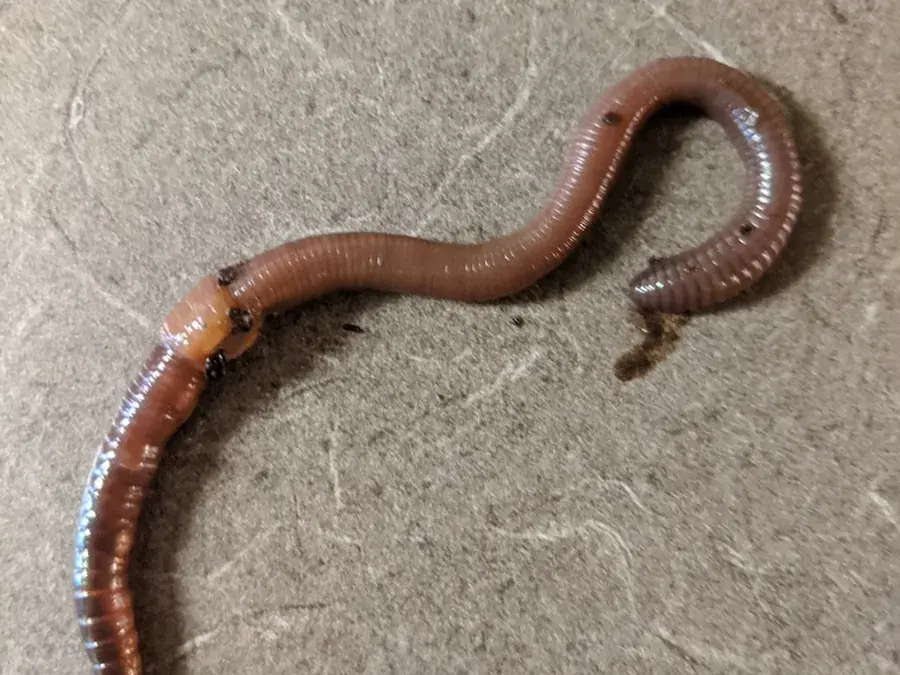 Soil lifeMar–Jun, Sep–Nov
Earthworm
Lumbricus terrestris
Familiar; look for the saddle-like clitellum a third of the way down a mature worm.
What it does in the garden →Photo: José Garrido · CC BY 4.0
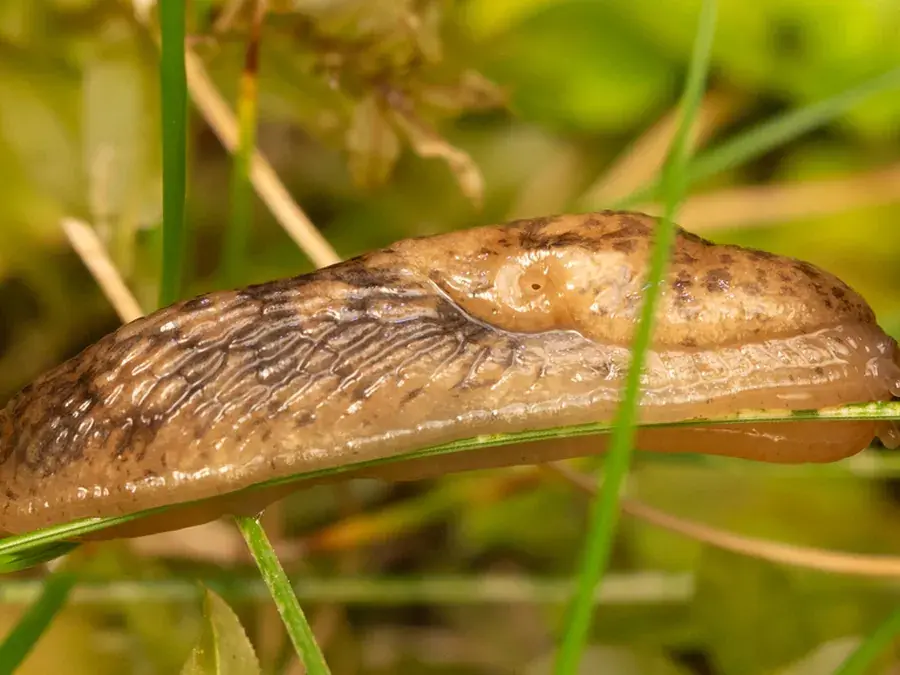 PestApr–Jun, Sep–Oct
Slugs
Gastropoda
The silvery slime trail and ragged holes in the middle of leaves, not at the edges.
What it does in the garden →Photo: Casey H. Richart · CC BY 4.0
Photographs are research-grade observations from iNaturalist, each credited to its photographer. Ranges and timing are typical, not guaranteed — 87 species are covered across North America, Europe and Africa.
Behind this week's gardening
The day, the ground and the sky over Manchester
The kindest day for transplanting there is, and the safest for sowing.
- Ground beetlebest now — Running the soil surface after dark, taking slugs, cutworms and larvae. One of the best predators a garden has.
- Earthwormbest now — At the surface after dark and in wet weather, pulling leaves down into the burrow.
Overhead · Manchester, UK
The sky over the garden
The two clocks nothing on the ground can argue with: the length of the day, and the phase of the moon.
The sun
11h 14m of light
Sunrise
07:19
Solar noon
12:57
Sunset
18:34
A month from now the day will be 2h 01m shorter. Enough light for steady growth.
The moon
Waning Crescent
15% lit · waning · day 26 of 29.5
- Next full
- Oct 26 · 20d
- Hunter's Moon
- Next new
- Oct 10 · 4d
- Darkest nights
Planting by the moon: Last quarter to new: a resting phase — weed, prune, harvest, turn compost and prepare beds.
Anglers' solunar rating: good — the tradition says fish feed hardest in the days either side of new and full, and around moonrise and moonset. The evidence is mixed; light and weather matter more.
Turn of the season
Winter solstice
Dec 21 · 76 days away
About 30 days to the average first frost (Nov 5).
Next moons
- New MoonOct 10
- First QuarterOct 18
- Full Moon · Hunter's MoonOct 26
- Last QuarterNov 1
Right now · Manchester, UK
Forces at work
Nothing here is a guess. Each of these is read from this week's forecast and this location's climate record, and each one is pushing the season one way or the other.
- Worth watching
Frost
30 days
Average first fall frost is around Nov 5. Nothing you sow now will finish unless it beats that.
The hard edge of the growing season. Ice inside a leaf ruptures its cells — one night ends a tomato and sweetens a parsnip.
- Working for you
Soil warmth
15.3 °C
Good for brassicas, beets, chard, carrots and potatoes. Wait on the heat crops.
Seeds read soil temperature, not the calendar. Six centimetres down is where the decision gets made.
- Quiet right now
Day length
11h 14m
Losing about 4 minutes of daylight a day.
The one thing weather can't change. Plants count photoperiod to decide when to bolt, bulb, flower and go dormant.
- Worth watching
Heat units
18 GDD / 7 days
Slow accumulation — cool-season crops are happy, corn and melons are waiting.
Growing degree days: the running total of warmth above 10 °C. Crops and insects both run on this clock rather than on dates.
- Working for you
Rain
39.6 mm / 7 days
39.6 mm across 6 days. About right; leave the hose coiled.
Sets the pace for everything: germination, fungal fruiting, slug nights, and how a river runs for the next three days.
- Worth watching
Pollination
3 of 7 flying days
3 decent flying days coming. Bees work between about 13 °C and 38 °C, in wind under 30 km/h, and not in rain.
A third of what you eat needs an insect to have visited first. Bees fly on temperature and wind, not on your schedule.
Read and watch with your kids
All the books and videos for Manchester →Stories about where you live

The gardening note for Manchester, every week
One email, Sunday evening. Unsubscribe anytime.