West African Coast & Guinean Forest · Rainy season · 7 October 2026
Gardening in Port Harcourt
Hot and wet nearly all year. Growth never stops — and neither do pests, disease and the rain that washes nutrients out of the soil. Mounds, mulch and shade are the gardener's tools.
- Tropical humid climate
- 2,358 mm of rain a year
- Sea coast
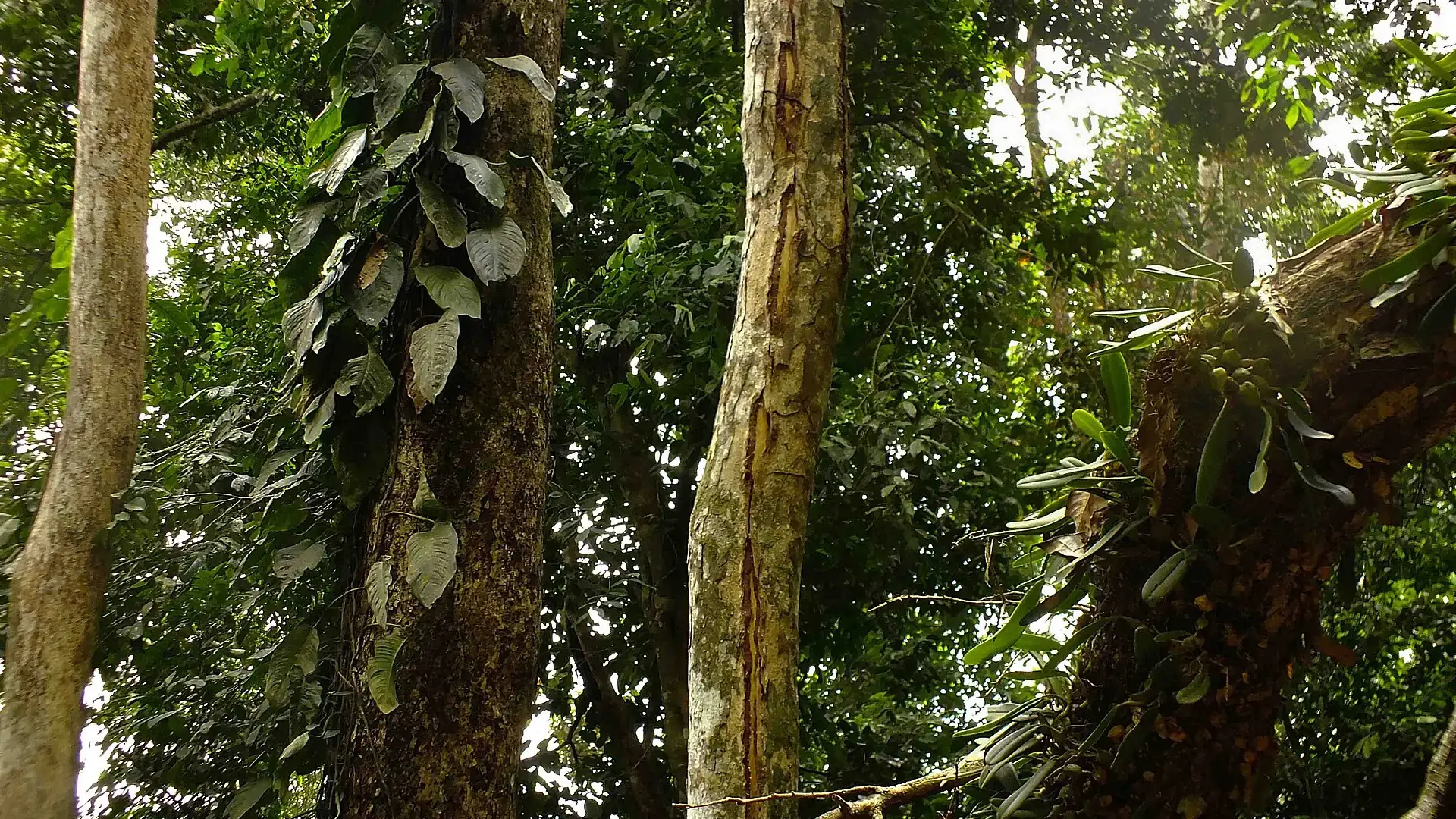
Photograph: Minham0910 · CC BY-SA 3.0
Now
26°C · Partly cloudy
Today
29° / 24°
Soil 6 cm
27°C
Rain, average month
309 mm in October
Weather read at 7:25 p.m..
Tropical humid climate · October
Gardening in Port Harcourt runs on heat and rain
Hot and wet nearly all year. Growth never stops — and neither do pests, disease and the rain that washes nutrients out of the soil. Mounds, mulch and shade are the gardener's tools.
October closes the rainy season: get the last rain-fed sowings in, and mulch to hold the moisture into the dry months ahead.
The year in Port Harcourt
Tropical humid · Köppen Am · rain in summer, 2,358 mm a year
This month
What to sow and plant in Port Harcourt in October
 From seedlingsFruiting vegetablesHarvest year-round
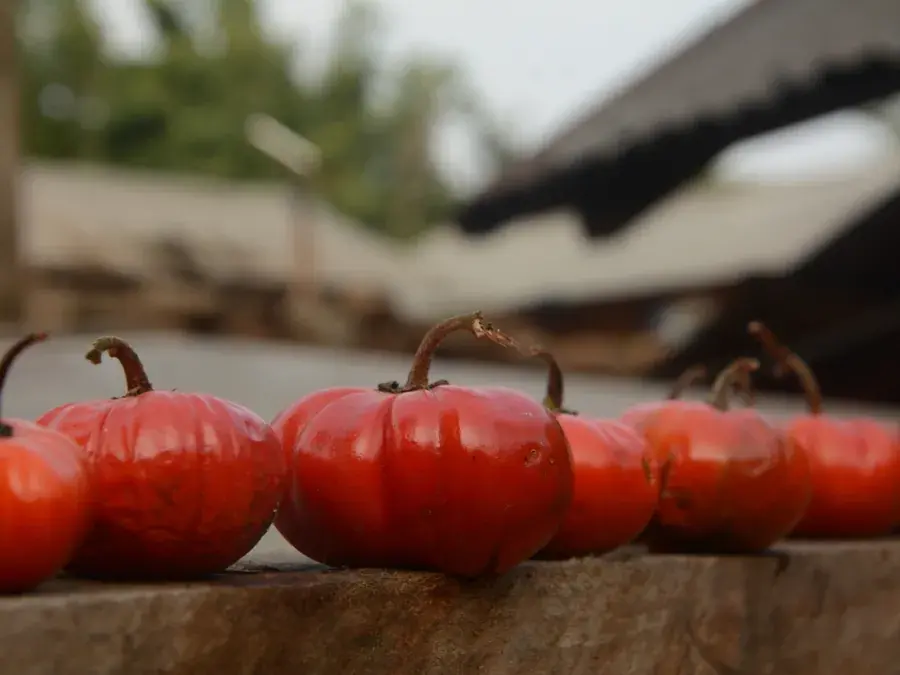
African eggplant (garden egg)
Sow now, in a seedbed or trays. The garden egg of Ghana and Nigeria — small, firm, often bitter fruit picked pale and unripe, with leaves for the pot as well.
Freezing · DryingHarvest and storage →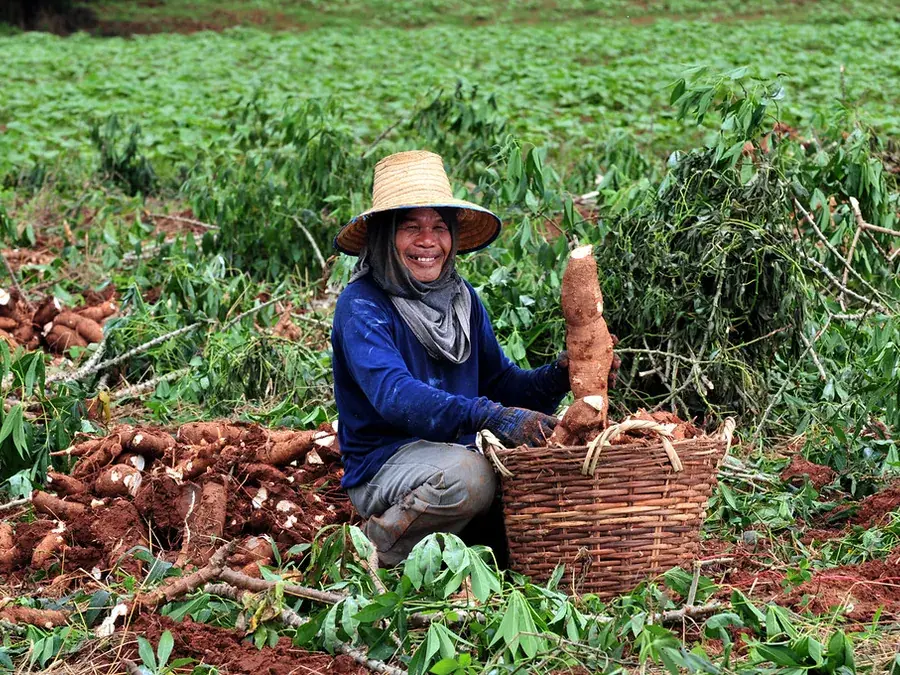 From stem cuttingsRootsHarvest year-round
Cassava
Sow now, where it is to grow. The root that feeds much of tropical Africa — generous in poor soil and drought, and never to be eaten raw.
Fermenting · DryingHarvest and storage →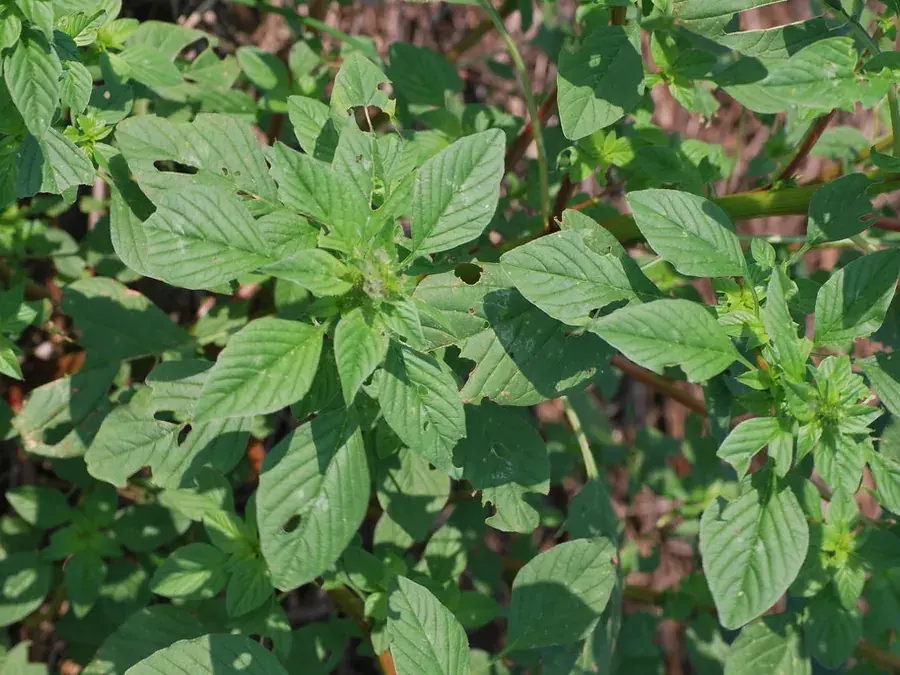 Sow directLeafy greensHarvest year-round
Leaf amaranth
Sow now, where it is to grow. Morogo, efo tete, mchicha, callaloo — the hot-weather spinach of Africa, ready to cut a month after sowing.
Freezing · Drying · PressureHarvest and storage →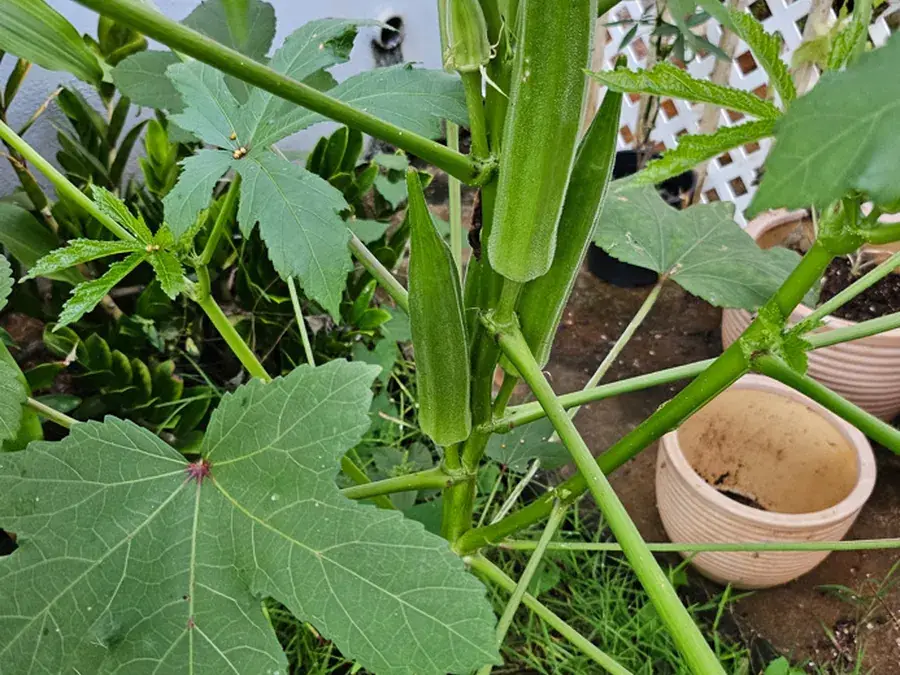 Sow directFruiting vegetablesHarvest year-round
Okra
Sow now, where it is to grow. West Africa’s gift to the soup pot — a pod to pick every second day, small, before it turns to wood.
Freezing · Pickling · DryingHarvest and storage →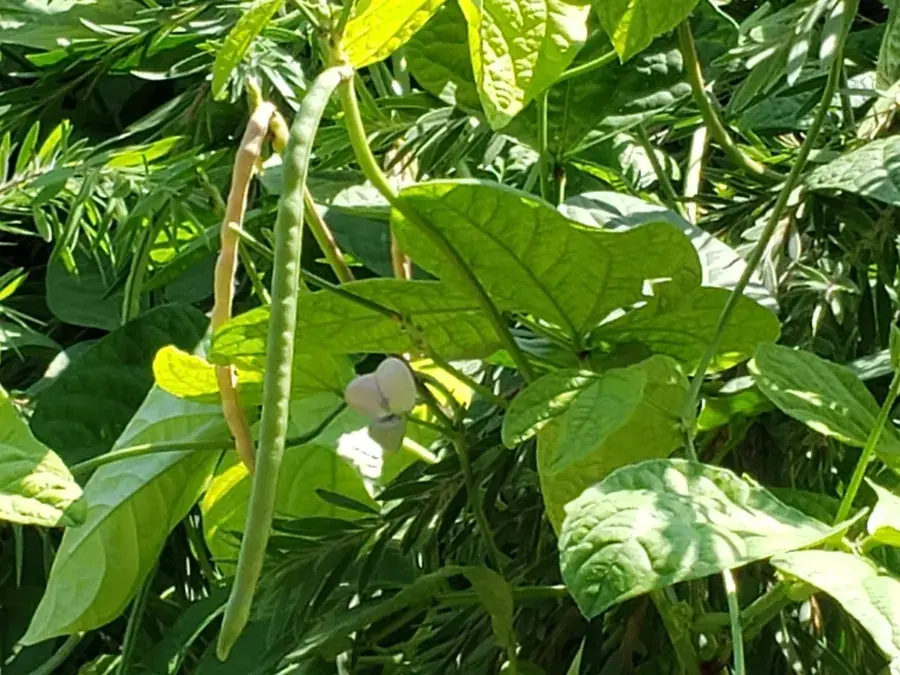 Sow directPeas and beansHarvest year-round
Cowpeas
Sow now, where it is to grow. Leaves at four weeks, green pods at eight, dry black-eyed peas at twelve — the Sahel’s pulse, and a crop that feeds the soil.
Drying · Freezing · PressureHarvest and storage →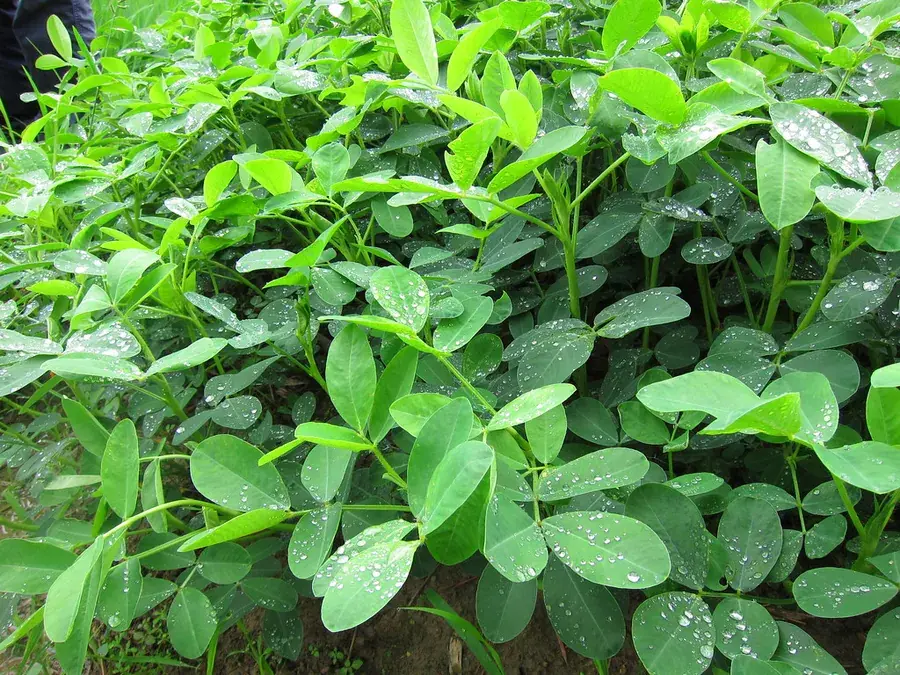 Sow directPeas and beansHarvest year-round
Groundnuts (peanuts)
Sow now, where it is to grow. Flowers above ground, nuts below — a hot-season legume that wants loose sandy soil and a dry spell to finish.
Drying · Curing · PressureHarvest and storage →
Also sow now: basil, cucumbers, sweet peppers, dry beans, courgettes (zucchini), green beans and tomatoes.
With regular watering: chillies, taro (cocoyam, madumbe), sweet potatoes, aubergines (eggplant, brinjal), watermelons, sweet corn, winter squash and pumpkins — they would grow into the dry months.
Start in trays: african eggplant (garden egg), chillies, aubergines (eggplant, brinjal), basil, sweet peppers and tomatoes, to plant out in a month or two.
Coming in now: african eggplant (garden egg), cassava, chillies, leaf amaranth, okra, sweet potatoes, aubergines (eggplant, brinjal) and cowpeas.
Dry months: December–February. Plan the thirsty crops around them, or around the tap.
The sowing calendar for Port Harcourt
Worked out from ten years of local temperature and rainfall
Sow or plant out Possible with watering — it grows into the dry season Start in trays Harvest
Perennials and fruit that do well here: Bananas and plantains, Papaya, Lemons and oranges, Mangoes, Moringa (drumstick tree), Passion fruit, Thyme, oregano, sage and rosemary, Avocados, Strawberries.
A crop is marked for a month when, sown then, it would spend its growing weeks within its own temperature limits and clear of frost. Microclimates move this by weeks: a sheltered, sunny wall is a month ahead of an open, windy plot.
Loading this week's guide: forecast, moon and local records…
Garden fauna · October
Garden insects and soil life active this month
Pollinators, predators, soil organisms and pests active near Port Harcourt, Nigeria in October. Most are beneficial; identify the few pests before treating anything.
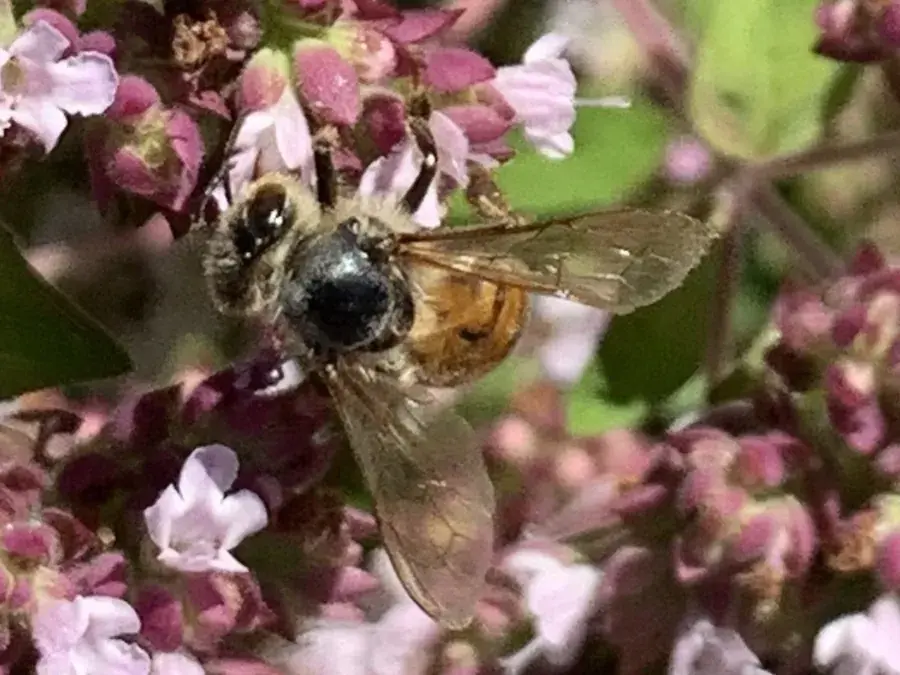 PollinatorMar–Oct
Honey bee
Apis mellifera
Golden-brown, banded, furry thorax, and pollen packed onto the hind legs in visible baskets.
Role in the garden →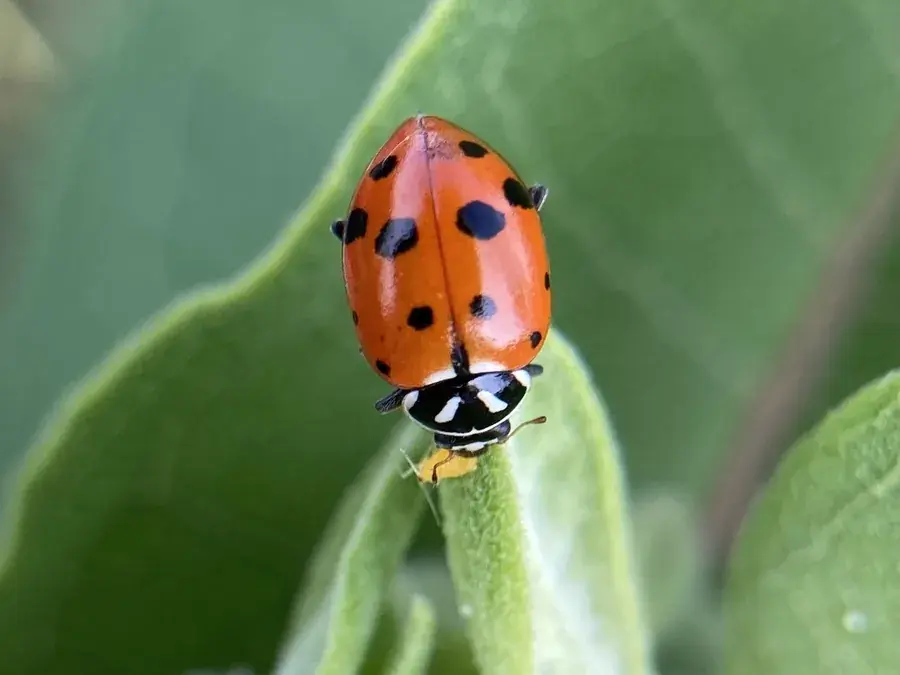 BeneficialApr–Oct
Lady beetle
Coccinellidae
The adult everyone knows; the larva is the useful one — a spiky, alligator-shaped grey-and-orange creature that looks like a pest.
Role in the garden →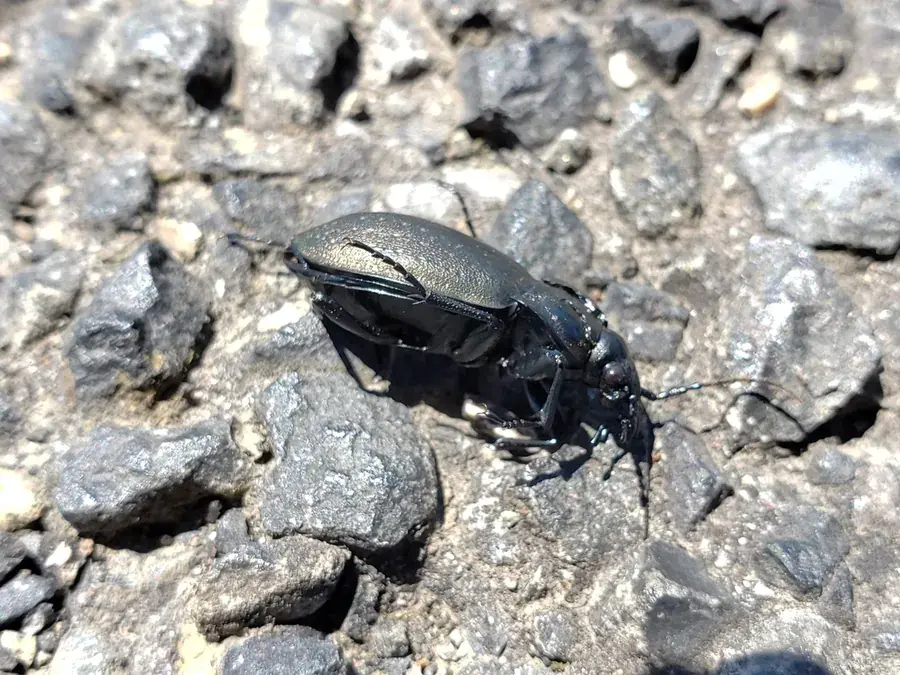 BeneficialApr–Oct
Ground beetle
Carabidae
Shiny black or bronze, fast-running, with grooved wing covers and long legs.
Role in the garden →Photo: Gavin Slater · CC BY 4.0
 Soil lifeMar–Jun, Sep–Nov
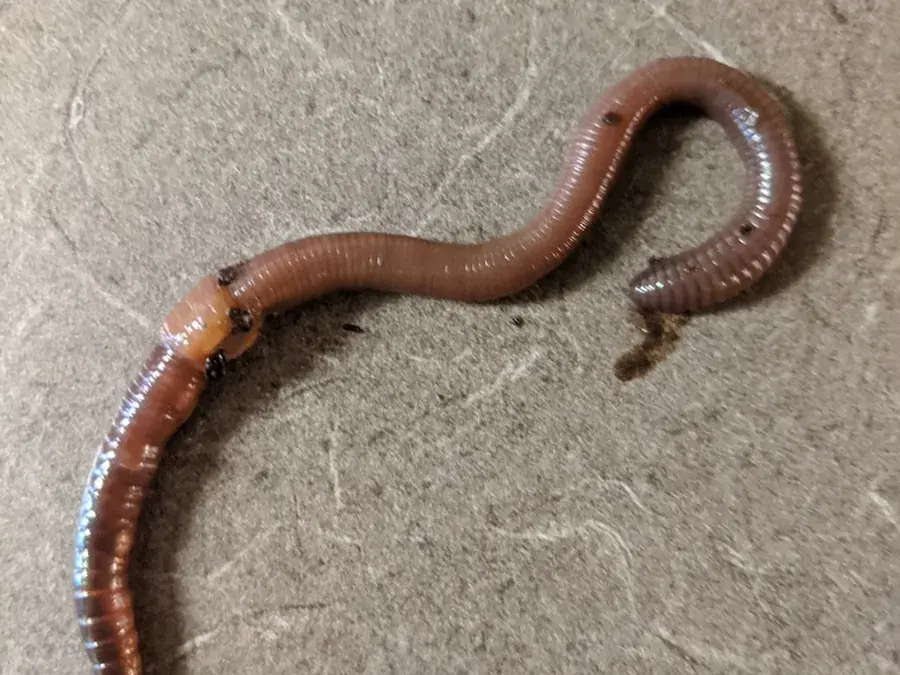
Earthworm
Lumbricus terrestris
Familiar; look for the saddle-like clitellum a third of the way down a mature worm.
Role in the garden →Photo: José Garrido · CC BY 4.0
 PestApr–Jun, Sep–Oct
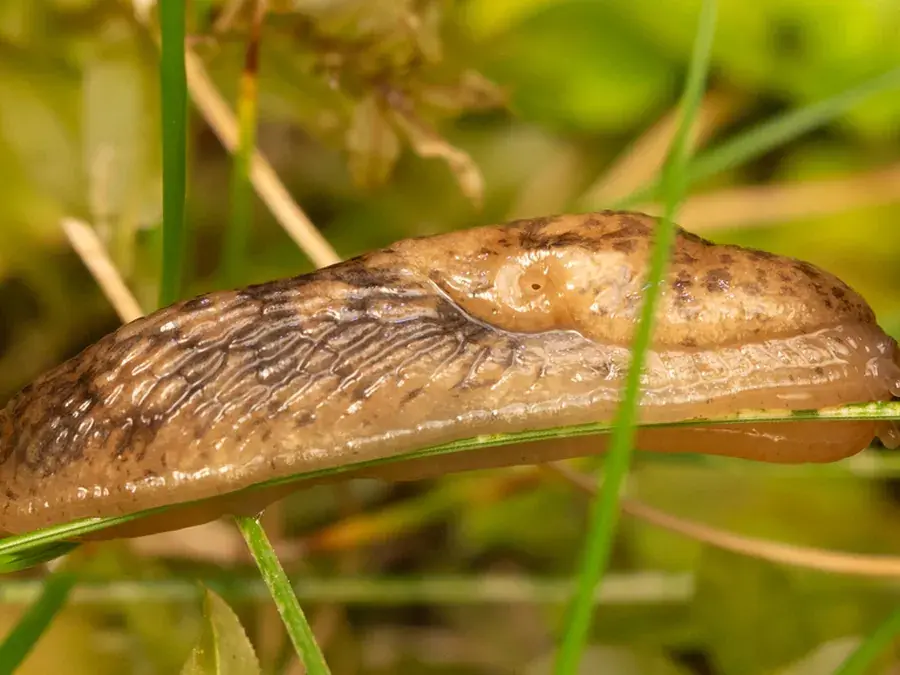
Slugs
Gastropoda
The silvery slime trail and ragged holes in the middle of leaves, not at the edges.
Role in the garden →Photo: Casey H. Richart · CC BY 4.0
Photographs are research-grade observations from iNaturalist, each credited to its photographer. Ranges and timing are typical, not guaranteed — 115 species are covered across North America, Europe and Africa.
Conditions
The day, the ground and the sky over Port Harcourt
Slugs feed through the day as well as at night, and blight spreads in warm, wet air.
- Ground beetlepeak activity — Running the soil surface after dark, taking slugs, cutworms and larvae. One of the best predators a garden has.
- Earthwormpeak activity — At the surface after dark and in wet weather, pulling leaves down into the burrow.
Sky · Port Harcourt, Nigeria
Sun and moon
Day length and the moon, for Port Harcourt.
Sun
12h 03m of daylight
Sunrise
06:18
Solar noon
12:19
Sunset
18:21
A month from now the day will be 0h 07m shorter. Day length is sufficient for steady growth.
Moon
Waning Crescent
9% lit · waning · day 27 of 29.5
- Next full
- Oct 26 · 19d
- Hunter's Moon
- Next new
- Oct 10 · 3d
- No moonlight
Lunar planting (traditional): Last quarter to new: a resting phase — weed, prune, harvest, turn compost and prepare beds.
Solunar rating (traditional): good. The tradition holds that fish feed most in the days around new and full moon, and near moonrise and moonset. The evidence is mixed; light and weather have larger effects.
Next solstice or equinox
Winter solstice
Dec 21 · 75 days away
Frost is rare here: most years have none, or one or two nights at most.
Coming phases
- New MoonOct 10
- First QuarterOct 18
- Full Moon · Hunter's MoonOct 26
- Last QuarterNov 1
This week · Port Harcourt, Nigeria
Seasonal conditions
Each reading is taken from this week's forecast and the local climate record, with what it means for the season.
- Inactive
Frost
366 frost-free days
Frost is rare here. Coldest night in the next week: 23.6 °C.
Frost sets the limits of the growing season. Ice forming inside leaf tissue ruptures the cells: one night kills a tomato plant and sweetens a parsnip.
- Favourable
Soil temperature
27.4 °C
Warm enough for beans, maize, squash, cucumber and transplanted tomato and pepper. Root growth is rapid at this temperature.
Germination is triggered by soil temperature, not by date. The reading is taken at 6 cm, the depth of most seed.
- Inactive
Day length
12h 03m
Losing about under a minute of daylight a day.
Day length is unaffected by weather. Plants respond to photoperiod when they bolt, form bulbs, flower and go dormant.
- Favourable
Heat units
118 GDD / 7 days
Steady heat. Tomatoes set fruit, maize grows quickly, and insect pests complete generations on schedule.
Growing degree days: the running total of warmth above 10 °C. Crop and insect development tracks this total more closely than the date.
- Monitor
Rain
65.5 mm / 7 days
65.5 mm in a week is heavy. Expect blight on tomatoes and potatoes, slug activity at night, and high, turbid rivers.
Rainfall governs germination, fungal fruiting and slug activity, and sets river levels for the following days.
- Monitor
Pollination
1 of 7 flying days
1 suitable flying day ahead. Bees forage between about 13 °C and 38 °C, in wind under 30 km/h, and not in rain.
About a third of food crops depend on insect pollination. Bee activity is governed by temperature, wind and rain.
The gardening note for Port Harcourt, every week
One email, Sunday evening. Unsubscribe anytime.